 Burlington
 What LP SmartSide Actually Is
LP SmartSide is an engineered wood siding product made from strand-based wood substrate (similar in concept to OSB) that's treated with a zinc borate solution and coated with a resin-saturated overlay, then finished with primer. It comes in lap siding, panel siding, and trim configurations, and it's a legitimate, widely used product across the country. We're not here to tell you it's a bad product. We're here to explain why, after years of installing and repairing siding in Skagit County, we made the call to stop installing it and standardize on James Hardie fiber cement instead.
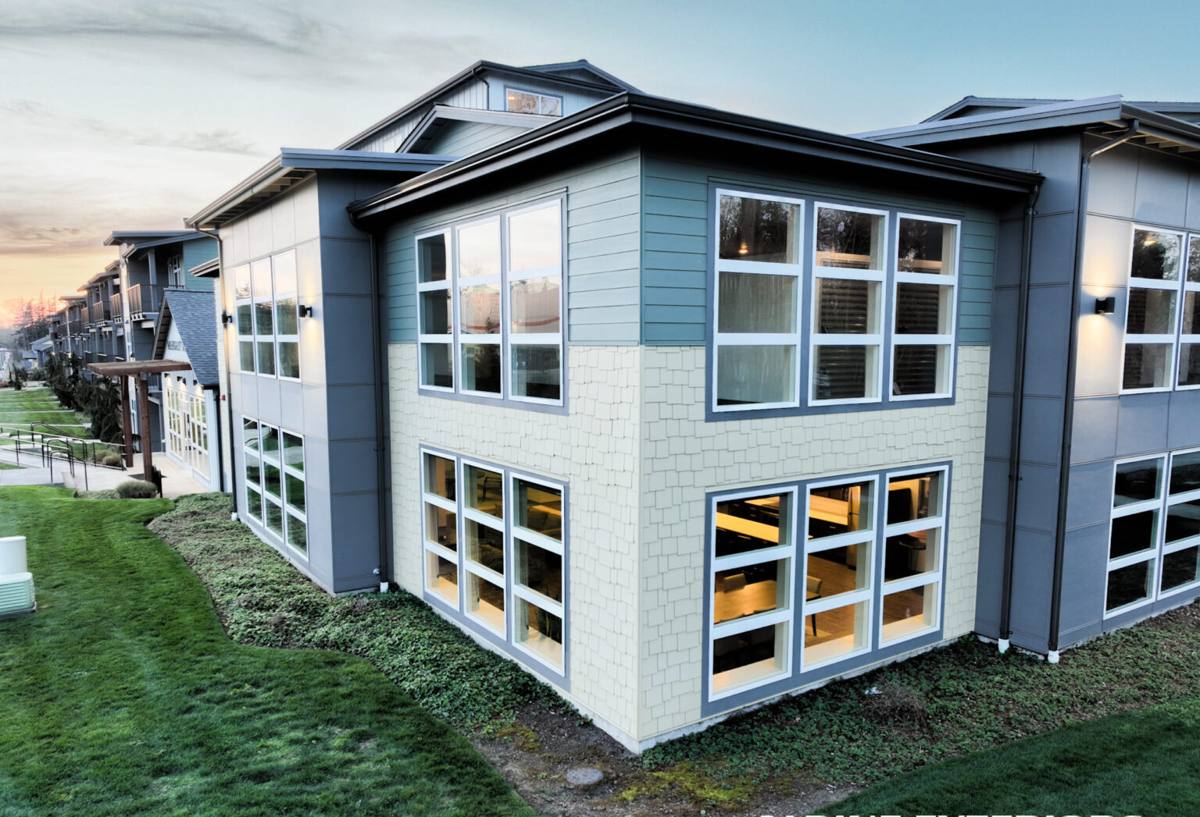
What LP SmartSide Gets Right
Credit where it's due. LP SmartSide is lighter and easier to handle than fiber cement, which can speed up installation labor. It holds a screw or nail well, it's less brittle to cut on site, and the SmartGuard treatment process does a genuinely better job resisting fungal decay and termites than the old-school untreated wood or hardboard siding products of decades past. For a dry climate with wide roof overhangs and minimal wind-driven rain, it can perform reasonably well over its service life when installed and maintained correctly.
The problem is that "installed and maintained correctly" is doing a lot of work in that sentence, and Burlington doesn't offer a lot of forgiveness on either front.
Why Wood-Based Substrate Struggles Here
At its core, LP SmartSide is still a wood product. The strands are engineered and treated, but the substrate can still absorb moisture at cut ends, panel joints, fastener penetrations, and anywhere the factory coating gets breached. Once moisture gets into the substrate, it can swell, and swollen substrate doesn't shrink back to its original dimension when it dries. Repeated wet-dry cycles are what eventually cause the telltale signs people associate with engineered wood siding problems: edge swelling, bubbling paint, soft spots at the bottom of boards, and delamination at butt joints.
Skagit County sits right where Puget Sound weather patterns collide with marine air pushing in off the water. Burlington homes deal with salt-laden air, long stretches of driving rain in the fall and winter, and a moss season that can run from October through May in shaded, north-facing exposures. That's a lot of sustained moisture exposure and a lot of cycles between wet and dry. Wood-based siding products are more sensitive to that cycle than a cement-based product, and that sensitivity shows up as maintenance burden, not immediately, but over five, ten, fifteen years.
Where Failures Typically Start
- Cut ends and factory edges that weren't fully sealed with the recommended edge sealer during installation
- Butt joints and panel seams where caulking has shrunk, cracked, or been skipped
- Fastener heads that weren't set correctly, leaving a path for water to track into the substrate
- Bottom courses close to grade, decks, or patios where splash-back keeps the material wet longer
- Areas with poor sun exposure where moss and algae hold moisture against the surface for extended periods
The Maintenance Commitment Is Real
Manufacturer installation instructions for engineered wood siding are specific about caulking, priming cut edges in the field, and repainting on a schedule, not because the manufacturer is being cautious for no reason, but because the product genuinely depends on that maintenance to perform as designed. Skip a re-caulk cycle or let a coat of paint go a few years past its recommended repaint window in a climate like ours, and you're inviting the exact moisture intrusion the coating system is supposed to prevent.
That's a fair trade-off for some homeowners in some climates. It's a harder sell in Burlington, where driving rain off the Sound and a long moss season mean the exterior of a house is under near-constant moisture pressure for a big chunk of the year. We'd rather not sell a product, then have to explain years later why the maintenance schedule matters more here than the brochure implies.
Installation Sensitivity Is the Bigger Issue
Here's the part that doesn't get talked about enough: engineered wood siding is far less forgiving of installation shortcuts than fiber cement. Every cut end needs to be sealed in the field. Every joint needs correct flashing and the right caulk, applied correctly, in the right conditions. Fastener placement and set depth matter. Ground clearance and flashing details at windows, doors, and deck ledgers matter even more, because any water that gets behind the siding has nowhere good to go once it's inside a wood-based panel.
Fiber cement is far more tolerant of the small installation variances that happen on every real job site, because the substrate itself doesn't absorb and swell the way wood-based materials do. When we're standing behind a siding installation for the life of a warranty, we want a product where a missed detail is a cosmetic issue, not a moisture pathway.
LP SmartSide vs. James Hardie: A Straight Comparison
| Factor | LP SmartSide (engineered wood) | James Hardie (fiber cement) |
|---|---|---|
| Core material | Wood strand substrate, resin-treated | Cement, sand, and cellulose fiber |
| Moisture behavior | Can absorb and swell at breached edges/joints | Dimensionally stable; does not swell or rot |
| Combustibility | Combustible (wood-based) | Non-combustible |
| Finish | Factory-primed; field paint required | ColorPlus factory finish, baked-on, fade-resistant |
| Maintenance need | Regular caulk/paint upkeep on a defined schedule | Periodic cleaning; repaint interval much longer |
| Insect/pest exposure | Treated, but still wood-based | Not a food source for insects |
| Typical warranty | Manufacturer warranty, often prorated | Long-term, non-prorated when installed to spec |
What Ongoing Upkeep Looks Like
To be fair to homeowners weighing this decision, here's roughly what the maintenance cadence looks like for each product over a normal ownership period in a climate like ours. This isn't a guarantee for either product — actual intervals depend on sun exposure, elevation, and how exposed a given wall is to wind-driven rain — but it's representative of the pattern.
| Task | LP SmartSide | James Hardie |
|---|---|---|
| Repaint / recoat | Every 5-8 years depending on exposure | ColorPlus finish typically outlasts standard paint cycles significantly |
| Caulk inspection/renewal | Annual inspection recommended; renewal every few years | Standard joint maintenance, less frequency-sensitive |
| Moss/algae cleaning | Regular cleaning to limit sustained moisture contact | Regular cleaning recommended; surface is less moisture-sensitive |
| Edge/cut-end sealing | Critical at every field cut | Not a moisture-critical step in the same way |
Why We Standardized on James Hardie
We install exclusively James Hardie fiber cement siding, and that's a deliberate standard, not a sales pitch we default to because it's what we know. Hardie's HZ5 product line is engineered specifically for climates with more moisture exposure, which describes most of western Washington and certainly describes Skagit County. Fiber cement doesn't provide a food source for insects, it's non-combustible, and the ColorPlus factory finish holds color and resists the kind of chalking and fading that comes from years of UV exposure and salt air without requiring a repaint on the same short cycle wood-based products often need.
When it's installed to Hardie's specifications, and we install to spec every time, the backing warranty is strong and transferable, which matters to homeowners who may sell in the next decade and want that warranty to carry forward cleanly. We'd rather stand behind one product line we trust completely in this climate than install several product lines and have a different maintenance conversation for each one.
Questions Worth Asking Any Siding Contractor
Whether you end up going with us or someone else, these are fair questions to ask before signing a contract for engineered wood, fiber cement, or any other siding product:
- What is the manufacturer's required maintenance schedule for this product, in writing?
- Who is responsible for caulking, edge-sealing, and repainting after installation — is that included, or is it on the homeowner?
- Is the warranty prorated, and does it transfer to a new owner if the home is sold?
- What ground clearance, flashing, and drainage details does this product require, and will those be documented?
- Has this crew installed this specific product in this specific climate zone before, and can they explain how our weather affects the install details?
The Skagit County Factor
None of this is a knock on engineered wood siding as a category everywhere in the country. In a drier inland climate with less wind-driven rain and shorter moss seasons, the maintenance burden is lower and the product can be a reasonable value choice. Burlington isn't that climate. Sitting near the Skagit River delta with marine air rolling in off the Sound, homes here deal with salt exposure, sustained driving rain through fall and winter, and shaded roof lines that stay damp and mossy for much of the year. Those are exactly the conditions that put the most stress on a wood-based substrate's edges, joints, and coating system.
We made the decision to install only James Hardie because we didn't want to sell a product in this specific climate that requires more vigilance from the homeowner than most people realistically keep up with over 10, 15, or 20 years of ownership. That's not a criticism of anyone who's chosen engineered wood siding — it's an explanation of our own standard and why we hold to it on every job we take on in this county.
If you're weighing siding options for a home in Burlington or elsewhere in Skagit County, we're glad to walk through what we see on real houses in this climate and explain what we'd recommend for your specific exposure and budget. Reach out for a free, no-pressure estimate — there's a form right below this article.