 Burlington
 Exterior Work Built for the Skagit Valley Climate
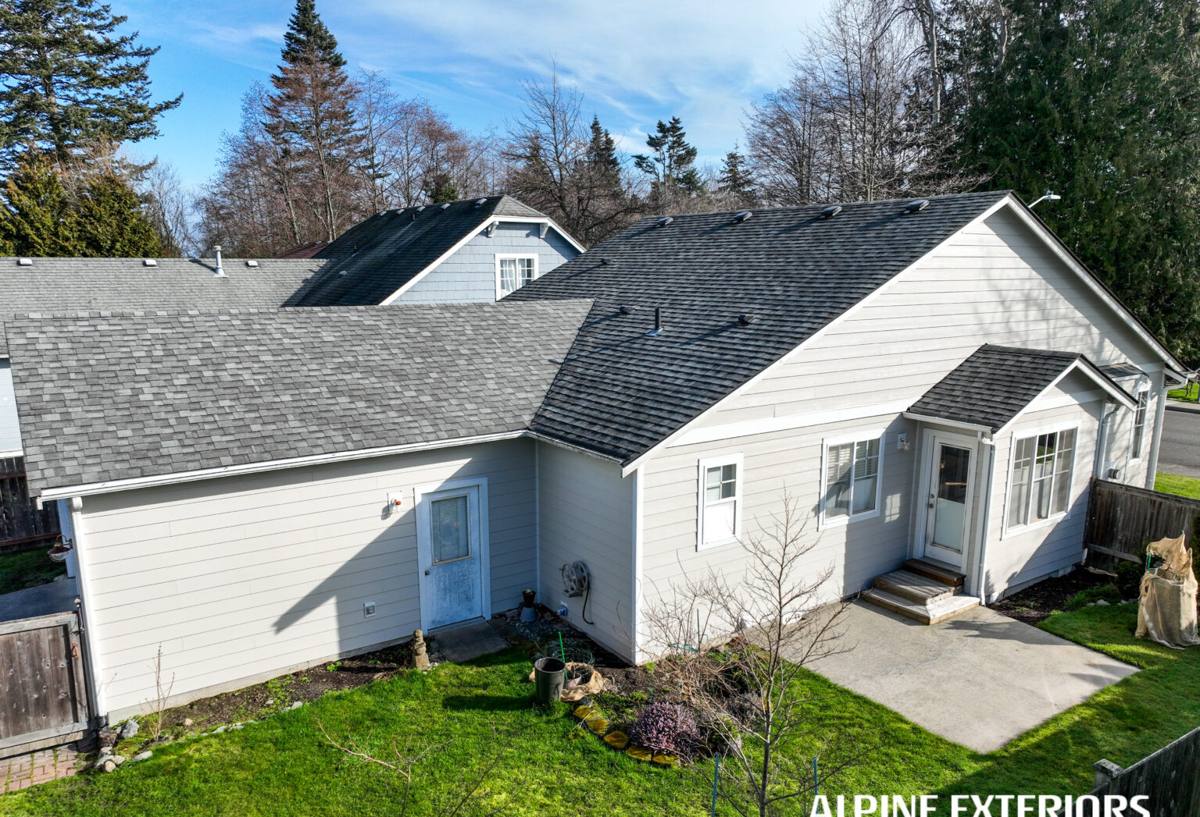
Mount Vernon sits in the heart of the Skagit Valley, where flat farmland, a wide river, and proximity to Puget Sound combine to create one of the wetter, mossier microclimates in western Washington. Homes here deal with a longer wet season than many inland communities, periodic salt-laden air moving in off the Sound, and driving, wind-blown rain that finds its way into every gap, seam, and undersized flashing detail on a house. Add in the shade from mature landscaping common in older Mount Vernon neighborhoods, and you get siding, trim, and roofing that stay damp longer after every storm.
Burlington Siding works throughout Skagit County, and Mount Vernon is one of the areas we're in regularly. That matters more than it sounds like it should — a crew that already knows which Mount Vernon neighborhoods sit low and collect standing moisture, which ones catch the brunt of southwest storms off the valley, and how the local building department handles permitting moves faster and makes fewer assumptions than an out-of-town outfit pricing the job from a satellite photo.
What the Climate Actually Does to a House
Moss, Algae, and Constant Dampness
Skagit County's moss season isn't a few weeks — it's most of the year. Anything organic-based on the exterior of a house (wood trim, cedar siding, untreated fascia) gives moss and algae something to grip onto, and once established, moss holds moisture directly against the material it's growing on. That's the mechanism that quietly rots wood siding and trim from the inside out, often years before it looks bad from the street.
Driving Rain and Wind-Driven Moisture
Open valley exposure means wind doesn't just blow rain down — it pushes it sideways, into lap joints, under poorly sealed trim, and behind siding that isn't installed with the right clearances and flashing. This is less about total rainfall and more about direction and force, which is why installation quality on a Mount Vernon home matters as much as the material choice itself.
Salt Influence
Being close to Puget Sound and Skagit Bay means the air occasionally carries salt content, especially during winter storms and southwest wind events. Salt exposure accelerates corrosion on fasteners, flashing, and metal roofing components, and it can affect how paint and finishes hold up over time on lower-quality or improperly primed materials.
Siding: Why We Only Install James Hardie
We install James Hardie fiber cement siding exclusively. We don't install vinyl, LP SmartSide, Cemplank, Allura, or primed spruce and cedar siding, and we think Mount Vernon homeowners deserve an honest explanation of why — not just a sales pitch for one brand.
Wood and Cedar Siding
Real cedar has genuine appeal — natural grain, a warm look, a long tradition in the Pacific Northwest. But wood siding is organic material in a climate that stays wet for most of the year. It needs regular refinishing, careful caulk maintenance, and constant vigilance against moss and rot in shaded or low-airflow areas. In a valley climate like Mount Vernon's, that maintenance burden is real and ongoing, not occasional.
Vinyl Siding
Vinyl is inexpensive and low-maintenance in the sense that it doesn't need painting, but it's a thin plastic product that can warp in sustained heat, crack in hard freezes, and fade unevenly over the years. It also isn't fire-resistant, and in wind-driven rain events, poorly installed vinyl is prone to water intrusion behind the panels where it's difficult to detect until damage shows up on the sheathing.
LP SmartSide, Cemplank, and Allura
LP SmartSide is an engineered wood product — better than raw wood in some respects, but it's still wood-based, meaning it's vulnerable to moisture absorption at cut edges and seams if installation and caulking aren't perfect and maintained over time. Cemplank and Allura are both fiber cement competitors to James Hardie, and on paper they share some of the same basic composition. Where we've seen the difference is in factory finish consistency, engineered-for-climate product lines, and the strength of the transferable warranty — all of which factored into why we standardized on one manufacturer rather than juggling several.
Why James Hardie
James Hardie fiber cement is non-combustible, doesn't absorb moisture the way wood-based products do, and comes with a factory-applied ColorPlus finish that's baked on rather than field-painted, which matters in a climate where field-applied paint has to cure and hold up against near-constant moisture. Hardie also engineers specific product lines (HZ5 and similar) for regions with heavier moisture exposure, which fits Skagit County's profile better than a one-size-fits-all product. The transferable warranty and long track record when installed to manufacturer spec are why it's the only siding we put on homes.
| Material | Moisture Behavior | Maintenance | Fire Resistance |
|---|---|---|---|
| James Hardie fiber cement | Does not absorb/swell; engineered for wet climates | Low — factory finish holds color | Non-combustible |
| Vinyl | Can trap moisture behind panels if installed poorly | Low, but prone to cracking/fading | Not fire-resistant |
| Cedar/wood | Absorbs moisture; vulnerable to rot and moss | High — refinishing, sealing, moss control | Combustible |
| LP SmartSide | Engineered wood; sensitive at cut edges/seams | Moderate — caulking and coating upkeep | Combustible |
Roofing in a Wet, Mossy Valley
Roofs in Mount Vernon take a similar beating to siding, just at a steeper angle and with more direct sun and rain exposure. Moss growth on roofing is one of the most common calls we get in this area — it's not just cosmetic, moss holds water against shingles and can work its way under tabs and flashing over time. Proper ventilation, correctly lapped underlayment, and metal flashing detailed for wind-driven rain all matter more here than in drier parts of the state. We evaluate roof condition as part of any full exterior project, since a compromised roof undermines even the best siding job below it.
Windows That Hold Up to Valley Weather
Older single-pane or poorly sealed windows are a common source of both energy loss and moisture problems in Mount Vernon homes, especially in houses built before more modern window flashing standards were common practice. Replacement windows installed with correct flashing and integration into the surrounding siding system reduce both drafts and the risk of water tracking into the wall cavity — a real concern in a climate with this much sustained rain exposure.
Decks: Built for Rain, Not Just Sun
A deck in Mount Vernon spends more of the year wet than dry. That changes what matters in deck construction and material choice — proper spacing and drainage beneath decking boards, ledger board flashing that actually sheds water away from the house rather than into it, and fasteners rated for damp, occasionally salt-influenced air. Composite decking has become a popular choice locally because it doesn't need the yearly sealing that wood decks require, though any decking material still depends on the framing and flashing underneath being done correctly.
What Correct Installation Actually Involves
Material choice only gets a Mount Vernon home halfway there. The other half is installation detail — the part that doesn't show up in a brochure but determines whether the exterior performs for twenty-plus years or starts showing problems in five.
- Correct manufacturer-specified nailing pattern and fastener type for fiber cement siding
- Proper starter strips, corner treatments, and butt joint flashing
- Rain screen or drainage gap behind siding where conditions call for it
- Flashing integration at every window, door, and roofline intersection
- Caulking only where the manufacturer specifies it — not as a substitute for proper flashing
- Attention to grade and drainage at the base of walls to keep splash-back off lower siding courses
Skipping or rushing any of these steps is how a good material still ends up with a moisture problem. It's also the main reason we emphasize installation training and manufacturer specifications as much as we do product quality.
Why a Local Crew Matters in Mount Vernon
Skagit County has its own permitting patterns, its own soil and drainage quirks by neighborhood, and its own weather timing — storm systems tend to move through the valley in patterns that a crew working here regularly comes to recognize. A contractor based in Burlington and working Mount Vernon routinely can schedule around weather windows more realistically, knows which older neighborhoods tend to have specific moisture or ventilation issues, and isn't learning the area on the homeowner's dime. That local familiarity shows up in small decisions throughout a project — where extra flashing is worth the effort, which sides of a house need more attention to wind exposure, and how to sequence work around the valley's wetter months.
Maintenance Homeowners Can Do Between Visits
- Rinse moss and algae off siding and roofing surfaces before it builds up thick — a soft wash is safer than pressure washing directly at siding seams
- Keep gutters clear year-round; valley debris and needle drop can clog them faster than expected
- Trim back landscaping that keeps siding shaded and damp longer than the rest of the house
- Check caulking around windows and trim annually, especially after a hard winter
- Watch for soft spots or discoloration at the base of exterior walls, a common early sign of splash-back moisture
Getting Started
Every Mount Vernon property is a little different — lot orientation, tree cover, sun and wind exposure, and the age and condition of the existing exterior all factor into what a project actually needs. If you're weighing options for siding, roofing, windows, or a deck, we're happy to take a look and talk through what makes sense for your specific home, with no pressure and no obligation. Reach out using the form below to schedule a free estimate.