 Burlington
 A Small Community With a Big Weather Exposure
Bow sits along Samish Bay in Skagit County, in that stretch of coastline and farmland between Burlington and the Chuckanut hillside. It's a quieter area than the towns around it — more open water views, more working farmland, more homes set back from any real shelter — and that openness is exactly what makes exterior work here different from a job in a denser, more sheltered neighborhood. We handle siding, roofing, windows, and decks throughout Skagit County, and Bow is one of the places where a properly installed exterior earns its keep fastest, simply because the weather has fewer obstacles to work around before it reaches your walls.
This page focuses on siding specifically, since it's the single largest surface on most homes and the material most exposed to everything Samish Bay and the surrounding lowlands throw at it year-round.
What Salt Air and Driving Rain Actually Do to a Wall
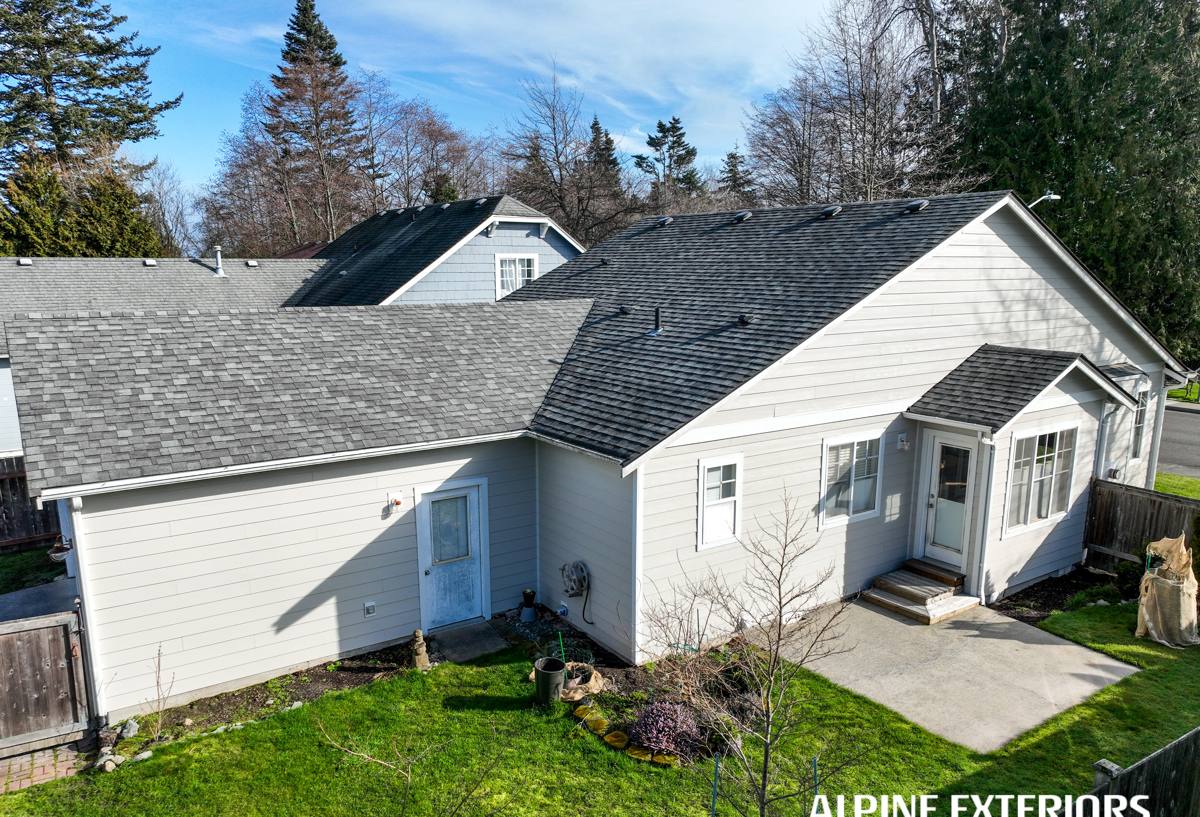
Two conditions define exterior wear in Bow more than anything else. The first is salt-laden air off the bay, which travels further inland than most homeowners assume, especially during winter wind events. Salt accelerates corrosion at fasteners, flashing, and any exposed metal trim, and it works on factory finishes and coatings in ways a drier inland location never has to deal with. The second is driving rain — wind-pushed rain that hits siding at an angle instead of falling straight down. That kind of rain finds gaps, lap joints, and seams that would never see water in a calmer climate, and it's a much harder test on a wall system than a simple annual rainfall number suggests.
The Long Moss Season
Add in a moss season that runs across most of the year in this part of western Washington — mild temperatures, steady moisture, plenty of shaded and tree-lined lots — and you get a third compounding factor. Moss and mildew growth on a siding surface traps moisture against the wall behind it, and that's often where long-term problems start: not a dramatic failure, but a slow, cumulative one that shows up years later as soft trim, staining, or an unexpectedly short repaint cycle.
None of this means a house in Bow is destined for trouble. It means the materials and installation details carry more weight here than they would somewhere drier or more sheltered, and that's the lens we bring to every siding job in the area.
Why We Install Only James Hardie Fiber Cement
We install James Hardie fiber cement siding exclusively — no vinyl, no LP SmartSide or other engineered wood, no primed spruce or cedar. That's not a marketing preference; it's a response to what this specific climate does to a wall system over years, not just during the first winter after installation.
Vinyl
Vinyl siding is inexpensive and low-maintenance in mild climates, but it relies on overlapping, unsealed joints and an intact weather barrier behind it to keep water out. Wind-driven rain off the bay is a tougher test for that kind of joint than vinyl was originally designed around, and years of sun and salt exposure can leave it brittle and prone to cracking.
Engineered Wood (LP SmartSide and similar)
Engineered wood siding uses a treated wood-strand core, which performs fine as long as the factory coating and every field-cut edge and fastener hole stay sealed indefinitely. In a place where wet weather is the default rather than the exception, that's a lot of ongoing maintenance riding on a wood-based core — and any breach at a cut edge gives moisture a direct path in.
Primed Spruce and Cedar
These are genuine, traditional materials with real appeal, but they're organic, combustible, and dependent on a paint or stain schedule that has to be kept up without gaps. Moss finds an organic surface especially easy to colonize in a climate that stays damp most of the year, which shortens the interval between recoats compared to a drier region.
Fiber cement as a category solves the organic-core problem that vinyl and wood-based products share. We standardized on James Hardie specifically for its factory-applied ColorPlus finish, its climate-engineered HZ product lines, and the strength of its warranty and installer support in this region — not because other fiber cement brands are bad, but because this is the system we've chosen to stand behind fully.
What James Hardie Siding Actually Is
James Hardie fiber cement is a blend of Portland cement, sand, and cellulose fiber, cured into rigid boards and panels. It's inorganic, meaning it has no wood-based or petroleum-based core that can absorb water, swell, rot, or feed insects. It's also non-combustible, which is a meaningful consideration even in a wet coastal county, and it holds a factory finish differently than wood or vinyl because it doesn't expand and contract with temperature and humidity the way those materials do.
HZ5: Engineered for This Climate
Hardie engineers its siding for different climate zones, and the HZ5 line is built for regions with freeze-thaw cycles and sustained moisture exposure — a good match for Skagit County's wet winters and mild, damp shoulder seasons. That's a concrete, engineering-level reason to choose this manufacturer specifically, not just fiber cement as a generic category.
ColorPlus Factory Finish
Rather than being painted on site, Hardie's ColorPlus finish is baked on in a controlled factory environment in multiple coats before the boards ever reach a job site. It's backed by its own finish warranty, separate from the substrate warranty, and it's formulated specifically to resist fading and hold color consistency under sun and salt exposure better than a field-applied paint job.
Installation Details That Matter More in Bow
Fiber cement's real-world performance depends heavily on installation quality — the material doesn't do all the work by itself, and we're upfront about that rather than pretending otherwise.
| Installation Detail | Why It Matters in Bow |
|---|---|
| Manufacturer-specified clearances at grade, roofline, and deck ledgers | Keeps splash-back and standing moisture off the board edge during heavy rain events |
| Correct fastener type, placement, and depth | Prevents cracking and keeps the weather-resistive barrier intact against wind-driven rain |
| Proper flashing at windows, doors, and roof penetrations | Directs sideways-blown rain away from seams instead of trapping it against the wall |
| Factory-cut edges used wherever possible; field cuts sealed per spec | Preserves the factory finish's protection at every cut, not just the flat faces |
| Rain screen or drainage plane behind the siding | Lets moisture that does get past the surface drain and dry instead of sitting against the sheathing |
We send certified installers to every job rather than treating fiber cement as an interchangeable swap for whatever a crew is used to hanging. A moisture-resistant, non-combustible material can still underperform if the flashing and clearances around it aren't right.
Roofing, Windows, and Decks: The Rest of the Exterior System
Siding doesn't work in isolation, and most water problems on exposed properties actually start somewhere else on the exterior. Roofs in Bow deal with the same wind-driven rain and moss pressure, just overhead — correctly lapped flashing at valleys and penetrations, solid underlayment, and attic ventilation matter as much as the roofing material itself. Windows are a common failure point too, and it's rarely the window unit that's at fault — it's rushed flashing around the opening. On a property catching wind and rain off open water, a poorly flashed window is a direct route for moisture into the wall cavity, and that kind of leak can go unnoticed for years before it shows up as interior damage. Decks facing marine and rural exposure need fasteners and hardware rated for that environment, along with framing details that shed water instead of trapping it against structural members.
- Have gutters and downspouts checked for granule buildup or debris before the wet season, since clogged systems push water back toward siding and fascia
- Look for soft or discolored trim on the weather-facing side of the house first — it usually shows wear before the rest of the exterior does
- Check window seals for fogging, drafts, or visible gaps, especially on walls that catch prevailing wind off the bay
- Walk deck framing and ledger connections annually for softness or corrosion, particularly near ground contact
What Drives Cost for a Bow Siding Project
| Factor | How It Affects Your Project |
|---|---|
| Home size and wall complexity | More corners, dormers, and trim detail mean more labor hours regardless of material |
| Condition of existing sheathing | Rot or moisture damage found once old siding comes off adds repair scope before new siding goes up |
| Siding profile and color | Lap, shingle, and panel profiles vary in material and labor cost; factory ColorPlus colors avoid an added field-painting expense |
| Site exposure | Homes with direct bay-facing exposure may warrant additional flashing detail and drainage plane work beyond a baseline install |
| Access and site conditions | Rural lots, long driveways, or limited staging area can affect scheduling and labor time |
We give straight, itemized estimates rather than a single lump number, so you can see what you're actually paying for and where the money is going.
Why a Local Crew Matters Here
Bow isn't a place where a generic, one-size-fits-all install holds up as well as it does elsewhere. A crew that hasn't worked this stretch of coastline may not think twice about clearances, flashing laps, or drainage details that matter more here than in a sheltered inland neighborhood. We work throughout Skagit County, including Bow and the surrounding Samish Bay and Burlington area, and we bring the same attention to site-specific exposure on every property — because the difference between an exterior installed for this climate and one that wasn't tends to show up here faster than most homeowners expect.
Get a Free, No-Pressure Estimate
If you're considering new siding for a home in Bow or anywhere else in Skagit County, we're glad to walk the property, look at what's on the walls now, and give you a straight answer about what we'd recommend and why. Reach out using the form below to schedule a free estimate — no pressure, no upsell script.