 Burlington
 Avon: A Small Community With a Tough Exterior Climate
Avon sits in the low-lying farmland north of Burlington, in the Skagit River delta where the valley flattens out on its way to Skagit Bay. It's a quiet, mostly rural stretch of Skagit County — but the same geography that makes it good farmland also makes it hard on the outside of a house. The land is flat, the air moves off tidal water, and moisture doesn't drain away from a building the way it does on a hillside lot. If you own a home in or near Avon, your siding, roof, windows, and deck are dealing with a different set of stresses than a house up in the foothills, even though the drive between them is short.
We're a Burlington-based crew, and Avon is part of our regular service area — not a place we drive out to occasionally. That matters more than it sounds like it should, because so much of what determines whether an exterior lasts fifteen years or forty comes down to whether the person installing it actually understands the local conditions.
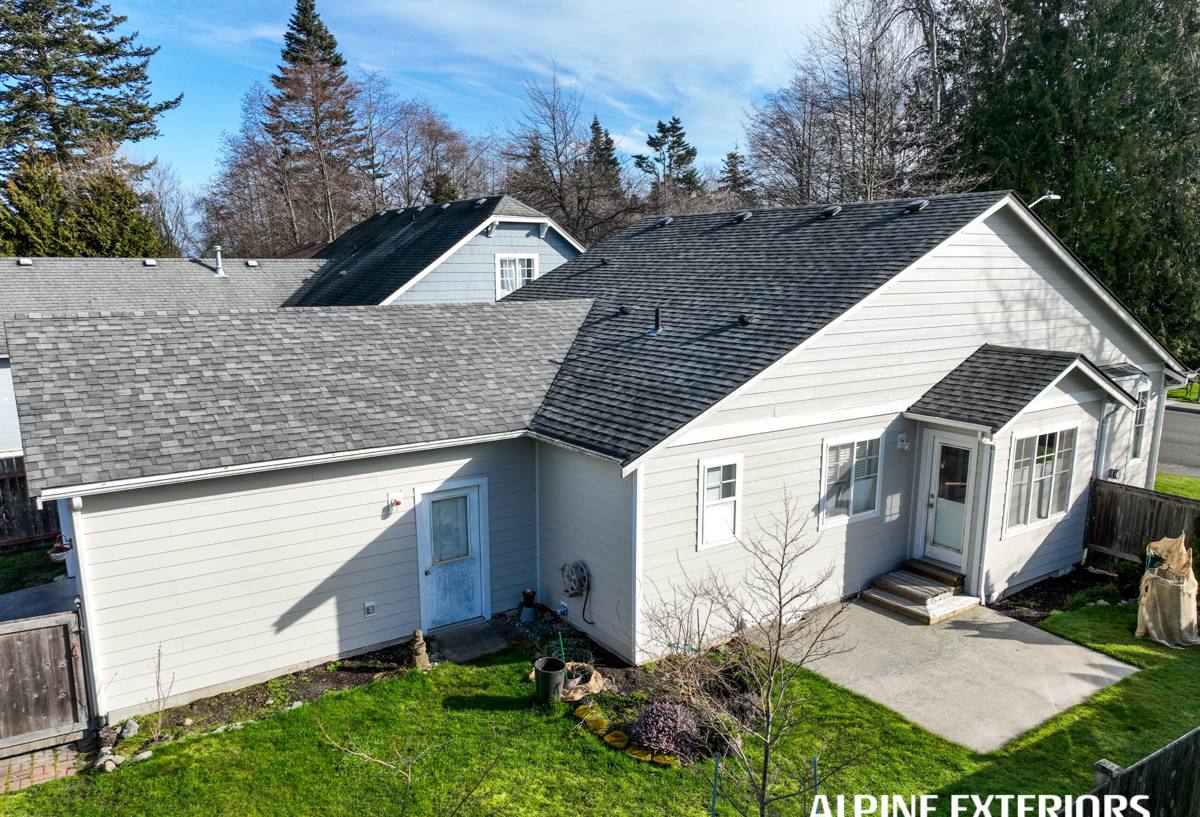
What the Climate Actually Does to a House Here
Salt Air
Homes closer to Skagit Bay and the tidal flats pick up a fine salt influence in the air, especially with a west wind. Salt-laden moisture is corrosive to metal fasteners, flashing, and trim, and it accelerates the breakdown of coatings and finishes that aren't built to handle it. It's a slower, quieter form of damage than a storm — you don't notice it until paint starts failing early or metal starts staining and pitting.
Driving Rain
Skagit County gets a lot of rain, but the specific problem for a house isn't just volume — it's wind-driven rain hitting a wall sideways instead of falling straight down. That kind of weather finds every gap in flashing, every failed caulk joint, and every seam in a product that wasn't designed to shed water on an angle. Flat, open land like the Avon area doesn't have much to block wind before it hits a house.
A Long Moss Season
Between the moisture, the mild temperatures, and the shade many properties out here get from trees and outbuildings, moss and algae have a long growing season — realistically most of the year. On roofs it works into shingles and shortens their life. On siding it holds moisture against the surface and stains anything that isn't resistant to it. It's less dramatic than a wind event, but over years it does more cumulative damage to more homes.
Why We Only Install James Hardie Fiber Cement Siding
We made a decision as a company to install one siding system — James Hardie fiber cement — and not offer vinyl, LP SmartSide, Cemplank, Allura, or bare wood species like primed spruce or cedar. That's not a marketing angle; it's a standard we hold because of what we've seen these products do, and not do, over time in exactly the kind of climate Avon sits in.
- Vinyl expands and contracts with temperature swings, can warp or crack in wind-driven weather, and its finish fades — it's not repainted, it's replaced.
- Wood-based composite sidings (like LP SmartSide) are engineered to resist moisture better than raw wood, but they're still wood at the core. Cut edges, fastener penetrations, and any breach in the factory coating are places moisture can start working in, and in a wet climate those details matter every year, not just occasionally.
- Bare wood siding (cedar, primed spruce) looks good on day one, but it demands a repainting and caulking schedule most homeowners underestimate, and it's the least forgiving product when a house sits in salt-influenced, high-moss conditions.
James Hardie fiber cement is cement, sand, and cellulose fiber — it doesn't rot, it isn't a food source for moss or algae the way wood is, and it holds up to direct rain exposure without the swelling and warping issues that affect wood-based products. It's also non-combustible, which matters given how often wildfire smoke and dry-season concerns come up in the Pacific Northwest now. The ColorPlus factory finish is baked on in a controlled environment rather than field-applied, which gives a more even, more durable coating than most site-painted siding — and Hardie backs it with a strong transferable warranty. We don't say this to knock every other product outright; each one has legitimate uses. We just concluded, after years of installs and repairs across Skagit County, that fiber cement is the one product we're willing to put our name behind here.
Siding, Roofing, Windows, and Decks — One Crew, One Standard
Most homes don't fail from one bad component — they fail at the seams where systems meet: where siding meets roof flashing, where a window is flashed into the wall, where a deck ledger board attaches to the house. We handle all four trades so those transitions are built by people who understand how they're supposed to work together, instead of being coordinated after the fact between separate contractors.
Siding
James Hardie lap, panel, and shingle siding, installed to Hardie's published specifications — correct fastener spacing, proper clearances above grade and roof lines, and flashing details sized for real Skagit County rain, not the minimum code requirement.
Roofing
Roof condition and siding condition are connected — a roof that's shedding moss and holding water at the edges will eventually push moisture into the wall assembly below it. We look at both together.
Windows
Window flashing is one of the most common failure points we find when we open up a wall. Replacement windows installed with proper integration into the siding's water-management plane make a real difference in a driving-rain climate.
Decks
Decks take the same rain and moss exposure as siding, plus standing water and ground contact. Ledger attachment and proper drainage away from the house are the details that separate a deck that lasts from one that starts rotting at the band board in five years.
What a Siding Project Looks Like
- On-site assessment — we look at your current siding, trim, flashing, and any moisture or moss issues, not just square footage.
- Product and color selection — Hardie's HZ5 product line is engineered for climates like ours; we'll walk you through lap profiles, textures, and ColorPlus color options.
- Removal and inspection — old siding comes off and we check the sheathing and framing underneath for hidden moisture damage before anything new goes up.
- Weather barrier and flashing — this layer, not the siding itself, is what actually keeps water out of the wall. It's also the layer that's easiest to shortcut, which is where a lot of problem installs come from.
- Siding installation — installed to manufacturer spacing and fastening specs, with attention to every window, corner, and penetration.
- Final walkthrough — we go over the finished work with you before calling the job done.
What Affects the Cost of a Siding Project
| Factor | Why It Matters |
|---|---|
| Home size and wall complexity | More corners, gables, and dormers mean more cutting, flashing, and labor time. |
| Current siding condition | Hidden rot or moisture damage found during tear-off adds repair work before new siding goes up. |
| Siding profile and finish | Lap, shingle, and panel styles, plus ColorPlus color choice, affect material cost. |
| Trim and detail work | Window and door trim, fascia, and corner detailing add labor beyond the flat wall area. |
| Access and site conditions | Rural lots, outbuildings, landscaping, and setback from the road can affect staging and scaffolding needs. |
We give straightforward, itemized estimates rather than vague ballpark numbers, because siding jobs vary too much house to house to be priced any other way.
Moss and Algae: Keeping It From Coming Back
No siding product is completely maintenance-free, but there's a real difference between maintenance and repair. Fiber cement siding, properly installed and coated, sheds moisture instead of absorbing it, which starves moss and algae of the damp surface they need to establish themselves. A periodic gentle wash, keeping gutters clear so water isn't running down the wall face, and trimming back vegetation that shades the siding will keep a Hardie exterior looking clean through Skagit County's long wet season — without the recoating and rot-checking that wood-based sidings require.
Why a Local Crew Matters
Manufacturer specifications are written for a range of climates, and the difference between a siding job that lasts and one that fails early often comes down to whether the crew installed it for your specific conditions — flashing details sized for driving rain, clearances that account for a long wet season, fastener choices that hold up to salt-influenced air. We're a Burlington crew that works Avon and the surrounding Skagit County area regularly, so these aren't unfamiliar conditions we're adjusting for on the fly — they're what we build for by default.
A local crew also means accountability. If a warranty question or a flashing detail needs a second look five years down the road, we're not a company that worked in the area once and moved on.
Questions to Ask Any Siding Contractor
- Are you a licensed, bonded, and insured contractor in Washington State?
- Do you install to the manufacturer's published fastening and flashing specifications, or your own shortcuts?
- Will you inspect the sheathing underneath before installing new siding?
- What does the manufacturer's warranty actually cover, and is it transferable if you sell the home?
- Can you provide a written, itemized estimate rather than a single lump-sum number?
- How do you handle window and roof-line flashing where different trades meet?
If you're weighing a siding, roofing, window, or deck project for a home in Avon or anywhere around Burlington, we're glad to come take a look and put together a straightforward, no-pressure estimate — no obligation, just an honest read on what your house needs.