 Burlington
 Siding in Lyman Has to Work Harder Than the Brochure Suggests
Lyman sits back in the Skagit River valley, tucked under heavy tree cover with the kind of shade and moisture that keeps a roof or a wall damp long after the rain stops. It's part of the same broader Skagit County climate pattern that gives the rest of the region its marine-influenced air, driving winter rain, and a moss season that can run most of the year. Out here, that shows up less as salt spray off the water and more as constant dampness pulled in from the river corridor and held against the house by the trees. Whatever the exact mix on your lot, the result is the same: siding that can't shed water fast and stay dry between storms is going to grow moss, hold moisture, and break down years before it should.
That's the standard we build to for every Lyman project — not just picking a material that's rated for wet climates, but installing it in a way that actually keeps water moving off the wall instead of sitting on it.
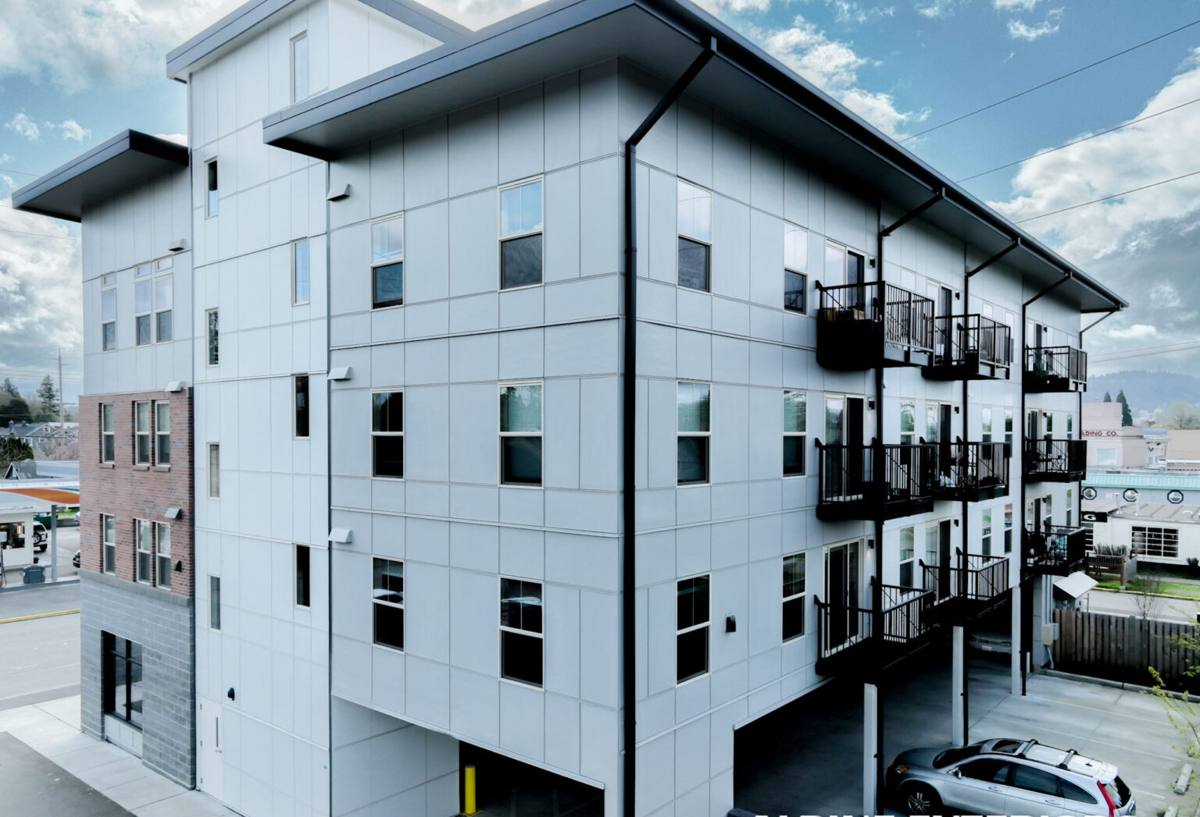
What Fiber Cement Siding Actually Is
Fiber cement is a mix of Portland cement, sand, and cellulose fibers, cured into dense, rigid boards and panels. It doesn't rot, it doesn't feed insects, and it's non-combustible — none of which is true of wood siding, and none of which vinyl or foam-based products can claim in the same way. Because it's dimensionally stable, it also doesn't expand and contract with humidity swings the way wood-based products do, which matters a lot in a climate that goes from soaking wet to dry and back again through the year.
Why This Matters More in a Shaded, Wet Setting Like Lyman
A tree-covered lot near the river holds humidity longer than an open, sun-exposed one. Wood-based siding products absorb that moisture, swell, and eventually warp or delaminate at the edges. Fiber cement doesn't take on water the same way, and when it's finished with a factory-applied coating rather than field-applied paint, the surface itself resists the kind of moisture intrusion that starts most siding failures.
ColorPlus Factory Finish
The specific product line we install — James Hardie with ColorPlus Technology — bakes the finish onto the board in a controlled factory environment, not on a job site where wind, temperature, and rain can compromise how paint cures. That finish is backed by its own warranty against fading and peeling, separate from the substrate warranty, which is a meaningful distinction most homeowners never hear explained.
What a Correct Fiber Cement Installation Actually Involves
Fiber cement siding fails less often because the product itself is bad and more often because it was installed off-spec. The manufacturer's installation instructions are specific for a reason, and skipping steps is where almost every callback we see originates.
Clearance and Gapping
Boards need proper clearance from the ground, roofline, decks, and any horizontal surface — typically a minimum of several inches — plus small gaps at butt joints and around penetrations that get sealed correctly rather than jammed tight. Tight-fit, no-gap installs trap moisture right where it does the most damage.
Flashing and Water Management
Every window, door, and horizontal transition needs flashing detailed to shed water outward, not into the wall assembly. In a valley setting where driving rain and standing humidity are both in play, a weather-resistive barrier and a drainage plane behind the siding aren't optional extras — they're what keeps incidental moisture from becoming a rot problem inside the wall.
Fastening
Fasteners have to hit framing at the manufacturer's specified spacing and depth — not just wherever the nailer happens to sit. Overdriven or underdriven fasteners are one of the most common defects we find when we're called out to look at another crew's work, and they quietly compromise the whole system's ability to handle wind and moisture.
Caulking and Joint Treatment
Butt joints, trim intersections, and penetrations need the right sealant, applied correctly — not smeared over gaps that should've been flashed instead. Caulk is a finishing detail, not a substitute for proper water management, and installers who lean on it too heavily are usually covering for shortcuts underneath.
Common Installation Mistakes We See on Re-Sides in This Area
When we're brought in to replace siding that failed early, the pattern is consistent almost every time — not a defective product, but a shortcut somewhere in the install:
- Siding installed tight to grade or decking, with no clearance for water to drain away
- Missing or undersized flashing above windows and at roof-to-wall transitions
- Fasteners driven through the top of the board's nailing line instead of the specified zone
- No rainscreen or drainage gap behind the siding on a wall that stays damp for long stretches
- Butt joints caulked shut instead of gapped and flashed as the manufacturer specifies
Every one of those is preventable. None of them show up as a problem on day one — they show up two, five, or ten years later as moss buildup, staining, soft trim, or paint failure, which is exactly why the install matters more than the product label.
Our Process on a Lyman Project
Assessment
We start by looking at what's actually driving moisture exposure on your specific lot — tree cover, shade patterns, drainage around the foundation, and how the existing siding or sheathing has held up. That tells us where extra attention to flashing and drainage detail is worth it.
Prep and Water Management
Old siding comes off, sheathing gets inspected and repaired where needed, and a weather-resistive barrier plus drainage plane goes on before a single piece of Hardie board is hung. This step is invisible once the job is done, which is exactly why it's the step that gets skipped by crews trying to move fast.
Installation to Spec
Boards, trim, and accessories go up following James Hardie's published fastening, clearance, and flashing requirements — not shortcuts, not "close enough." This is also what keeps the manufacturer's warranty intact; installing off-spec can void coverage even on a good product.
Final Detailing and Walkthrough
Caulking, touch-up, cleanup, and a walkthrough so you know what you're looking at and what to expect from the finish over time.
What Affects Cost on a Fiber Cement Project
Every home is different, and we won't throw out a number without seeing the job, but these are the factors that actually move the price:
| Factor | Why It Matters |
|---|---|
| Total wall square footage | Larger surface area means more material and more labor hours |
| Number of stories | Staging and access add time and equipment cost on multi-story homes |
| Existing siding removal | Tear-off, disposal, and sheathing repair add labor beyond the new install |
| Trim and architectural detail | Corners, gables, and window trim require more cutting and fitting |
| Panel vs. lap siding, and accessories | Product selection and trim/soffit accessories shift material cost |
| Moisture or rot repair found during tear-off | Damaged sheathing or framing has to be addressed before new siding goes on |
Why We Only Install James Hardie
We don't install LP SmartSide, vinyl, Cemplank, Allura, or unfinished wood siding, and that's a deliberate standard, not an oversight. Each of those products has real strengths, but each comes with a trade-off we're not willing to install and stand behind long-term — engineered wood products remain wood-based and moisture-sensitive at cut edges and seams, vinyl can warp and fade and offers limited fire resistance, and unfinished wood siding demands a maintenance schedule most homeowners underestimate before they commit to it.
James Hardie's fiber cement is non-combustible, holds its factory-applied ColorPlus finish far longer than field-applied paint, and comes in HZ product lines engineered for specific climate zones rather than a one-size-fits-all formulation. Installed correctly, it's backed by a strong transferable warranty — which only holds up if the installation itself meets spec, which brings us back to why the installer matters as much as the product.
Why It Matters to Hire a Crew That Already Works This Area
A crew that regularly works Burlington and the surrounding Skagit County communities already understands how local conditions — river-valley shade, sustained moisture, moss growth patterns — should change the details of an install, not just the material choice. We know which parts of a house in this area take the worst of the moisture and where extra flashing attention pays off years down the road. That's not something you get from a crew passing through on a one-off job; it's something you get from doing this work in this climate, repeatedly, and seeing how installs actually hold up over time.
Keeping Fiber Cement Siding Looking Right Long-Term
Correctly installed Hardie siding is low-maintenance, not zero-maintenance. A little attention keeps it performing the way it's designed to:
- Rinse siding periodically to clear pollen, dirt, and organic buildup, especially on shaded walls
- Keep gutters clear so overflow doesn't run down the wall face
- Trim back vegetation and tree limbs that hold moisture against the siding
- Check caulked joints yearly and have any cracked or failing sealant redone
- Watch for moss or algae starting on shaded sections and address it before it spreads
- Have any impact damage or cracked boards repaired promptly rather than left exposed
If you're weighing a re-side in Lyman or anywhere around Burlington, we're happy to take a look and walk you through what your home actually needs — no pressure, no upsell, just a straight assessment and a written estimate. The form below gets you started.