 Burlington
 Windows in Avon Face a Specific Kind of Weather
Avon sits low in the Skagit Valley, close enough to tidal water and open farmland that homes here take a steady beating from moisture-laden air. It's not one dramatic storm that wears out a window — it's the accumulation of small things over years: salt-tinged air drifting in off the estuary, wind-driven rain that hits siding and window trim sideways instead of straight down, and long stretches of gray, damp weather that never quite let anything dry out completely. Add in the moss and algae season that runs a good chunk of the year in this part of Skagit County, and you've got a climate that's genuinely hard on window seals, frames, and the wall assembly behind them.
When we replace windows in Avon, we're not just swapping old glass for new. We're addressing how this specific environment attacks a window system over time, and building the replacement to hold up against it.
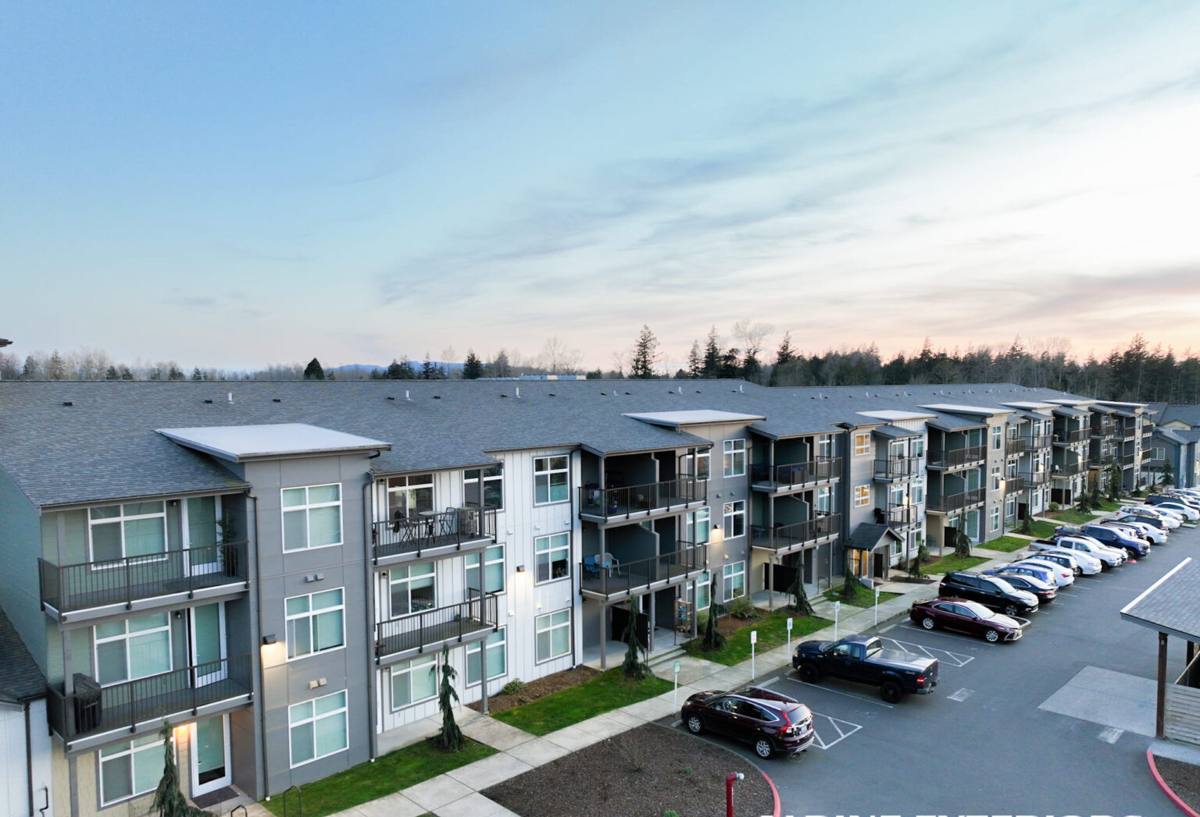
How This Climate Actually Damages Windows
Salt Air and Metal Components
Homes closer to the water in this stretch of Skagit County deal with airborne salt that accelerates corrosion on window hardware — hinges, cranks, locks, and especially older aluminum frames. Once corrosion starts on a lock mechanism or a roller track, windows get harder to open and close properly, which usually means the seal isn't making full contact anymore either.
Driving Rain and Wind-Loaded Water
Wind off the valley pushes rain into places gravity alone wouldn't take it — up under sills, sideways into old caulk joints, behind trim that's shrunk or cracked. This is why so many window failures in Avon aren't leaks through the glass itself, but water finding a path around the frame through failed flashing or perished sealant.
Moss, Algae, and Prolonged Dampness
A long moss season means more organic growth holding moisture against wood trim and sills for extended periods. Wood that stays damp for weeks at a time softens, and once a sill starts to soften, the window above it is only a matter of time from needing full replacement rather than a repair.
Condensation From Indoor-Outdoor Temperature Swings
Skagit County's damp winters create a lot of interior condensation on older, single-pane or poorly sealed windows. That moisture doesn't stay on the glass — it runs down into the sill and frame, which is one of the most common early signs we see on service calls in this area.
Signs an Avon Home Needs Window Replacement, Not Just Repair
- Sills that feel soft, spongy, or show dark staining when pressed
- Visible fogging or a permanent haze between double-pane glass — the seal has failed and the insulating gas is gone
- Windows that are difficult to open, close, or lock, especially near the coast-facing side of the house
- Drafts you can feel with a hand near the frame on a windy day
- Paint that keeps peeling or bubbling on the interior trim around a specific window, even after repainting
- Visible daylight or gaps around the frame when the window is closed
- A noticeable jump in heating costs without any other explanation
Any one of these on its own might be solvable with caulking or a hardware fix. Two or three together on the same window, especially involving the sill or frame, usually means the window and its surrounding flashing need to come out.
What a Correct Window Replacement Involves Here
A window replacement done right in this climate isn't just measuring the old opening and dropping in a new unit. The steps that actually matter for long-term performance in Avon's conditions are:
- Full removal and inspection of the opening. Once the old window is out, we check the sheathing, framing, and any existing flashing for hidden rot or moisture damage. This is often where problems the homeowner never saw get caught early.
- Correcting flashing and water management, not just replacing the window. A brand-new window installed over failed flashing will develop the exact same leak in a few years. We integrate new flashing with the existing weather-resistive barrier so water sheds outward, not into the wall.
- Proper sill pan installation. A sloped sill pan gives any water that does get past the sash a way out instead of pooling against wood. This one detail is responsible for a large share of long-term window failures when it's skipped.
- Correct shimming and squaring. An out-of-square window stresses the seal unevenly and can bind the sash over time — a common cause of "the window just got hard to close" a few years after a rushed install.
- Sealing and insulating the gap properly. Low-expansion foam or backer rod and sealant around the frame, not stuffed fiberglass, keeps the assembly both insulated and able to manage minor moisture.
- Exterior trim and caulk detailing sized for wind-driven rain. Joints get sealed with products rated for sustained wet exposure, not general-purpose caulk that shrinks and cracks within a couple of seasons.
Choosing Materials That Hold Up in Skagit County
We steer homeowners toward window frame materials and glass packages based on how they actually perform in this environment over the long run, not on price alone.
| Frame Material | How It Handles This Climate | Our Take |
|---|---|---|
| Vinyl | Resists moisture and salt corrosion well, low maintenance, good value | Solid choice for most Avon homes; verify the profile is reinforced for larger openings |
| Fiberglass | Very stable in temperature swings, excellent moisture resistance, holds paint well | Worth the added cost on coast-facing walls or homes with a lot of direct wind exposure |
| Wood (clad exterior) | Attractive, but exterior wood trim is vulnerable to the area's moss and dampness if not fully clad | We recommend full exterior cladding here, not exposed wood, given how long surfaces stay damp |
| Bare aluminum | Prone to corrosion and condensation in salt-influenced air | We generally advise against it for this specific location; thermally broken versions perform better but still lag other options |
On glass, a dual-pane, low-E unit with argon fill is the practical baseline for this area — it manages condensation and heat loss noticeably better than older single-pane or basic dual-pane glass without the assembly.
Our Process for an Avon Window Project
Because we already work regularly in Avon and the surrounding Burlington area, we know what to check for on a walkthrough before a single window comes out.
- On-site assessment. We look at every window being considered, not just the ones that are obviously failing, and check sills, trim, and exterior caulk lines for early warning signs.
- Straightforward, written estimate. You get a clear breakdown of what's being replaced, the materials involved, and the reasoning behind any recommendation — no pressure to upgrade beyond what the house actually needs.
- Scheduling around the weather. Window openings are exposed during install, so we plan around forecasted rain windows rather than rushing through a wet day.
- Careful removal and structural check. Existing framing and sheathing get inspected as each window comes out, and we'll flag any hidden damage before proceeding rather than covering it back up.
- Correct flashing, sill pan, and sealing detail on every unit. No shortcuts on the water-management steps, regardless of how straightforward the window looks from outside.
- Final walkthrough. We check operation, seals, and exterior finish work with you before considering the job done.
Cost Factors Worth Understanding Up Front
Every Avon home is different, so exact pricing depends on the specifics, but the main factors that move the number are:
| Factor | Why It Matters |
|---|---|
| Number and size of window openings | Larger and more numerous openings mean more material and labor |
| Extent of hidden rot or flashing damage found | Repairing framing or sheathing behind a failed window adds time and materials beyond the window itself |
| Frame material chosen | Vinyl, fiberglass, and clad-wood options carry different upfront costs |
| Glass package | Standard dual-pane low-E versus upgraded coatings or triple-pane changes the price per unit |
| Access and second-story work | Harder-to-reach windows take more time and equipment |
Why Hiring a Crew That Already Works in Avon Matters
Window replacement mistakes are usually invisible for the first year or two. A window that's installed square but poorly flashed looks perfectly fine right up until the first serious wind-driven rain event finds the gap. A crew that regularly works Burlington and the greater Skagit County area has already seen how these specific conditions expose bad installs, which shapes how we detail every job going forward — the sill pans, the flashing integration, the sealant choices — instead of applying a generic install method and hoping the local weather cooperates.
We're also familiar with the kind of housing stock common in and around Avon, which means fewer surprises once a window comes out and faster, more accurate estimates going in.
Maintaining New Windows in This Climate
Even a correctly installed window benefits from a little seasonal attention here:
- Rinse frames and tracks periodically to clear salt residue and organic buildup before it accumulates
- Check exterior caulk lines once a year, especially after a harsh winter, and re-seal any joint that's cracked or pulled away
- Clear moss or debris from sills and nearby trim promptly rather than letting it sit through a wet season
- Operate hardware (locks, cranks, rollers) periodically so corrosion doesn't set in unnoticed
None of this is complicated, but skipping it is how a well-installed window ends up with the same problems as the one it replaced, just years later instead of decades.
If you're noticing drafts, fogged glass, soft sills, or windows that just don't operate the way they used to, we're happy to take a look. Fill out the form below for a free, no-pressure estimate on your Avon home.