 Burlington
 Why Avon's Climate Is Harder on Siding Than It Looks
Avon sits low in the Skagit River valley, close enough to Skagit Bay and the broader Puget Sound that marine air reaches the neighborhood on a regular basis. That air carries salt, and salt is corrosive to fasteners, hardware, and any siding material that isn't engineered to shed moisture quickly. Combine that with the driving, wind-pushed rain that comes through the valley off the Sound, and you have a climate that tests siding in ways a drier inland town never would.
Then there's moss. Skagit County's wet season runs long, and homes in low-lying, tree-shaded areas like Avon can carry a green film on their north- and west-facing walls for much of the year. Moss and algae aren't just cosmetic — they hold moisture against the siding surface, and that constant dampness is exactly what accelerates rot, delamination, and paint failure in materials that aren't built to handle it.
None of this means Avon is an unusually hostile place to own a home. It means siding here has to do real work every day, and the material and installation details that would be "good enough" in a dry climate aren't good enough here.
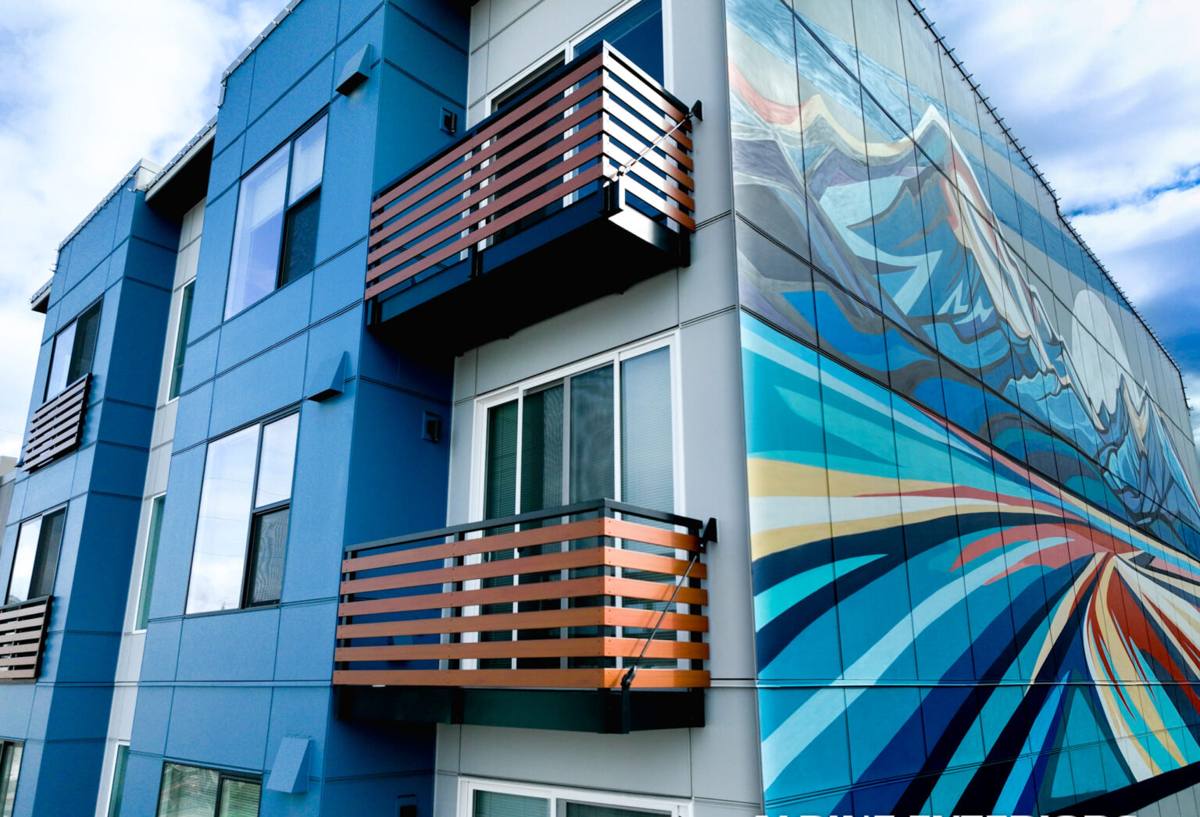
Signs an Avon Home's Siding Is Due for Replacement
What you can see from the ground
- Paint that's peeling, bubbling, or needs repainting more often than every 7-10 years
- Soft or spongy spots when you press on the siding, especially near the bottom courses
- Visible warping, cupping, or boards that no longer sit flat
- Persistent moss or algae growth that returns within a season of cleaning
- Gaps, cracks, or separation at seams and corners
- Rising utility bills or drafts that suggest the wall assembly behind the siding is compromised
What's often hiding behind it
By the time siding shows visible failure, moisture has usually been getting behind it for a while. In Avon's climate, that means checking the sheathing, house wrap, and framing underneath — not just replacing the surface material and hoping the problem was cosmetic. A proper replacement always includes an honest look at what's underneath, because covering rotten sheathing with new siding just delays a much more expensive repair.
What a Correct Siding Replacement Actually Involves
Full tear-off, not a cover-up
We remove the existing siding down to the sheathing rather than installing over it. That's the only way to actually inspect the wall assembly, catch hidden rot or moisture damage early, and give the new siding a flat, solid surface to attach to.
Weather-resistive barrier and flashing
A new layer of house wrap goes on correctly lapped so water sheds down and out, not into the wall. Flashing at windows, doors, and every horizontal trim board gets installed so driving rain — the kind that comes sideways off the Sound during a fall storm — has nowhere to collect.
A drainage gap behind the siding
In a climate this wet, we install siding with a rain screen or drainage gap so any moisture that does get past the outer layer has a path to dry out instead of sitting trapped against the sheathing. This one detail is a major reason siding fails early in some homes and lasts decades in others — the material can be identical, but the installation determines whether moisture ever has a chance to do damage.
Proper fastening and caulking
Salt air degrades poorly-coated fasteners over time, so we use fasteners rated for the exposure and follow the manufacturer's nailing pattern exactly — not a shortcut pattern that saves an hour but voids the warranty.
Why We Install Only James Hardie Fiber Cement
We don't install vinyl, LP SmartSide, cedar, or primed spruce siding, and we won't quote them for an Avon home even if a customer asks. That's not a marketing position — it's a standard we hold because of what happens to those materials in this specific climate over a 15-20 year window.
| Factor | Vinyl | Wood / Cedar / Primed Spruce | James Hardie Fiber Cement |
|---|---|---|---|
| Moisture & rot resistance | Doesn't rot, but seams and J-channels trap water behind it | Absorbs moisture; prone to rot without diligent upkeep | Engineered to resist moisture damage; won't rot |
| Moss/algae behavior | Growth sits on a slick surface, often re-grows fast after cleaning | Growth penetrates grain, accelerates decay | Factory finish resists staining and holds up to cleaning |
| Salt air exposure | Can become brittle and discolor over time | Finish breaks down faster near salt air, needs frequent recoating | Fiber cement core is not affected by salt exposure |
| Fire resistance | Combustible, can melt or warp in radiant heat | Combustible | Non-combustible material |
| Finish longevity | Color molded in, but fades and chalks; can't easily be refinished to match | Needs repainting/staining every few years | ColorPlus factory finish backed by its own warranty |
Vinyl is inexpensive and low-maintenance in the sense that it doesn't need painting, but it's a thin plastic product that relies on lapped seams to keep water out — seams that are exactly where wind-driven rain wants to find a way in. Cedar and primed spruce look great when new and can be a legitimate choice for someone willing to commit to real upkeep, but in a climate with this much sustained moisture and moss pressure, that upkeep becomes a recurring cost most homeowners underestimate. We'd rather tell a homeowner that up front than sell a product we know will disappoint them here.
The Hardie Product Lines We Use on Skagit County Homes
James Hardie engineers its siding by climate zone, and homes in Western Washington get the HZ5 formulation, built specifically for regions with high moisture and moderate freeze-thaw cycling. For Avon homes we most often specify:
- HardiePlank lap siding — the standard horizontal lap look, available in several exposure widths and textures
- HardiePanel — vertical panel siding, often used for accent sections or a more modern look
- HardieTrim — matched trim boards so window and corner details hold up as long as the field siding
Most homeowners choose the factory-applied ColorPlus finish rather than field-painted siding. It's baked on under controlled conditions, resists fading and chipping better than a job-site paint job, and comes with its own finish warranty separate from the substrate warranty — so a homeowner isn't relying on one warranty to cover two very different failure modes.
Our Process for an Avon Siding Replacement
| Step | What happens |
|---|---|
| 1. Inspection & estimate | We walk the exterior, check for hidden moisture damage, and give you a written scope and price |
| 2. Material selection | Choose plank style, exposure, trim details, and ColorPlus color |
| 3. Tear-off | Old siding removed, sheathing inspected and repaired as needed |
| 4. Weather barrier & flashing | House wrap, flashing, and drainage gap installed per manufacturer spec |
| 5. Siding installation | Hardie siding and trim installed with correct fastener type and pattern |
| 6. Final walkthrough | Caulking, touch-up, cleanup, and a walk-through so you can see the finished work |
We keep the homeowner informed at each stage, especially step 3 — if we find rot or moisture damage behind the old siding, we'll show you before we close it back up and price the repair separately rather than folding a surprise into the final bill.
What Siding Replacement Costs Depend On
Every Avon home is different, so we won't quote a number without seeing the house, but these are the factors that move the price up or down:
| Factor | Why it matters |
|---|---|
| Home size & wall complexity | More square footage and more corners, gables, and dormers mean more material and labor |
| Condition of sheathing underneath | Hidden rot found during tear-off adds repair cost but prevents a bigger failure later |
| Siding profile & trim detail | Wider trim boards, accent panels, and custom color choices add cost over a basic lap job |
| Access & site conditions | Fencing, landscaping, multiple stories, or tight lot lines affect labor time |
| Existing material removal | Some materials (like old asbestos-cement siding) require special handling and disposal |
Why It Matters That We Already Work in Avon and Burlington
A crew that's done siding work throughout Skagit County knows which walls in this area take the worst weather exposure, how far moss and algae typically get before a homeowner notices, and how the local permitting process works with the county and the City of Burlington. That local pattern recognition matters — it's the difference between a generic installation and one that's actually built for what an Avon home experiences every winter. It also means when you have a question two years after the job, you're calling a crew that's still working in your neighborhood, not one that drove in from out of the area for a single project.
If your siding is showing its age or you just want an honest opinion on whether it can be repaired or should be replaced, we're happy to take a look. Request a free, no-pressure estimate using the form below and we'll walk your home's exterior with you.