 Burlington
 Window Installation Built for Avon's Climate
Avon sits low in the Skagit Valley, close enough to Padilla Bay and the Skagit River delta that homes here deal with a climate most inland contractors never have to think about. Salt-laden air moves in off the water, driving rain comes sideways during fall and winter storms, and a long, damp moss season keeps exterior surfaces wet for weeks at a time. Windows are one of the first places that combination shows up as a problem — failed seals, soft trim, fogged glass, and drafts that weren't there five years ago.
A window is only as good as its installation. The best vinyl or fiberglass unit on the market will still leak, rot the framing around it, and fail early if it's set without the right flashing, sealant, and drainage details for this climate. That's the piece homeowners in Avon often don't get told about when they're comparing quotes — the window brand matters less than the hands and method putting it in the wall.
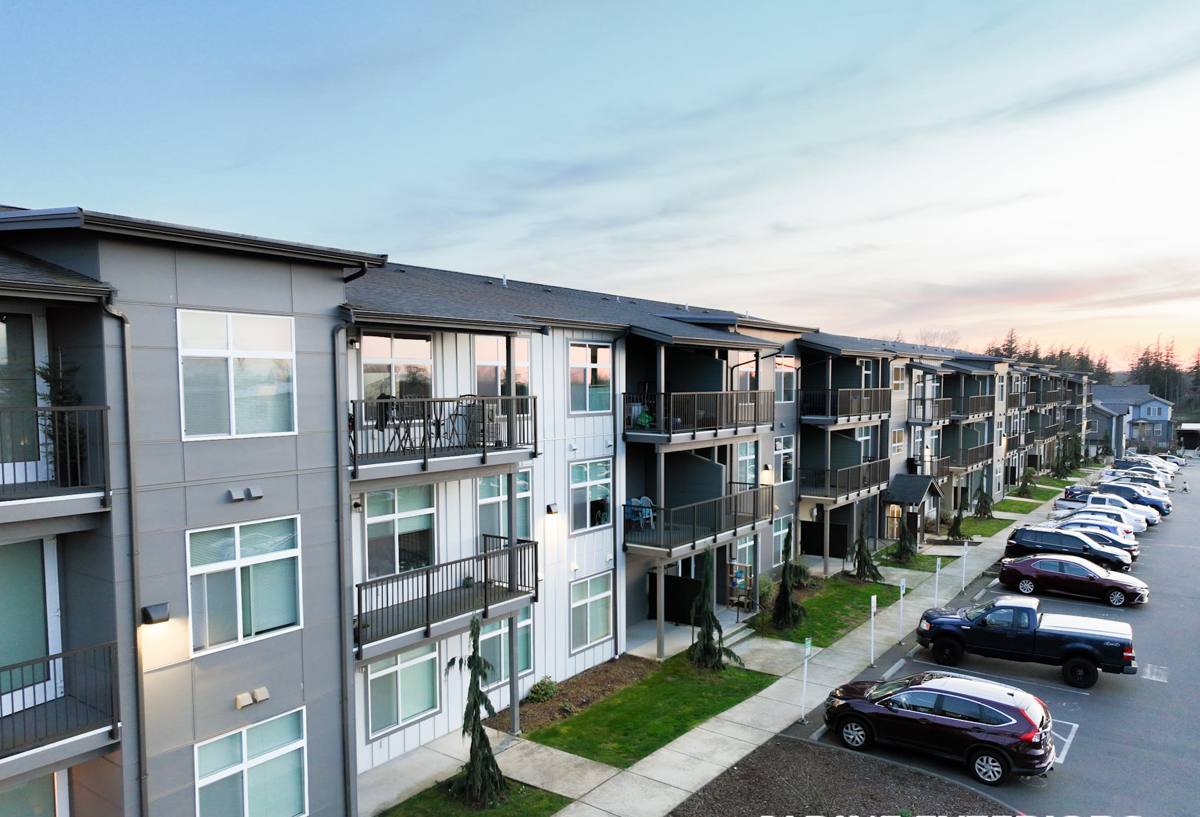
What Avon Homes Need From a Window Installation
Houses in and around Avon range from older farmhouse-style homes on the valley floor to newer builds closer to Burlington. Regardless of age, three things determine how well a window installation holds up here:
- Correct flashing sequence — water has to be directed out and down, never trapped behind the window or inside the wall cavity.
- A continuous weather-resistive barrier — house wrap or building paper that laps correctly with the window flanges so wind-driven rain can't work its way behind the trim.
- Sealants and materials rated for marine air — salt exposure breaks down cheap caulk and unprotected fasteners faster than most manufacturers' warranties assume.
Skip any one of these and the window itself becomes irrelevant. We've opened up plenty of walls where a perfectly good window was destroyed from the inside because it was installed without proper flashing — the damage was in the framing, not the glass.
Why Driving Rain Changes the Installation Approach
Standard installation guides assume relatively calm, vertical rainfall. Avon's storms don't cooperate — wind off the valley pushes rain sideways into wall assemblies, which means water testing points that would be fine in a drier climate can still let moisture in here. We treat every window opening as a wind-driven-rain condition by default, not an exception, which changes how sill pans, corner flashing, and head flashing get layered.
Signs an Existing Window Needs Replacing, Not Just Repair
Not every problem window needs full replacement, but several signs point to it:
- Fogging or condensation between the panes (seal failure — not repairable)
- Soft or discolored trim and sill boards around the frame
- Visible gaps or daylight around the sash when closed
- Difficulty opening, closing, or locking the window
- A noticeable draft or cold spot near the window in winter
- Moss or dark staining building up on the sill or exterior casing
- Higher heating bills without another clear explanation
If you're seeing moss or persistent dark staining specifically at the sill, that's usually a sign water is sitting there longer than it should, which in this climate is often a flashing or drainage issue rather than something the window itself caused.
Our Window Installation Process
Every window job follows the same sequence, whether it's one window or a whole-house replacement:
- On-site assessment — we check the existing opening, framing condition, and any signs of past water intrusion before quoting anything.
- Removal — the old window comes out carefully so we can inspect the rough opening and sill for hidden rot before anything new goes in.
- Framing repair (if needed) — any soft or water-damaged framing gets addressed before the new window is set. Installing a new window into damaged framing just hides the problem.
- Sill pan and flashing — a sloped sill pan and properly lapped flashing go in first, so any water that does get past the window drains back out, not into the wall.
- Setting the window — leveled, shimmed, and fastened to the manufacturer's specifications, with the weather barrier integrated at each layer, not just caulked over afterward.
- Sealing and insulating — low-expansion foam or backer rod and sealant around the frame, sized correctly so the window isn't bowed by over-filled foam.
- Interior and exterior trim — finished to match the surrounding siding and trim profile.
- Final check — operation, seal, and cleanup before we consider the job done.
Choosing the Right Window Type for Avon's Exposure
Frame material matters more here than in drier parts of the state because of the combination of salt air and sustained moisture. Here's how the common options compare for this specific climate:
| Frame Material | Salt Air Performance | Maintenance | Notes |
|---|---|---|---|
| Vinyl | Good — won't corrode or rot | Low | Most cost-effective; quality varies significantly by manufacturer |
| Fiberglass | Excellent — very stable in temperature and moisture swings | Low | Higher upfront cost; holds paint well if a custom color is wanted |
| Aluminum | Fair — can corrode near salt air without proper coatings | Moderate | Better suited to commercial or specific architectural needs than typical homes here |
| Wood / wood-clad | Requires protection — exterior cladding needed near salt exposure | High | Best interior appearance; the exterior clad layer does the weather work |
We don't push one brand or material as universally "best" — the right call depends on the home's exposure, budget, and how it's oriented to the prevailing weather. What we do insist on is glazing and frame products with warranty and moisture-performance documentation appropriate for a marine climate, not just a generic national spec sheet.
What Drives the Cost of a Window Installation
Every quote should walk through the same variables. Broadly, expect these factors to move the price:
| Factor | Why It Matters |
|---|---|
| Window size and style | Larger units, custom shapes, or operable styles (casement, awning) cost more than standard sliders or single-hungs |
| Frame material | Vinyl is typically the most affordable; fiberglass and clad-wood cost more upfront |
| Number of windows | Per-window cost usually drops on larger jobs due to shared setup and disposal |
| Condition of the existing opening | Rot or framing damage found during removal adds repair time before the new window can go in |
| Trim and finish work | Matching existing exterior trim profiles or interior wood finishes adds labor |
| Access and site conditions | Second-story or hard-to-reach windows take longer and may need staging |
We give a written estimate that breaks these out so there are no surprises once the crew is on site.
Permits and Energy Code Considerations
Window replacement in Skagit County generally needs to meet current Washington State energy code requirements for glazing performance, and some projects require a permit depending on scope — particularly if the rough opening size is changing or it's part of a larger remodel. We handle the permit question as part of the estimate so it's not something you have to sort out separately, and we make sure the U-factor and other ratings on the windows we install meet code for this climate zone.
Why a Crew That Already Works Avon Makes a Difference
Window installation isn't a one-size-fits-all trade. A crew that regularly works Avon and the surrounding Burlington area already knows what this valley's weather does to a wall assembly over a few winters — which details matter, which shortcuts show up as callbacks two years later, and how local siding and trim styles typically get finished around a window opening. That familiarity shows up in fewer surprises during the job and a finished product that's built for what this specific location will throw at it, not a generic national installation standard.
It also matters for accountability. A local crew is easy to reach if a question comes up after the job, and has a reputation in the area worth protecting — that's a different incentive structure than a traveling crew that won't be back through Skagit County next season.
After Installation: Keeping Windows Performing Long-Term
A correct installation does most of the work, but a little homeowner maintenance extends the life of any window in this climate:
- Rinse salt residue off exterior frames periodically, especially after storms
- Keep gutters and downspouts clear so roof runoff isn't dumping onto window heads
- Check and re-caulk any interior or exterior sealant joints that show cracking, typically every few years
- Remove moss or organic buildup from sills and surrounding trim before it holds moisture against the wood or frame
- Operate each window a few times a year, even ones you don't use often, to keep hardware and weatherstripping functioning
If you're noticing drafts, fogged glass, or soft trim around your windows in Avon, or you're planning ahead for a full window replacement, we're happy to take a look and walk you through what your home actually needs — no pressure, no upsell on materials you don't need. Reach out through the form below for a free estimate.