 Burlington
 Big Lake Sits in a Climate That's Hard on Windows
Big Lake is a bit of an odd duck compared to a lot of Skagit County housing stock. You've got homes built right up against the water, older cabins converted to year-round living, and newer builds all sharing the same exposure: humid air off the lake, salt-tinged wind that rolls in from the Sound on a westerly, and a rainy season that doesn't so much end as taper off. Add in the shade from surrounding trees and you get long stretches where wood, vinyl, and glass all stay damp longer than they would on a drier, more open lot in town.
None of that is a reason to avoid windows with a view of the lake — that view is half the reason people live out here. But it does mean the installation has to account for moisture in a way a generic big-box window job often doesn't. We've worked enough homes in this pocket of Burlington to know where water tends to find its way in, and we build the job around that from the start rather than treating it as an afterthought.
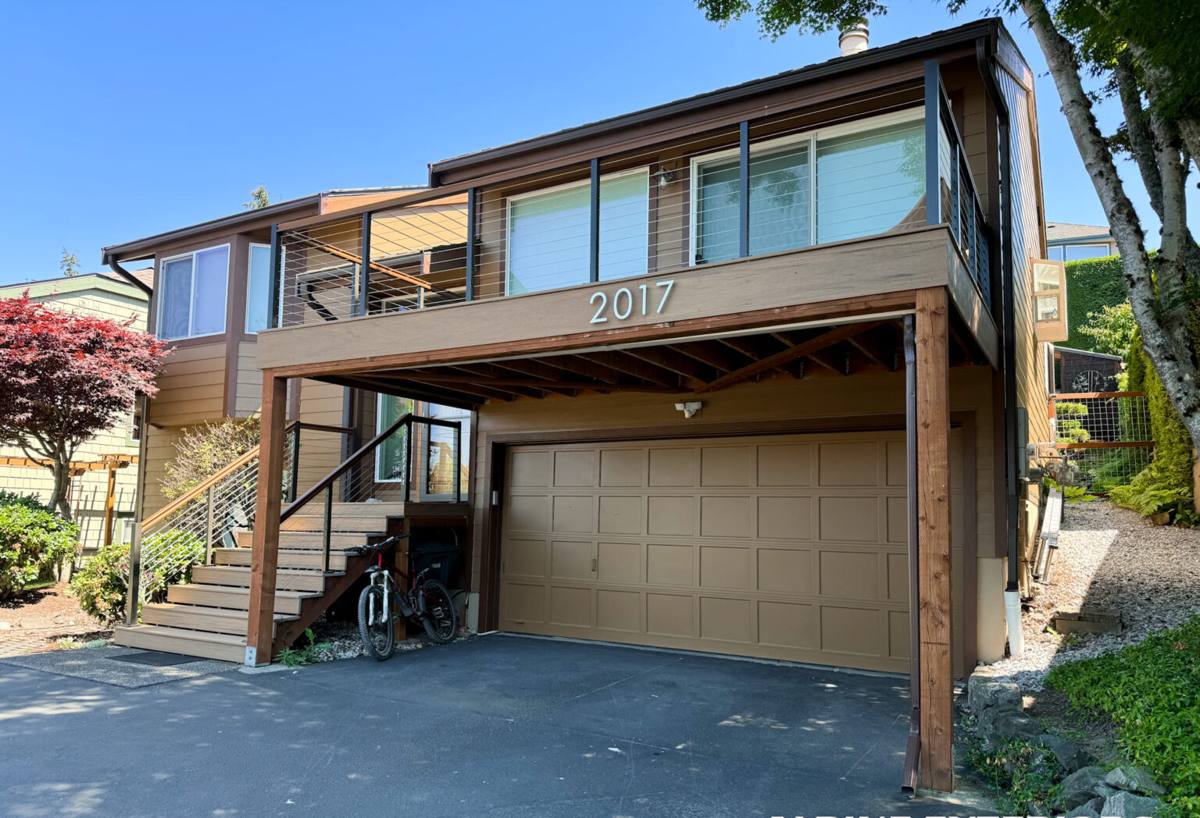
What We Commonly Find on Big Lake Homes
Every house is different, but a few patterns show up often enough around the lake that they're worth mentioning plainly:
- Fogged or cloudy double-pane glass — the seal has failed and moisture is trapped between the panes
- Soft or discolored wood at the sill or lower frame corners, especially on lake-facing walls
- Windows that stick, won't latch tight, or let in a draft you can feel on a windy day
- Condensation forming on the inside of the glass through fall and winter
- Visible gaps or cracked caulk around the exterior trim where the frame meets the siding
- Moss or algae staining on the sill or on siding just below the window
Any one of these on its own might just need attention. Several at once, or wood that's gone soft rather than just discolored, usually means it's time to talk replacement rather than repair.
Why "Custom" Matters Here More Than in a Typical Neighborhood
We use the word "custom" for a specific reason: very few homes around Big Lake have standard, off-the-shelf window openings. Older cabins were often built without a lot of concern for matching modern sizing, additions get tied into original framing at odd angles, and lakefront homes frequently have larger picture windows or unusual configurations built to capture the view. Ordering a stock size and forcing it into a non-standard opening is how you end up with gaps that get packed with extra caulk and foam — which fails faster than a properly sized unit, especially in a wet climate.
Custom sizing means the window is built to match the actual opening, verified with our own measurements, not just the number written down from a prior renovation or the builder's original plans. It costs a little more up front. It's also the difference between a window that seals correctly for twenty-plus years and one that starts leaking within a few winters.
Getting the Installation Right — Not Just the Window Itself
Flashing and Water Management
In a climate with as much driving rain as we get here, the window unit itself is honestly the easy part — most reputable manufacturers build a decent product. Where jobs go wrong is the flashing and the water management around the rough opening. Done correctly, every window gets a sill pan to catch and direct any water that gets past the exterior seal, flashing tape integrated with the house wrap in the right shingle-lap order (so water sheds down and out, never behind the barrier), and sealant used only where it belongs — not as a substitute for proper flashing. Skipping or rushing this step is the single biggest cause of hidden rot we find behind older windows in this area.
Frame Material Fit for Local Conditions
We steer most Big Lake customers toward vinyl or fiberglass frames for anything facing the lake or getting significant weather exposure, and we're upfront about why: solid wood frames look great and plenty of people still want them for style reasons, but they need consistent maintenance — repainting, caulk checks, sealing end grain — to hold up in a damp, shaded environment. That's a real maintenance commitment, not a knock on wood as a product. If a homeowner wants a wood interior look with better weather resistance outside, wood-clad options split the difference, though they carry a different price point and their own maintenance profile at the clad seams.
Frame Material Comparison for Lake-Adjacent Homes
| Frame Type | Moisture Resistance | Maintenance | Typical Cost Position |
|---|---|---|---|
| Vinyl | Very good — won't rot, doesn't need painting | Low — occasional cleaning | Lower to mid-range |
| Fiberglass | Excellent — stable in wet/dry cycling, holds paint well | Low to moderate | Mid to upper-mid |
| Wood-clad | Good on exterior; interior wood needs protection from indoor humidity | Moderate — watch clad seams and interior finish | Upper |
| Solid wood | Fair — dependent entirely on maintenance schedule | High — repaint/reseal on a regular cycle | Upper |
None of these is the "wrong" choice across the board — it depends on how much exposure a given wall gets, how the home is shaded, and how much upkeep a homeowner wants to take on. Part of our estimate visit is looking at each opening individually rather than recommending one frame type for the whole house by default.
Glass and Energy Performance
Skagit County doesn't see extreme heat, but it does see a real temperature swing between damp winter nights and warmer summer afternoons, plus a lot of low-angle sun reflecting off the lake itself. A couple of things matter more here than people expect:
- Low-E coatings help manage both heat loss in winter and glare/heat gain off lake-reflected sun in summer
- Argon or krypton gas fill between panes improves insulation value without changing the window's look
- Proper U-factor for our climate zone reduces interior condensation, which is often more about window performance than about how humid the room is
- Warm-edge spacers between panes reduce the cold spot at the glass edge where condensation and, eventually, seal failure usually start
If a window is fogging between the panes, that's a failed seal — no amount of cleaning fixes it, and it's a sign the unit needs replacing rather than repairing.
Our Process for a Big Lake Window Job
We keep this straightforward and try not to make it more complicated than it needs to be:
- On-site visit to measure every opening individually and look at the current flashing, sill condition, and any existing water damage
- Honest walkthrough of frame and glass options based on each window's exposure — lake-facing walls often get a different recommendation than a sheltered side of the house
- Written estimate with the specifics of what's being replaced, not just a lump sum
- Removal of the old unit with a check of the framing underneath for rot before anything new goes in
- Installation with sill pans, correctly lapped flashing tape, and insulation/sealant in the right places — not used to paper over a bad fit
- Final check of operation, seal, and exterior trim before we call the job done
If we open up a wall and find rot or damage beyond the window itself, we'll stop and talk to you about it before proceeding — we don't like surprises on the invoice any more than you do.
Why Hiring a Crew That Already Works Big Lake Matters
A lot of window companies will happily sell you a good window and install it to a generic standard that works fine in a drier part of the state. Big Lake isn't that environment. Crews who don't regularly work lake-adjacent, moisture-heavy sites in Skagit County sometimes miss the extra step of a sill pan, under-lap the flashing tape, or don't budget time to check framing condition before closing the wall back up — not out of carelessness, but because it's not the habit they've built on drier jobs. We've done enough of these installations around Burlington and the lake to build that into the process automatically, and it doesn't add meaningfully to the cost or timeline to do it right.
There's also a practical side to being local: if something needs a warranty check or a follow-up adjustment a year or two down the road, you're calling a crew that's a short drive away and already knows your house, not waiting on someone to travel in from out of the area.
What to Expect Cost-Wise
Every home and opening is different, so we won't give you a number that doesn't mean anything until we've measured. In general, cost is driven by a handful of factors:
| Factor | Effect on Cost |
|---|---|
| Window size and configuration (standard vs. large picture window) | Larger and custom shapes cost more in unit price |
| Frame material chosen | Vinyl generally lowest, wood and wood-clad highest |
| Condition of existing framing | Rot repair adds labor and material beyond the window itself |
| Number of openings done at once | Doing several windows together typically reduces per-window labor cost |
| Access and height | Second-story or hard-to-reach openings take more time |
We'd rather walk your specific windows and give you real numbers than quote a range that doesn't reflect your house.
Signs It's Time to Call
- Fogging or cloudiness trapped between the panes
- A window that's hard to open, close, or lock properly
- Soft wood, peeling paint, or staining at the sill or lower frame
- Noticeable draft or a cold spot near the window in winter
- Condensation on the inside glass that doesn't go away with ventilation
- Visible gaps between the frame and siding, or cracked exterior caulk
If your windows around Big Lake are showing any of this, it's worth having someone look before small issues turn into framing repairs. We're happy to come take a look, tell you honestly what we see, and put together a straightforward, no-pressure estimate — free of charge, with no obligation to move forward.