 Burlington
 Clear Lake's Climate Is Harder on Siding Than It Looks
Clear Lake sits in the trees, and that shade is a double-edged sword. It keeps homes cooler in summer, but it also means siding on the shaded, north-facing, and lake-facing walls of these houses dries out slower after every rain. Add in the marine-influenced, humid air that moves through Skagit County off the Sound and up the valley, and you get long stretches where wall surfaces simply stay damp. That combination — shade, humidity, and standing moisture — is exactly what moss and algae need to take hold, and once a home has a few seasons of moss creeping up from the foundation line or building up under gutters and eaves, the underlying siding is holding water far longer than it was designed to.
Layer on the driving rain that comes through this part of Western Washington several months a year, often blown sideways by wind off the water, and you've got a climate that tests every seam, joint, and piece of trim on a house. Siding here isn't just cosmetic — it's the first and most important line of defense against a slow, expensive moisture problem. Homes around Clear Lake that get an average, one-size-fits-all siding job tend to show it early: streaking, soft trim, and paint that fails years ahead of schedule.
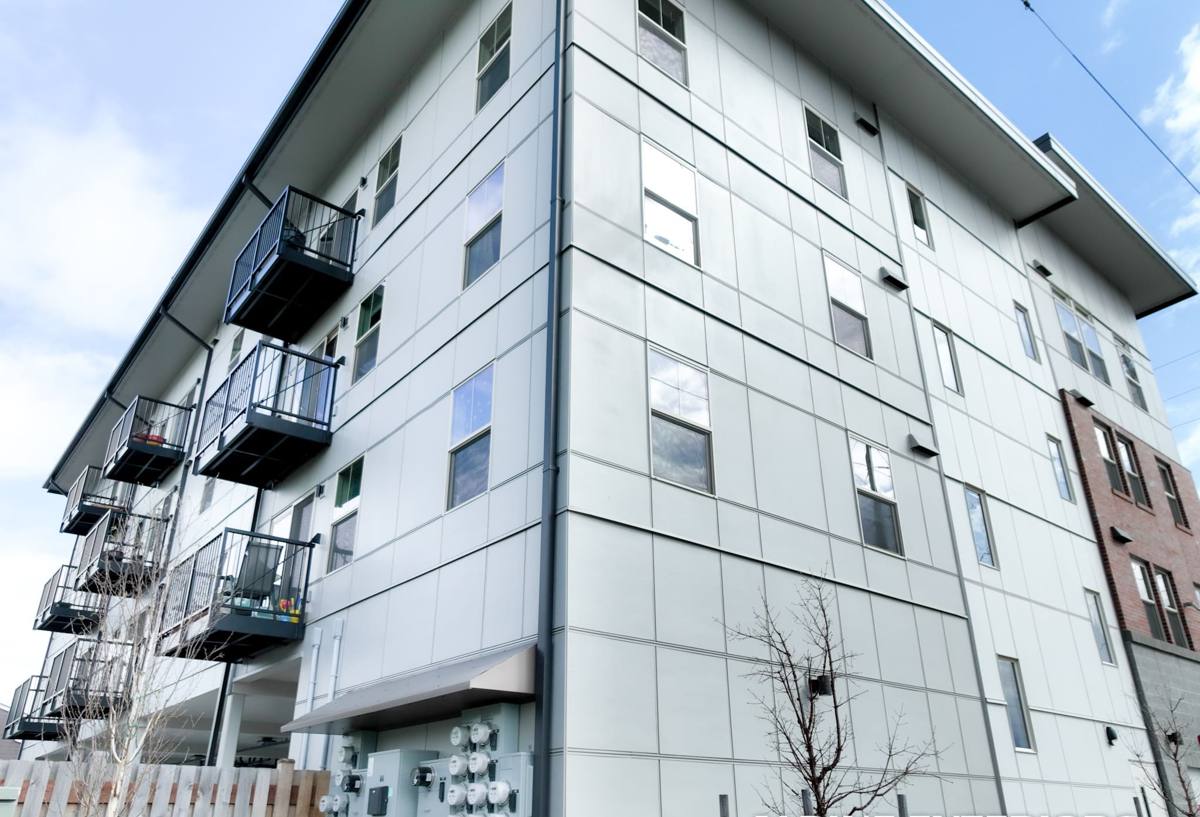
Why We Only Install Fiber Cement Here
We build every job on James Hardie fiber cement siding, and we don't install vinyl, LP SmartSide, primed wood, cedar, or other fiber cement brands. That's a deliberate standard, not a sales pitch, and it comes down to how each material actually holds up in this specific climate rather than in a showroom.
What Fiber Cement Gets Right for a Shaded, Wet Lot
Fiber cement is dimensionally stable — it doesn't swell, cup, or rot the way wood-based products can when they stay damp for extended periods, and it won't soften or deform under sustained moisture the way engineered wood siding can if a seam ever fails. It's also non-combustible, which matters more every year as wildfire smoke and dry-season fire risk become a bigger part of Pacific Northwest summers, even on the wetter west side of the Cascades. For a lot with tree cover and long damp stretches, a material that doesn't care about that moisture cycle is the right starting point.
Why ColorPlus Matters Specifically Here
James Hardie's ColorPlus factory finish is baked on and cured before the boards ever reach the site, which gives it far better resistance to fading and moisture-driven paint failure than a field-applied paint job. On a home that's shaded most of the day and rained on most of the year, that finish is what keeps color even from wall to wall instead of showing chalking or streaking first on the damp, low-sun sides of the house.
What a Correct Installation Involves
Fiber cement is only as good as the installation behind it. The material is forgiving of moisture once it's properly installed — but installed wrong, it will trap water just like anything else, and on a shaded Clear Lake lot that mistake shows up faster than it would on a sunny, open site.
The Details That Actually Matter
- Correct clearance from grade, decks, and roof lines so the bottom edge of the siding never sits in standing water or snow melt
- Proper flashing at every window, door, and horizontal trim transition, lapped so water sheds outward and down, never behind the cladding
- Manufacturer-spec fastening — right nail type, right depth, right spacing — so boards aren't over-driven or left loose enough to work in wind
- Correctly sized gaps at butt joints and trim, caulked with a product rated for this climate rather than a generic sealant
- A drainage plane and house wrap detailed so any moisture that does get behind the cladding has somewhere to go
Mistakes We See on Older Jobs Around the Lake
The recurring problems we get called out to inspect are almost always installation issues, not material failures: siding installed tight to grade or against deck ledgers with no clearance, face-nailing done too shallow or too deep, caulk used in place of proper flashing, and trim boards left unsealed at end cuts where they take on water fastest. Every one of those is preventable with the right sequence and the right details, which is the whole point of hiring a crew that treats installation as seriously as the material choice.
Our Process for a Clear Lake Job
We start with a walk of the exterior, checking not just the current siding but the trim, flashing, and any spots where moss or staining suggests moisture has been sitting. On shaded and lake-facing walls we look closer, since that's where the humidity and reduced sun exposure do the most damage over time. If there's any question about what's happening behind the existing siding, we open it up before we quote the job rather than guessing.
From there we plan the tear-off and inspect the sheathing underneath — this is the step that catches problems before they get covered up again. Any soft or water-damaged sheathing gets replaced, not sided over. We install a proper weather-resistive barrier, detail flashing at every penetration and trim line, then install the Hardie boards to manufacturer spec for fastening, clearance, and joint treatment. We caulk and finish trim last, and we walk the job with the homeowner before we call it done.
Cost Factors on a Typical Job
| Factor | Why It Moves the Price |
|---|---|
| Tear-off vs. install over existing wrap | Full tear-off costs more but is the only way to inspect and fix sheathing underneath |
| Amount of trim, corners, and window detail | More cuts, more flashing, more labor hours per square of coverage |
| Home height and access | Multi-story sections and steep or wooded lots slow staging and setup |
| Existing moisture or sheathing damage | Repair or replacement of rotted material adds cost that's only known once walls are opened |
| Siding profile chosen | Lap, shingle, and panel profiles carry different material and labor rates |
| Color and finish options | Factory ColorPlus finishes vs. field-painted affect both material cost and long-term upkeep |
We give a firm number after that initial inspection, not before — a quote based on a drive-by or a photo isn't accounting for what's actually happening at the sheathing level, and on a shaded, wet lot that's the piece that matters most.
Living With Fiber Cement in a Moss-Prone Spot
Fiber cement holds up to moisture far better than wood-based siding, but nothing stops moss and algae from growing on a shaded, damp surface if it's never cleaned. The good news is that maintenance here is simple and infrequent compared to a wood or engineered wood exterior.
A Realistic Seasonal Checklist
- Rinse siding gently once or twice a year, focused on shaded and lake-facing walls where moss and algae build up first
- Keep tree branches and shrubs trimmed back a few inches from the siding so walls get airflow and sun exposure
- Check caulking at trim and joints annually for cracking or separation, especially after a hard winter
- Clear debris from gutters and make sure downspouts direct water away from the foundation, not back toward the siding base
- Walk the lower courses each fall looking for staining or soft spots near grade before winter rains set in
None of that is heavy maintenance — it's the kind of upkeep any exterior in this climate needs, and it's a lot less than what wood siding demands to avoid rot in the same conditions.
Why It Matters That We Already Work Clear Lake
A lot of siding problems around the lake trace back to a crew that installed the same way they would on a dry, open lot somewhere else — because that's the only condition they'd ever built for. Working this area regularly means we already know which walls need extra attention to flashing and clearance, how tree cover changes drying time, and how driving rain off the water behaves against a lake-facing elevation. That's not a marketing line — it changes real decisions on site, like where we add extra flashing detail or which walls get closer attention during the walk-through.
It also means straightforward logistics: we know the roads, the permitting expectations for the area, and how to schedule around this county's wetter stretches so a tear-off isn't left exposed longer than it needs to be. For a homeowner, that translates into fewer surprises and a job that's built for the specific conditions of the lot, not a generic install plan.
Get a Straight Answer on Your Home
If you're dealing with moss buildup, failing paint, or siding that's simply due for replacement on a Clear Lake property, we're happy to take a look and give you an honest read on what's going on and what it'll take to fix it right. There's no pressure and no obligation — just fill out the form below for a free estimate.