 Burlington
 Siding Installation in Clear Lake: Built for What the Weather Actually Does Here
Clear Lake sits in the kind of setting a lot of people move to Skagit County for — wooded lots, mature evergreen cover, and enough distance from the highway to feel rural even though Burlington is close by. That setting is also exactly what makes siding installation here different from a straightforward in-town job. Tree canopy holds moisture against exterior walls longer after a storm passes. Marine air moving up the valley carries salt and humidity that don't stop at the coastline. And the region's driving, wind-pushed rain finds every weak seam, gap, or fastener a lesser installation left behind. A siding job that looks fine on install day but wasn't built for this specific combination of conditions tends to show its problems within a few wet seasons, not a few decades.
This page is about one thing: what it actually takes to install siding correctly on a Clear Lake home, given the climate it has to survive, and why the crew doing that work matters as much as the material itself.
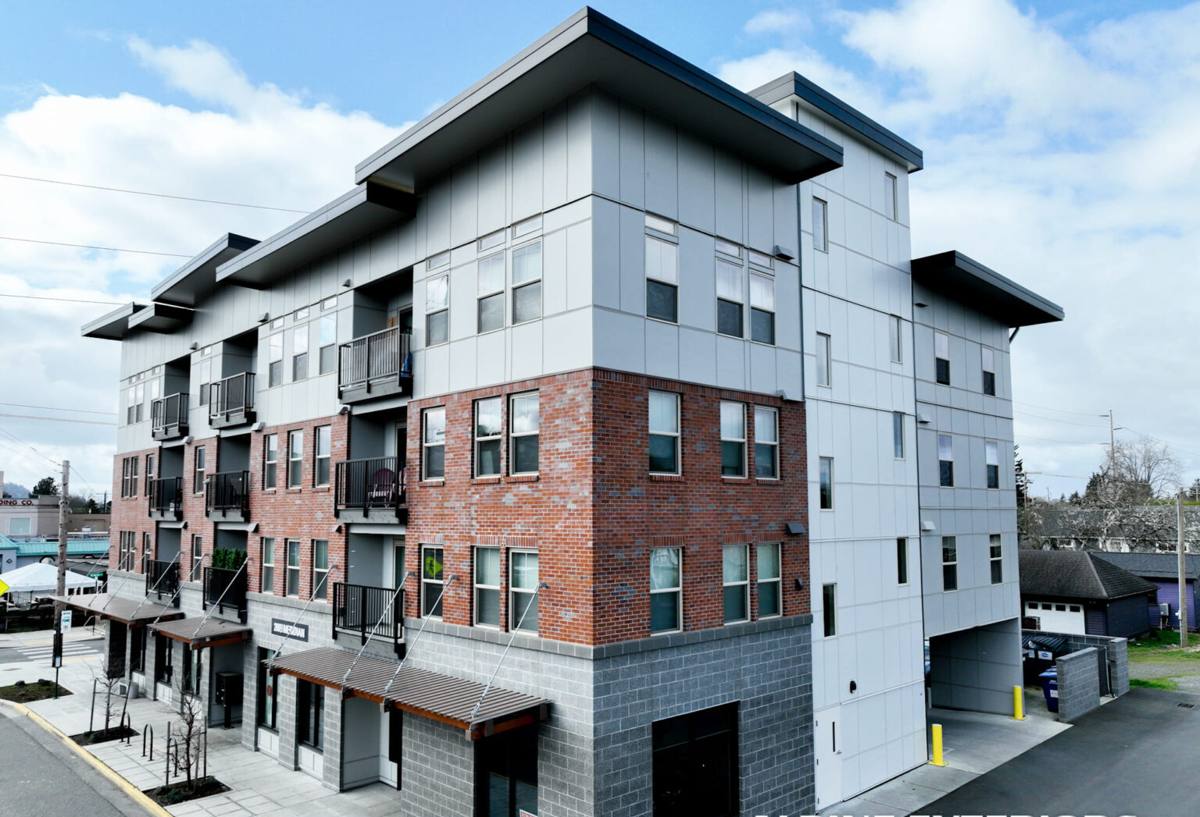
What Skagit County Weather Does to Siding Over Time
Driving Rain and Wind-Driven Moisture
Rain in this part of Washington doesn't just fall — it's frequently pushed sideways by wind off the Sound and up the valley. That matters because siding isn't a solid, waterproof shell; every system is designed to shed water that gets behind the surface layer through a drainage plane and weather-resistive barrier. Wind-driven rain finds any place that plane was installed sloppily — a missing kick-out flashing, a butt joint that wasn't backed properly, a nail driven too tight against the panel. Small gaps that would go unnoticed in a drier climate become a slow leak path here.
Moss, Algae, and Constant Shade
Clear Lake's tree cover is part of what makes it a nice place to live, but shaded exterior walls that stay damp longer after rain are exactly where moss and algae take hold. On some materials that's a cosmetic nuisance you can pressure-wash off. On others, it's a moisture-retention problem that slowly breaks down the substrate underneath. A long moss season here means siding has to tolerate sustained dampness without softening, swelling, or feeding organic growth into its surface.
Salt Air and Metal Components
Skagit County's proximity to Puget Sound means salt-laden air moves through the region more than people expect for an area that doesn't feel "coastal." Salt air accelerates corrosion on fasteners, flashing, and trim that aren't rated for it, and it can degrade lower-grade paint finishes faster than a standard exterior-grade coating would suggest. Any siding installation in this area needs corrosion-resistant fasteners and flashing details as a baseline, not an upgrade.
Why We Install Only James Hardie Fiber Cement Siding
We made a decision as a company to install one siding system: James Hardie fiber cement. We don't install vinyl, LP SmartSide, Cemplank, Allura, primed spruce, or cedar. That's not a marketing angle — it's a standard we hold because of what we've seen these materials do (or not do) when they're asked to perform in exactly the conditions Clear Lake sees every year.
Fiber cement is non-combustible, which matters more each year as wildfire risk becomes part of the conversation even west of the Cascades. It's dimensionally stable, meaning it doesn't expand and contract with moisture the way wood-based products do, which is a real advantage in a climate where the substrate is rarely fully dry. James Hardie's ColorPlus finish is baked on at the factory under controlled conditions, which gives it a more consistent, fade- and moisture-resistant top coat than field-applied paint typically achieves. And Hardie engineers specific product lines — its HZ5 line, for instance — for climate zones defined by exactly this kind of freeze-thaw, moisture, and moss exposure, rather than shipping one generic product to every region in the country.
None of that means other materials are without merit — vinyl is inexpensive, cedar has real aesthetic appeal, and engineered wood has improved over the years. But when we weighed long-term moisture behavior, maintenance burden, and how each product actually performs on a home under mature tree cover in Skagit County, fiber cement was the one we were willing to put our name behind.
What a Correct Siding Installation Involves
The material is only part of the equation. A correctly installed siding system, on any home in this climate, includes:
- A continuous weather-resistive barrier behind the siding, with no gaps, tears, or unsealed penetrations
- Properly lapped and sealed house wrap or building paper at every seam, working top-down so water sheds outward
- Flashing at every window, door, deck ledger, and roof-to-wall intersection — not caulk used as a substitute for flashing
- Correct fastener placement and spacing per the manufacturer's published installation instructions, not "close enough"
- Proper clearance between the bottom of the siding and grade, decks, patios, and roof lines to avoid wicking moisture
- Factory-primed or factory-finished cut edges sealed in the field, since a raw cut edge is the most vulnerable point on any fiber cement panel
Skipping any one of these doesn't usually cause an obvious problem in year one. It shows up two, five, or ten years later as staining, soft trim, or a callback that costs far more to fix than it would have to do correctly the first time.
How James Hardie Compares to Other Common Options in This Area
Homeowners in Clear Lake and the surrounding Burlington area typically consider a handful of materials when siding comes up. Here's an honest look at how they stack up against the conditions this region puts them through.
| Material | Moisture / Moss Resistance | Maintenance | Typical Lifespan | Fire Rating |
|---|---|---|---|---|
| James Hardie fiber cement | Strong — dimensionally stable, factory-finished surface resists moisture uptake | Low — periodic washing, no repainting cycle in most cases | 30+ years with correct install | Non-combustible |
| Vinyl | Moderate — doesn't rot, but seams and panels can trap moisture behind them | Low, but cracks and fades with UV/age and can't be easily repaired | 15-25 years | Combustible |
| Cedar | Weak in shaded, damp settings without diligent upkeep | High — regular sealing/staining and moss treatment required | Varies widely with maintenance | Combustible |
| Engineered wood (e.g. LP SmartSide) | Moderate — better than raw wood, but edges and cuts remain moisture-sensitive | Moderate — repainting and edge sealing over time | 20-30 years, install-dependent | Combustible |
This isn't a claim that every alternative fails — it's why, for the climate Clear Lake sits in, we standardized on the one option in this table that holds up with the least ongoing intervention.
Our Installation Process for Clear Lake Homes
The steps don't change much from house to house, but the details we pay closer attention to shift based on tree cover, sun exposure, and how exposed a given wall is to prevailing wind and rain.
- On-site assessment — we look at existing siding condition, sheathing access points, shaded and exposed elevations, and any signs of past moisture intrusion before we quote anything
- Removal of existing siding — done carefully to expose the sheathing and weather barrier underneath so we can actually see what's there, not guess at it
- Sheathing and moisture barrier inspection — any soft, water-damaged, or compromised sheathing gets addressed before a single new panel goes up; installing new siding over a bad substrate just hides the problem
- House wrap and flashing installation — installed and lapped to manage water exactly the way this climate requires, with particular attention to window and door openings
- James Hardie panel or lap installation — installed to manufacturer spec for fastener type, spacing, and clearance, with cut edges sealed in the field
- Trim, corners, and detail work — the places most jobs cut corners are usually corners, literally, and penetrations for vents, hose bibs, and utility lines
- Final walk-through — we go over the finished job with the homeowner before we consider it done
Cost Factors for Siding Installation in the Clear Lake Area
Every home is different, so we don't publish flat prices, but the factors that actually move the number are consistent:
| Factor | Why It Matters |
|---|---|
| Home size and wall complexity | More square footage and more corners, gables, and dormers mean more material and labor |
| Tear-off vs. install over existing siding | Removal and disposal of old siding adds cost but is often necessary to inspect the sheathing underneath |
| Existing moisture damage | Rot or compromised sheathing found during tear-off needs repair before new siding goes on |
| Trim and detail complexity | Homes with extensive trim, shutters, or architectural detail take more time to do correctly |
| Site access | Wooded or sloped lots common around Clear Lake can affect staging, scaffolding, and material handling |
| Product line and color | James Hardie's various lines and ColorPlus finish options carry different material costs |
Questions Worth Asking Before You Hire
Siding installation is one of those projects where the quality of the install matters as much as the material, and it's hard to judge either from the street. Before hiring anyone for a project in Clear Lake or the greater Burlington area, it's worth asking:
- Do you install to the manufacturer's published specifications, and can you explain what that involves?
- How do you handle flashing at windows, doors, and roof intersections?
- What happens if you find water damage or soft sheathing once the old siding comes off?
- Are your fasteners and trim rated for the corrosion this area's salt air can cause?
- Do you carry manufacturer certification for the specific siding system you're installing?
- What does your warranty actually cover — material, labor, or both — and for how long?
Why a Crew That Already Works Clear Lake Matters
There's a difference between a crew that's installed siding in dozens of climates and one that installs it in this one, repeatedly, and has seen how it ages here. A local crew knows which elevations in a shaded, wooded lot need extra flashing attention, understands how long moss season actually runs in Skagit County, and has already worked through the permitting expectations for this area. That familiarity shows up less in the sales pitch and more in the small decisions made on the ladder — where an extra strip of flashing goes, how tight a gap is left at a butt joint, which cut edges get sealed before they're covered. Those are the details that determine whether a siding job still looks and performs well ten years from now, long after the driving rain and moss have had their chance to find every shortcut.
If you're weighing a siding project for a home in the Clear Lake area, we're happy to walk the property, look at what's there now, and give you a straightforward, no-pressure estimate for doing it right with James Hardie siding — just fill out the form below.