 Burlington
 Siding in Blanchard Has to Answer to the Weather First
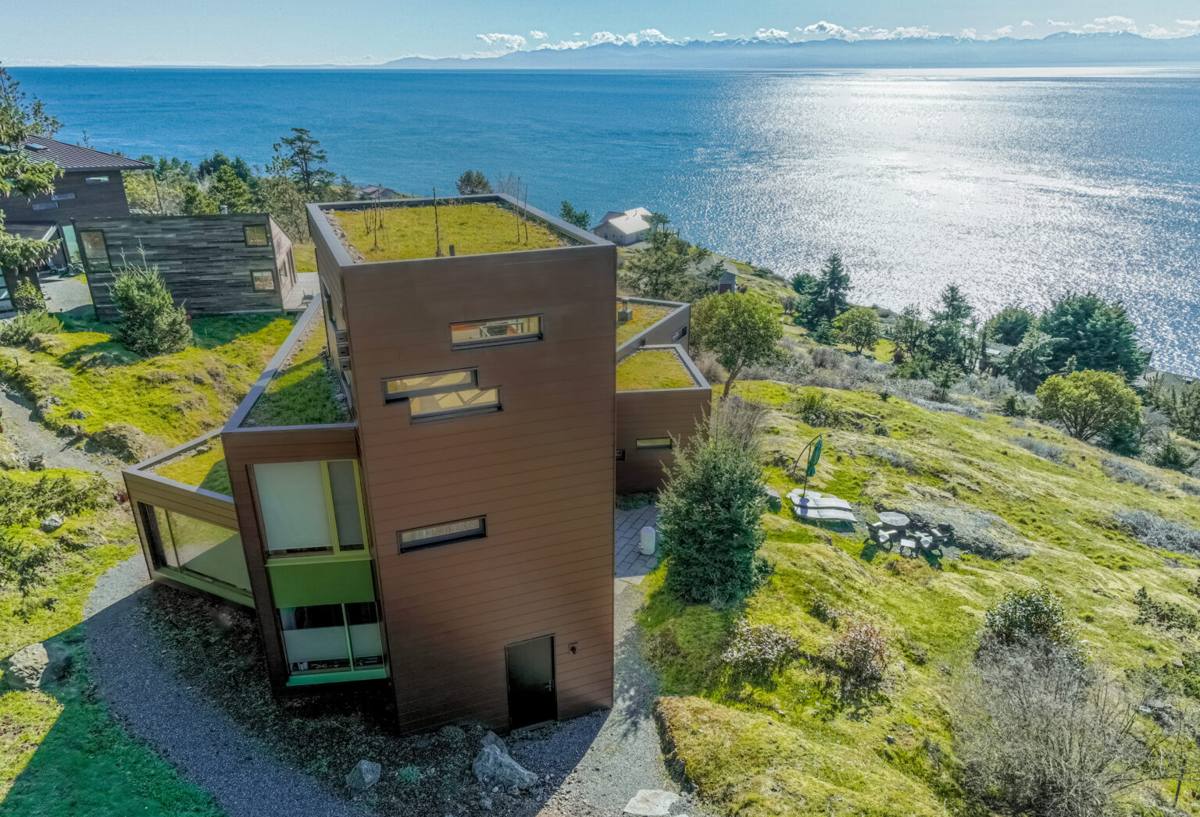
Blanchard sits in that stretch of Skagit County where the terrain does something most siding never has to deal with: it's close enough to salt water to pick up airborne salt, low enough and shaded enough in places to hold moisture and grow moss, and exposed enough on the open flats and hillsides to take wind-driven rain straight into the wall. Any one of those conditions is manageable. Together, over years, they expose every weak point in a siding system — the seams, the fasteners, the paint film, the bottom edge closest to the ground.
This page is about one thing: doing James Hardie fiber cement siding correctly on a Blanchard home, and why that's a different job than doing it in a drier inland town. We only install James Hardie products, so everything below reflects how we actually spec and install it here — not a generic overview.
What Blanchard's Climate Actually Does to Siding
Salt Air
Blanchard's proximity to Puget Sound and Samish Bay means fine salt particulate rides in on the wind, especially during winter storms. Salt is hygroscopic — it pulls moisture out of the air and holds it against whatever surface it lands on. On siding, that means a slower drying cycle after every rain, more time spent damp, and accelerated corrosion on any exposed metal fastener or trim piece that isn't rated for it.
Driving Rain
Storms coming off the water don't just fall straight down here — they come in sideways. That matters enormously for siding because wind-driven rain gets forced into laps, seams, and butt joints that would stay dry in a calm rain. A siding system that's only detailed for vertical rainfall will leak in Blanchard eventually. The house wrap, flashing, and lap geometry all have to assume horizontal water pressure.
Moss and Sustained Dampness
Skagit County's moss season runs long — shaded north walls, tree-lined lots, and the general Pacific Northwest damp mean organic growth gets a real foothold on any surface that stays wet. Moss and algae hold moisture against the substrate underneath them, which is exactly the condition that rots wood-based siding and degrades paint film on lesser materials.
Why Fiber Cement Handles This Better
- James Hardie siding is cement, sand, and cellulose fiber — it doesn't absorb and swell with moisture the way wood-based or engineered wood products can
- It won't rot, and it isn't a food source for the mold and mildew that thrive in a damp coastal microclimate
- ColorPlus factory-applied finish resists fading and holds up to the UV and salt exposure better than field-applied paint, which means fewer repaint cycles over the life of the siding
- It's non-combustible, which matters less for weather and more for the fact that it's simply a more stable, predictable material to build a 30-40 year exterior around
What a Correct James Hardie Install Looks Like Here
The material is only half the equation. A James Hardie install done wrong in Blanchard's climate will still fail — just more slowly than a cheaper product would. Here's what we hold to on every job in this area:
Water Management Behind the Siding
We install a weather-resistant barrier with properly lapped and taped seams, and we flash every penetration — windows, doors, hose bibs, light fixtures — so water that does get past the siding face has a drainage path down and out, not a path inward. Given how much wind-driven rain this area sees, we don't treat a drainage plane as optional.
Fastener and Clearance Details
We follow James Hardie's fastening specs for this climate zone — corrosion-resistant fasteners, correct penetration depth, and correct spacing so the boards can move with temperature and moisture changes without cracking or popping. We also hold the manufacturer's minimum clearance between the bottom of the siding and grade, decks, roof lines, and hardscaping. Skimping on that clearance is one of the most common ways siding in wet coastal climates fails early, because it keeps the bottom course of siding sitting in a wet zone permanently.
Joints and Caulking
Butt joints get treated as a weak point by design, not an afterthought — proper flashing or a rated joint treatment behind them, and quality sealant where sealant is actually specified (not as a substitute for flashing). In a driving-rain environment, a caulk-only joint is a maintenance liability waiting to happen.
Product Line Selection
James Hardie makes climate-specific HZ formulations. For a location like Blanchard, we select and detail the system with the moisture and temperature swings of this specific corner of Skagit County in mind, rather than defaulting to a one-size-fits-all spec.
| Install Detail | Why It Matters in Blanchard |
|---|---|
| Taped, lapped weather barrier | Stops wind-driven rain from tracking behind the siding face |
| Correct grade clearance | Keeps the bottom course out of standing moisture and splash-back |
| Corrosion-resistant fasteners | Salt air accelerates rust on the wrong hardware |
| Flashed butt joints | Butt joints are the first place driving rain finds a way in |
| ColorPlus factory finish | Holds color and film integrity against UV, salt, and damp better than field paint |
Why We Only Install James Hardie
We get asked, especially by homeowners comparing quotes, why we don't offer vinyl, LP SmartSide, or a cheaper fiber cement alternative. The honest answer is that we build our whole install process — training, fastening specs, flashing details, warranty paperwork — around one product system, and we think that specialization produces a better result than trying to be competent at five different products at once. James Hardie's factory finish, engineered moisture resistance, and manufacturer-backed warranty structure line up with what this climate demands. That's a defensible standard we can put our name behind, not a sales pitch.
Our Process for a Blanchard Job
- On-site assessment — we look at your home's specific exposure: which walls take the worst weather, where moisture is already showing up, and what the substrate underneath the existing siding looks like
- Product and color selection — choosing the right HZ product line and ColorPlus finish for your home's exposure and your preference
- Tear-off and substrate check — removing the old siding and addressing any sheathing or framing damage before anything new goes up, since covering a wet or rotted substrate just hides the problem
- Weather barrier and flashing install — the water management layer, done to spec, before a single piece of siding is hung
- Hardie installation — fastened, lapped, and jointed to manufacturer specification and to what this climate actually requires
- Final walkthrough — checking clearances, caulking, and finish before we call the job done
Why Hiring a Crew That Already Works Blanchard Matters
Siding crews that mostly work drier inland areas can install a technically correct product and still miss the details that matter here — grade clearance, joint flashing sequencing, fastener choice — because those details matter less where they usually work. A crew that's used to Skagit County's coastal-influenced weather already treats those steps as non-negotiable, not extra. That's less about brand loyalty to us and more about making sure whoever does the work understands what driving rain and salt air will actually do to a wall over the next twenty years.
Maintenance Expectations for This Area
- Rinse siding periodically to keep salt residue and organic buildup from accumulating, especially on north-facing and shaded walls
- Keep gutters clear so overflow doesn't run down the siding face repeatedly in one spot
- Trim back vegetation that keeps a wall section shaded and damp longer than the rest of the house
- Have caulked joints and trim checked periodically — sealant is a wear item, even on a well-detailed install
- Watch the bottom courses near grade and any deck or patio contact points, since that's where moisture problems tend to start first
What This Costs to Do Right
Pricing depends on your home's size, the condition of the substrate underneath the existing siding, and the trim and finish details you choose. In general, expect fiber cement to price above vinyl and below higher-end wood siding systems, with the difference showing up over time in reduced repainting, repair, and replacement costs rather than in the sticker price alone. We'll give you a specific number after we've actually looked at your walls — not before.
If you're planning a siding project in Blanchard and want a straight answer about what your home needs, we're happy to take a look and walk you through it. Reach out for a free, no-pressure estimate — there's a form below.