 Burlington
 Roofing in La Conner Isn't the Same Job as Roofing Inland
La Conner sits right on the water along the Swinomish Channel, and that waterfront setting changes what a roof has to deal with day in and day out. Homes here get more salt-laden air moving off the channel, more wind-driven rain coming in sideways off Skagit County storms, and a moss season that runs longer than most homeowners expect because of the shade, humidity, and mild temperatures typical of this part of the Puget Sound region. A roof replacement done the way it's done in a drier, more sheltered town doesn't hold up the same way out here. We work on roofs in and around La Conner regularly, and the difference in wear patterns compared to homes just a few miles inland is real and consistent.
This page is about one job, done right, in one place: full roof replacement for La Conner homes, built around what this specific climate actually does to a roof over ten, twenty, and thirty years.
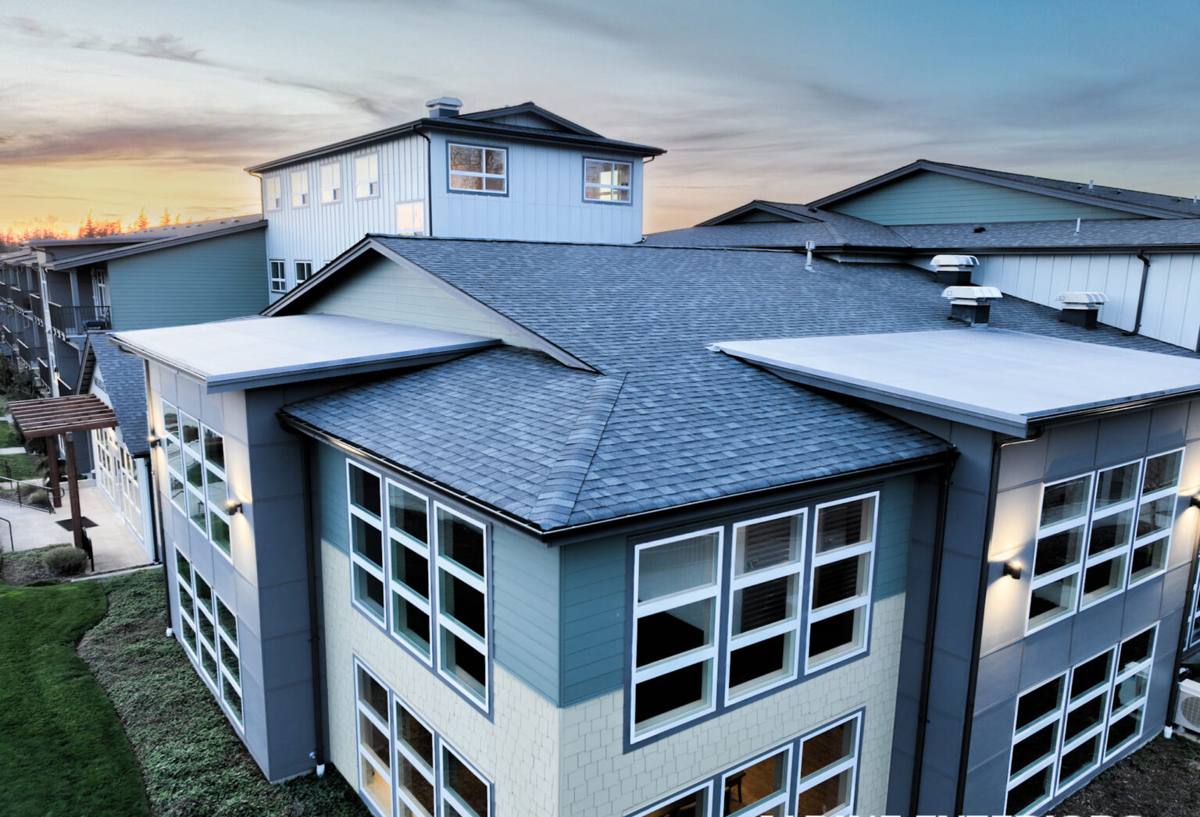
What Salt Air, Driving Rain, and Moss Actually Do to a Roof
Salt Air and Corrosion
Salt in the air doesn't just sit on the surface — it works its way into any exposed metal on the roof: nail heads, flashing, drip edge, vent stacks, and gutter hangers. Ordinary electro-galvanized fasteners and low-grade flashing can start showing rust streaks and pitting years before they would inland. Once a fastener corrodes, it loses holding strength, and once flashing corrodes, it stops shedding water the way it's supposed to. This is a slow process, which is exactly why it gets missed — nobody notices a fastener quietly weakening until a shingle lifts in a windstorm.
Wind-Driven Rain
Storms coming off the water don't just drop rain straight down — they push it sideways, up under shingle tabs, into valleys, and behind flashing that's only doing a marginal job. A roof that would keep a home dry in a calm, vertical rain can still leak in a driving, horizontal one if the underlayment, laps, and flashing details weren't built for that kind of exposure. This is one of the most common reasons we find hidden moisture damage on otherwise "fine-looking" roofs in this area.
Moss and Algae
Shaded, north-facing slopes and roofs near trees stay damp longer here than they would in a sunnier climate, and moss thrives in exactly that condition. Moss isn't just cosmetic — its root structure lifts shingle edges, holds water against the roofing material, and accelerates granule loss on asphalt shingles. Left unchecked over several seasons, a moss mat can shorten a roof's usable life by years and create the kind of trapped moisture that leads to deck rot underneath.
Signs a La Conner Roof May Be Ready for Replacement
Some of these show up from the ground; others only show up in the attic or up close. A single item on this list doesn't always mean replacement is urgent, but two or three together usually does.
- Granule loss heavy enough that shingles look patchy or the color has gone uneven
- Shingle edges curling, cupping, or looking brittle rather than flat
- Thick moss mats, especially on shaded or north-facing sections of the roof
- Rust streaking or visible corrosion on flashing, vent boots, or fastener heads
- Soft spots, sagging, or spongy areas when walked on
- Daylight visible through the roof deck from inside the attic
- Water stains on ceilings or attic sheathing, especially after windstorms
- Shingles that have blown off or lifted after a storm, even a small number
- A roof that's 20+ years old and has never had a full tear-off
What a Correct Roof Replacement Involves Here
Tear-Off and Deck Inspection
A real replacement starts with a full tear-off, not a layover. That's the only way to actually see the deck — and in this climate, deck condition matters more than most homeowners realize, because moisture that's been trapped under moss or a failed flashing detail for years often shows up as soft or delaminated sheathing that needs to be replaced before new roofing goes down. Covering that up with a new layer on top doesn't fix it; it just hides it for a while longer.
Underlayment and Flashing Built for Wind-Driven Rain
Given how often rain comes in sideways here, we pay close attention to underlayment coverage, lap direction, and valley and flashing details — the parts of a roof that matter most when water isn't just falling straight down. Ice-and-water style membrane in vulnerable areas (valleys, eaves, around penetrations) and properly lapped synthetic underlayment across the field make the difference between a roof that sheds a driving storm and one that quietly lets water behind the shingles.
Corrosion-Resistant Metal and Fasteners
Because of the salt exposure, we don't treat fastener and flashing choice as an afterthought. Stainless or high-grade coated fasteners and properly finished flashing metals cost a little more up front but hold up dramatically longer near the water than standard-grade hardware. This is one of those decisions that's invisible on install day and very visible ten years later.
Ventilation That Keeps Moisture Moving
A roof deck that can't breathe stays damp longer, and damp decks are what moss and rot both need to take hold. Balanced intake and exhaust ventilation is part of every replacement we do — it protects the new roof from the inside as much as the shingles protect it from the outside.
Material Options and How They Handle This Climate
There's no single "best" roofing material for every La Conner home — it depends on the home's style, budget, sun and shade exposure, and how much long-term maintenance the owner wants to take on. Here's an honest comparison of the main options we install.
| Material | Moss & Algae Resistance | Salt-Air Durability | Typical Lifespan | Ongoing Maintenance |
|---|---|---|---|---|
| Architectural asphalt shingle (algae-resistant) | Good, with copper/zinc strip assist on shaded slopes | Moderate — depends on flashing and fastener grade | 25–30 years | Occasional moss/debris removal |
| Standing-seam metal (aluminum or coated steel) | Excellent — moss struggles to grip a smooth metal surface | Very good when the correct alloy and compatible fasteners are used | 40–50+ years | Minimal |
| Cedar shake | Poor in shaded, damp spots without regular treatment | Fair — natural material, more upkeep near salt air | 20–25 years in this climate | High — periodic treatment and moss control |
| Synthetic/composite shingle | Good | Good | 30–50 years, product dependent | Low to moderate |
For homes with heavy shade or a north-facing roof plane, we'll often flag metal or a well-installed algae-resistant asphalt product over cedar, simply because cedar demands the most upkeep in exactly the conditions La Conner has the most of. That's a maintenance-and-moisture conversation, not a knock on cedar as a material — it's about matching the roof to the site.
How We Handle a Replacement, Start to Finish
- Free on-site inspection — we look at the roof, the attic, and the ventilation, not just the shingles from the ground
- A written scope of work with material options and a straightforward estimate, no pressure to decide on the spot
- Scheduling built around weather windows, since we're working around marine-layer weather patterns rather than pretending they don't exist
- Full tear-off and deck inspection, with any soft or damaged sheathing replaced before anything new goes down
- Underlayment, flashing, and fastener choices matched to a waterfront-adjacent climate, not generic minimums
- Installation to manufacturer specification, including proper ventilation balance
- Full site cleanup, including a magnetic sweep for stray fasteners
- A final walkthrough with you and clear paperwork on materials and warranty coverage
Why a Crew That Already Works La Conner Matters
A roofing crew that mostly works drier, more sheltered inland areas can still do competent work, but they're not necessarily thinking about salt exposure or moss-prone shading as a default. Working in and around La Conner regularly means we already factor in things like which slopes tend to hold moss, how much of a difference upgraded flashing metal makes near the channel, and how storm timing off the water affects a tear-off schedule. There's also a practical side: depending on where a property sits, it may fall under the Town of La Conner's permitting process or under unincorporated Skagit County, and knowing which applies before a project starts avoids delays later. None of this is exotic knowledge — it's just the kind of thing that comes from doing this work here repeatedly instead of occasionally.
What Affects the Cost of a Roof Replacement Here
Every roof is different, so we won't put a single number on this page that doesn't apply to your home — but these are the factors that consistently move the price up or down:
- Roof size, pitch, and number of planes or valleys
- Current layer count and whether tear-off reveals deck damage
- Material chosen — asphalt, metal, cedar, and composite all carry different material and labor costs
- Amount of flashing, skylights, chimneys, and other penetrations to detail around
- Access — steep pitch, tight lot lines, or limited staging space can add labor time
- Upgraded fasteners and flashing grade for salt-air durability
- Ventilation upgrades needed to bring an older roof system up to a properly balanced setup
We walk through all of this during the estimate so you know exactly what you're paying for and why, rather than getting a flat number with no explanation behind it.
Getting Your New Roof Off to a Strong Start
A correctly installed roof in this climate should need very little from you beyond occasional moss and debris clearing and keeping an eye on it after major storms. If your current roof was installed without accounting for salt exposure or wind-driven rain, a full, properly detailed replacement is usually a better long-term investment than repeated patch repairs that keep addressing the same underlying weak points.
If you're weighing whether it's time to replace a roof in La Conner, we're happy to take a look and give you a straight answer — including telling you if a repair is genuinely the more sensible option for now. Reach out for a free, no-pressure estimate through the form below.