 Burlington
 Building a Deck That Actually Holds Up in Lyman
Lyman sits in a part of Skagit County where the weather doesn't do decks any favors. Between the salt-tinged air drifting in off Puget Sound, months of driving rain, and a moss season that seems to stretch longer every year, an outdoor structure here takes a beating that a deck in a drier inland climate never sees. We build and repair decks throughout the Burlington area, and the decks that fail early almost always fail for the same reasons: wrong material choice for the exposure, sloppy flashing where the deck meets the house, or fasteners that weren't rated for wet, marine-influenced air.
A deck built correctly for this climate isn't a different structure than a deck built anywhere else — it just has zero tolerance for the shortcuts that get away with it in drier places. That's the whole focus of this page: what a Lyman-area deck needs to hold up, what a correct build actually involves, and how we approach it.
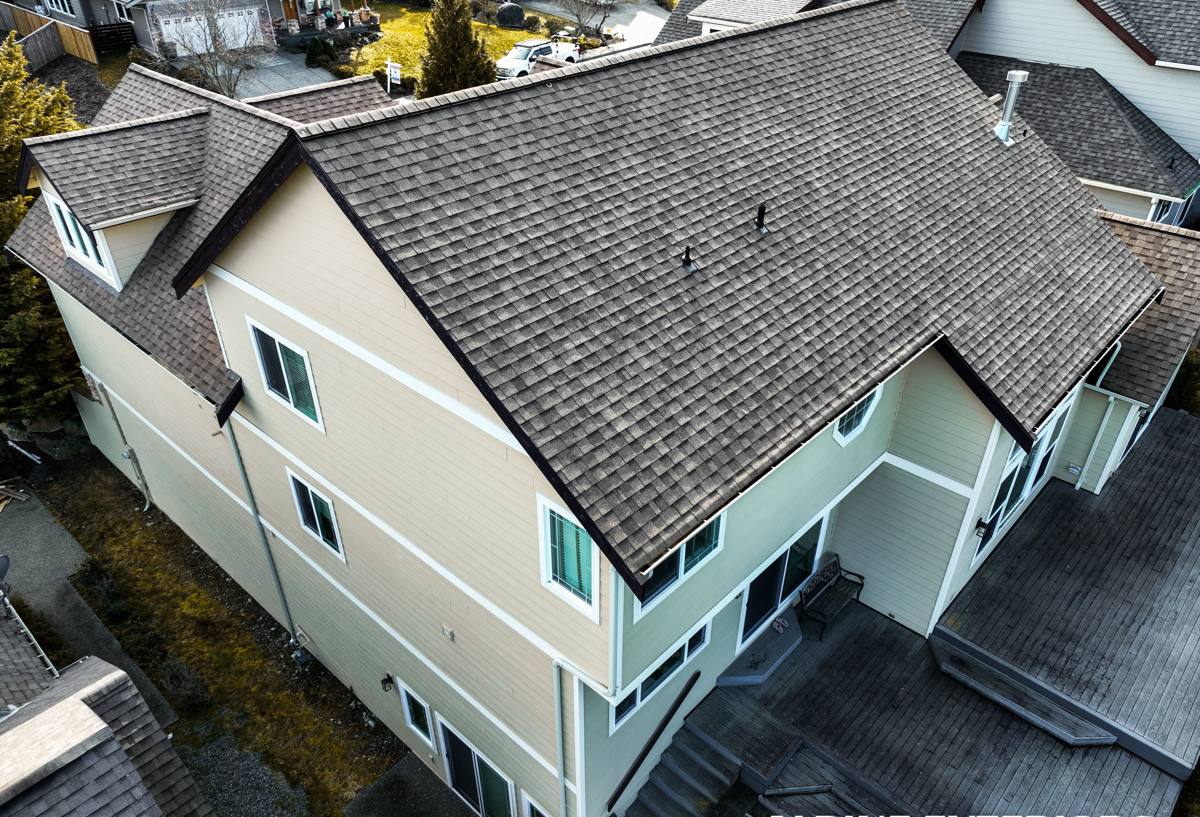
What Local Conditions Do to a Deck Over Time
Moisture That Never Fully Leaves
Skagit County doesn't get a hard dry season. Wood and composite decking here spend a large part of the year damp, which means any spot where water can pool, get trapped, or wick into a connection point becomes a slow-motion failure point. Ledger boards, joist ends, and post bases are the usual victims — not because the material is bad, but because water sat there long enough to do damage.
Moss and Algae Growth
A long moss season means deck boards, especially horizontal wood surfaces with any shade, will grow moss and algae if they're not built with enough airflow underneath and drainage below. Beyond looking bad, moss holds moisture against the board surface and turns a deck into a slip hazard, particularly on stairs.
Salt Air and Corrosion
Homes closer to the Sound get a steady, low-level dose of salt in the air. Over years, that accelerates corrosion in the wrong grade of screws, joist hangers, and structural connectors. It's a slow problem, which is exactly why it gets ignored until a hanger or fastener has weakened enough to matter.
What a Correct Deck Build Involves Here
None of this is exotic — it's just discipline about the details that this climate punishes if skipped.
- Stainless steel or heavy hot-dip galvanized fasteners and hardware rated for exterior, high-moisture, coastal-influenced use — not the cheapest hardware-store option
- Proper ledger board flashing where the deck attaches to the house, so water is directed away from the wall framing instead of behind it
- Footings sized and set below frost depth with adequate drainage around them, not just poured against wet native soil
- Consistent gapping between deck boards for drainage and airflow, not tight-fit boards that trap standing water
- Joist spacing and blocking that matches the actual decking material chosen, since composite and wood have different span requirements
- A structure sloped slightly away from the house so water sheds instead of pooling near the foundation
Skip any one of these and the deck may look fine for a season or two before the climate finds the weak point.
Choosing a Decking Material for This Climate
There's no universally "right" material — there's a right material for your budget, your maintenance appetite, and how much shade and moisture your particular yard holds. Here's how the common options actually compare in a wet, moss-prone environment like ours.
| Material | Moisture Behavior | Maintenance | Typical Lifespan |
|---|---|---|---|
| Pressure-treated wood | Absorbs moisture; needs sealing to resist rot and moss growth | Annual cleaning and periodic re-sealing or staining | 10–15 years with upkeep |
| Cedar | Naturally rot-resistant but still needs sealing to hold up long-term in constant damp | Regular cleaning; sealing every couple of years | 15–20 years with upkeep |
| Composite decking | Doesn't absorb water like wood, but capped boards still need drainage below to prevent surface algae and moss | Occasional washing; no staining or sealing | 25+ years |
| PVC decking | Fully moisture-resistant surface; least prone to moss and algae staining | Lowest maintenance of the group | 25+ years |
We'll walk through the honest trade-offs with you — composite and PVC cost more up front but remove most of the recurring maintenance that wood demands in a climate this wet. Wood is cheaper initially but only holds up if someone actually keeps up with the sealing schedule.
Our Deck-Building Process
- On-site walkthrough. We look at sun exposure, drainage, soil, and how the deck will tie into the house before recommending anything.
- Design and material selection. We size the deck, plan the layout, and go over material options against your budget and maintenance preference.
- Permitting. We handle the permit application and inspections required for the project so it's built to code, not just to eye.
- Site prep and footings. Footings are dug and set to the depth the soil and local code require, with drainage considered from the start.
- Framing and flashing. This is where the ledger connection, joist layout, and hardware selection happen — the part of the job that determines whether the deck lasts.
- Decking, railing, and stairs. Boards are laid with proper gapping, railings are secured to code, and stair stringers are built for safe footing even when wet.
- Final walkthrough. We go over the finished deck with you, including what maintenance it will need and when.
Keeping a Deck Ahead of a Long Moss Season
Even a well-built deck needs some seasonal attention in this climate — the goal is catching small issues before they become structural ones.
- Sweep debris out of the gaps between boards so water and organic matter don't sit and feed moss growth
- Rinse or lightly scrub surfaces at least once a season, more often in shaded spots
- Check the ledger flashing area for any signs of water staining on the siding just above or below the deck
- Inspect visible hardware for rust or corrosion, especially on older galvanized connectors
- Re-seal or re-stain wood decking on the schedule the product calls for — don't wait until it looks obviously weathered
- Keep gutters and downspouts near the deck clear so runoff isn't dumping directly onto or under the structure
Permits and Local Requirements
Most deck projects of any real size in unincorporated Skagit County, including the Lyman area, require a building permit, and elevated decks typically need engineered footing and railing details reviewed before work starts. Requirements vary by lot, setback, and whether the property is near a critical area like a stream or wetland, which isn't unusual out here. We handle the permit process as part of the job so you're not the one tracking down what's required.
Why It Matters to Hire a Crew That Works This Area
A deck built to a generic national spec sheet doesn't account for how much moisture Skagit County actually sees, or how quickly moss establishes itself on a shaded surface here. We work throughout the Burlington area, and every deck we build gets the same standard applied: hardware rated for the moisture and salt exposure we actually have, flashing detail that treats the ledger connection as the highest-risk point it is, and material recommendations based on how a given yard drains and how much sun it actually gets. That's a different conversation than a crew that mostly builds in a dry climate and treats this job like any other.
Cost Factors to Expect
Every deck is priced around its own specifics, but the factors that move the number are consistent.
| Factor | Why It Affects Cost |
|---|---|
| Size and shape | More square footage and multiple levels or angles increase material and labor |
| Material choice | Composite and PVC cost more upfront than wood but reduce long-term maintenance spend |
| Height and railing | Elevated decks need engineered footings and code-compliant railings, adding cost |
| Site access and grading | Sloped lots or difficult access can add labor for footings and material handling |
| Permit and inspection requirements | Larger or elevated decks typically require more inspection steps |
Rough budgets for a straightforward, code-built deck in this region tend to run in the low-to-mid tens of thousands for wood, and higher for composite or PVC once you factor in the reduced maintenance over the deck's life. The only way to get a real number is to look at your specific yard and goals.
Get a Straight Answer for Your Yard
If you're thinking about a new deck or replacing one that's showing its age, we're happy to come take a look, walk the site with you, and give you an honest read on what it would take. There's a form below for a free estimate — no pressure, no obligation.