 Burlington
 Building New on Guemes Island Means Building for the Water
Guemes Island sits right in the path of Salish Sea weather — salt-laden air, wind-driven rain off the water, and long stretches of gray, damp months where moss and mildew get a foothold on anything that stays wet too long. If you're framing a new home or a major addition out here, the windows you choose and how they're installed matter more than they would on a sheltered inland lot in Burlington proper. New-construction windows go in before the siding, trim, and weather barrier are finished, which is actually the best possible time to get the water management right — but only if whoever's setting them understands island exposure.
We're a Burlington-based siding and exteriors crew that works Skagit County job sites regularly, including the ferry-access builds on Guemes. New construction is different work than a retrofit or replacement job, and it deserves a different level of attention to flashing, sequencing, and product selection. This page covers what that actually looks like.
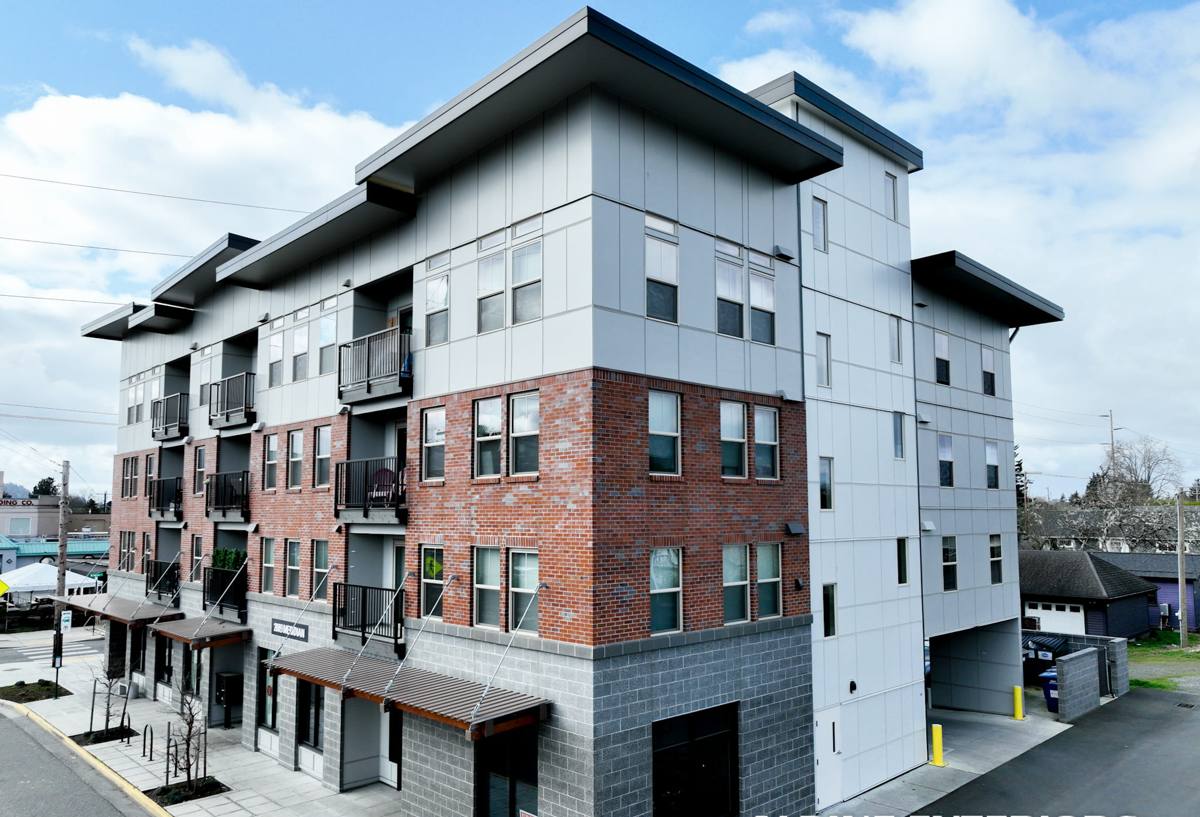
What Guemes Island's Climate Does to Windows Over Time
A few things about this specific location are worth understanding before you pick products or a contractor:
- Salt air accelerates corrosion. Cheaper fasteners, uncoated hardware, and lower-grade aluminum components break down faster this close to the water than they would even ten miles inland.
- Driving rain tests flashing, not just glass. Wind off the water pushes rain sideways and upward at window openings. A window can be perfectly good and still leak if the flashing and sill pan underneath it were done wrong.
- Moss and algae season is long. Skagit County's wet season stretches from fall through spring. Anything that traps moisture — poor drainage details, wood trim without adequate protection, frames with tight gaps that hold debris — gives moss a place to grow and start working on finishes and seals.
- Island logistics affect timelines. Ferry schedules and limited barge/delivery windows mean window orders and installation days need to be planned tighter than a mainland job. A missed measurement or a wrong order costs more time here than it would in town.
Why New Construction Is the Right Time to Get This Right
On a retrofit, you're working around existing siding and trim, which limits some options. On new construction, the wall assembly is open — you can see the sheathing, the weather-resistive barrier, and the rough opening before anything is covered up. That's the window to build in proper flashing and drainage from scratch, rather than patching around compromises later.
It's also the point where mistakes are cheapest to avoid and most expensive to fix later. A flashing detail done wrong at rough-in might not show a leak for two or three wet seasons, by which point it's caused sheathing damage that's hidden behind finished walls. Getting it right the first time, while everything is still open and inspectable, is the entire value of doing this stage carefully.
What "Correct" Actually Involves
A properly installed new-construction window on an exposed site like Guemes Island includes, at minimum:
- A sloped sill pan flashing so any water that gets past the window has somewhere to drain — out, not into the wall cavity.
- Weather-resistive barrier integrated with the flashing in the correct shingle-lap order (each layer overlapping the one below it, working top to bottom).
- Corrosion-resistant fasteners and flashing tape rated for long-term exterior exposure, not general-purpose materials.
- Proper shimming and squaring of the rough opening so the window operates correctly and seals evenly — a racked frame stresses seals and creates leak paths over time.
- Backer rod and quality exterior sealant at the perimeter, sized and tooled correctly rather than just caulked over gaps.
- Head flashing with an end dam detail, especially important where wind-driven rain hits the top of the opening.
Choosing Window Products for a Waterfront-Adjacent Site
We don't push one brand as the only acceptable option, but we do steer new-construction clients on Guemes toward products and configurations that hold up to this specific exposure:
Frame Material Trade-Offs
| Frame Type | How It Handles Salt Air & Moisture | Maintenance Burden |
|---|---|---|
| Vinyl | Doesn't corrode; UV-stable formulations hold color well | Low — occasional cleaning |
| Fiberglass | Excellent dimensional stability, resists moisture-driven warping | Low — very durable finish |
| Wood (clad or unclad) | Attractive but vulnerable where cladding or finish is compromised near salt air | Higher — needs regular finish maintenance |
| Aluminum | Can corrode faster in salt air unless marine-grade coated; conducts cold | Moderate to high depending on coating quality |
Our general standard for island and near-water sites is fiberglass or good-quality vinyl with factory-finished exteriors, because they hold up with the least ongoing homeowner effort. We'll still install what a client specifies, including wood-framed units where the design calls for it — we just make sure clients understand the added maintenance commitment before that decision gets made, especially somewhere the salt air won't do it any favors.
Glass and Hardware Details Worth Confirming
- Look for corrosion-resistant hardware (hinges, locks, cranks) — standard-grade hardware can start showing rust or pitting within a few seasons this close to salt water.
- Dual or triple-pane glass with a good low-E coating helps with condensation control during Skagit County's cold, damp winters.
- Confirm the manufacturer's warranty language on coastal or "marine exposure" environments — some warranties exclude or limit coverage for corrosion in salt-air zones, and it's better to know that before installation than after a hardware failure.
Our New-Construction Window Process
1. Plan Review and Rough Opening Verification
We review the architectural plans or work directly with your builder to confirm rough opening sizes match the ordered window units before anything ships. On an island job, catching a sizing error before the ferry trip saves real time.
2. Flashing and Drainage Plan
Before a single window is set, we walk the wall assembly and confirm the weather-resistive barrier and flashing sequence will actually shed water the way it's supposed to, given the specific wall orientation relative to prevailing wind and rain.
3. Setting and Sealing
Each unit is shimmed square and plumb, fastened per manufacturer spec, and sealed with backer rod and exterior sealant at the perimeter — not just caulked over gaps as a shortcut.
4. Integration with Siding and Trim
Because we also handle the siding trades, we make sure the window flashing integrates cleanly with whatever cladding is going on next — no gaps or mismatched laps where the window meets the wall finish.
5. Final Walkthrough
We check operation, seal quality, and drainage on every unit before calling the job complete, and we're straightforward about anything we think needs a follow-up look after the first wet season.
Cost Factors for a Guemes Island New-Construction Window Job
Pricing on new-construction windows depends on more than just the unit price. Rough numbers vary a lot by project size and product tier, so treat the factors below as what actually moves your number, rather than expecting one flat quote:
| Factor | Why It Matters Here |
|---|---|
| Number and size of openings | Larger view windows toward the water cost more and need extra structural and flashing attention |
| Frame material | Fiberglass and clad-wood units cost more upfront than standard vinyl but reduce long-term maintenance |
| Site access and delivery | Ferry scheduling and limited delivery windows can affect labor scheduling more than a mainland job |
| Wall orientation and exposure | Windows on the water-facing or prevailing-wind side often warrant upgraded flashing details |
| Coordination with builder/GC | Jobs where we're brought in early and coordinate directly with the framing crew go faster and cleaner |
A Practical Checklist Before You Order Windows
- Confirm rough openings are framed to the exact sizes on the window order, not "close enough."
- Ask your window supplier directly whether the warranty has any coastal or marine-exposure exclusions.
- Choose frame materials and hardware finishes rated for salt-air environments, not just general exterior use.
- Make sure whoever sets the windows is also thinking about how the weather-resistive barrier and siding will tie in — don't let window installation happen in isolation from the rest of the building envelope.
- Plan delivery and installation dates around ferry schedules with some buffer, not back-to-back.
- Get the flashing and drainage plan in writing or at least clearly discussed before the crew starts, not decided on the fly.
Why Local Guemes Island Experience Matters
A contractor who mostly works dry, sheltered inland lots can still do competent window work — but they may not have internalized just how much salt air, wind-driven rain, and a long moss season demand in terms of flashing detail, fastener choice, and material selection. Working Skagit County job sites regularly, including the island, means we've already made the adjustments that come from seeing how buildings out here actually perform after a few wet seasons, not just how they look on installation day.
We also understand the practical side of building on Guemes — coordinating deliveries around the ferry, working efficiently on-site since return trips aren't as simple as driving back across town, and communicating clearly with builders and homeowners who aren't going to be checking in on the job daily.
Get a Free, No-Pressure Estimate
If you're framing a new home or addition on Guemes Island and want windows installed correctly the first time — with flashing and drainage details built for the salt air and driving rain this location gets — we're happy to take a look at your plans and job site. Use the form below to request a free estimate, no pressure and no obligation.