 Burlington
 Siding Installation in Avon: What the Local Climate Actually Demands
Avon sits in the low farmland along the Skagit River just outside Burlington, close enough to Puget Sound and the Strait that salt-laden air rides inland on the prevailing winds most of the year. Add in the driving rain that Skagit County sees from fall through spring, plus a moss season that can run eight months out of twelve on north-facing walls and shaded siding, and you get one of the more demanding exterior environments in western Washington. A siding installation that would hold up fine in a drier inland climate can start failing in Avon within a handful of years if it isn't built and installed for these specific conditions.
This page covers what siding installation actually looks like when it's done right for a home in this part of Skagit County — the climate factors that matter, what correct installation involves, and why the crew you hire needs to already understand this ground.
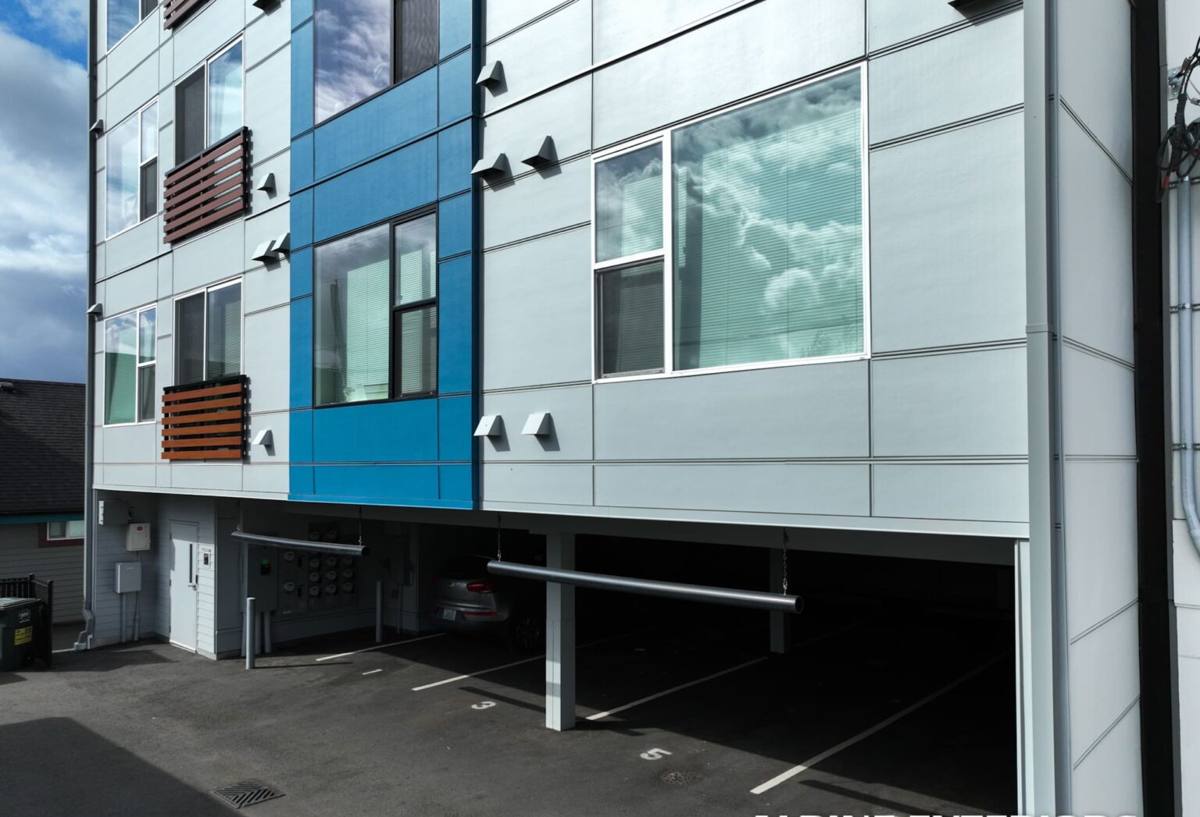
The Climate Factors That Drive Every Decision Here
Salt Air and Airborne Moisture
Homes in and around Avon deal with a steady low-level dose of salt-carrying moisture in the air, even at a distance from open water. Over years, that moisture accelerates corrosion on exposed fasteners, degrades poor-quality paint films, and speeds up the breakdown of siding materials that weren't engineered to handle it. It's rarely dramatic — no single storm causes the damage — but the slow, constant exposure is exactly why material choice and installation detail matter more here than in a dry-climate town.
Driving Rain and Wind-Driven Water
Skagit County doesn't just get rain, it gets rain pushed sideways by wind off the valley and the Sound. Driving rain finds every gap, every under-lapped joint, and every place where flashing was skipped to save time. Siding that relies on caulk alone to keep water out, rather than proper lapping, flashing, and drainage behind the cladding, is a maintenance problem waiting to happen in this kind of weather.
The Long Moss Season
Shaded walls, tree cover, and the persistent damp common to this area give moss, algae, and mildew a long runway to establish themselves on exterior surfaces — often eight or more months of the year. Siding with a porous surface or a factory finish that isn't formulated to resist biological growth will show green and black staining faster here than almost anywhere else in the state. That's a cosmetic issue at first, but it also signals moisture sitting on the surface longer than it should, which shortens the life of the material underneath.
What a Correct Siding Installation Actually Involves
Water Management Behind the Cladding
Good siding is really a system, not just a finished surface. Underneath the visible boards there should be a weather-resistive barrier installed shingle-style (upper layers overlapping lower ones), properly integrated with window and door flashing, and — on most wall assemblies — a drainage gap that lets any water that does get behind the siding find its way back out instead of sitting against the sheathing. Skip this layer, or install it out of sequence, and the siding on top can look perfect while the wall behind it is quietly rotting.
Fastening and Manufacturer Clearances
Fiber cement siding has specific nailing patterns, fastener types, and clearance requirements — minimum gaps from grade, roofing, decks, and abutting trim — that exist specifically to keep water from wicking into the bottom edge of the boards. These clearances aren't arbitrary; they're based on how water actually moves off a wall in wet climates like this one. A crew that doesn't hold to them is building in a failure point on day one, even if the finished wall looks fine at closing.
Flashing, Trim, and Penetrations
Every place something interrupts the siding field — a hose bib, a light fixture, a vent, a corner board — is a place water can get in if it isn't flashed and sealed correctly. Correct installation means head flashing over trim, proper kick-out flashing where roof lines meet walls, and sealant used as a backup, not as the primary defense. In a climate with this much driving rain, these details are the difference between siding that lasts and siding that requires repeated repair.
Why This Company Installs Only James Hardie Fiber Cement
We don't install vinyl, cedar, primed spruce, or engineered wood products like LP SmartSide. That's not a marketing position — it's a standard we hold because of what we've seen these materials do in exactly this kind of climate over time. Wood-based products, even engineered ones with treated strand or resin-saturated edges, depend on an intact factory seal to keep moisture out; once that seal is compromised at a cut edge or fastener hole, ongoing moisture exposure like Avon gets can lead to swelling and deterioration. Vinyl is low-maintenance but it's a thin, flexible material that can warp in temperature swings and offers little in the way of impact resistance or a factory finish that resists moss and mildew staining long-term.
James Hardie fiber cement is cement, sand, and cellulose fiber — non-combustible, dimensionally stable, and manufactured with regional climate engineering (their HZ5 product line is built for exactly this kind of wet, marine-influenced Pacific Northwest exposure). The ColorPlus factory finish is baked on under controlled conditions and holds color and resists the kind of moss and algae staining that plagues field-painted or bare wood siding in this area. It's backed by a long, transferable manufacturer warranty when installed to spec — which is exactly why installation detail matters so much to us.
| Factor | Vinyl | Cedar / Primed Spruce | LP SmartSide | James Hardie Fiber Cement |
|---|---|---|---|---|
| Moisture behavior in driving rain | Sheds water but seams can leak | Absorbs moisture at cuts/edges | Depends on intact factory seal | Dimensionally stable, engineered for wet climates |
| Moss/algae resistance | Moderate; stains show over time | Low without frequent treatment | Moderate | High with ColorPlus finish |
| Salt air durability | Can become brittle over time | Prone to weathering, cupping | Edge sealing is critical | Non-combustible, built for coastal exposure |
| Maintenance | Low but limited repair options | Regular painting/staining | Caulk and paint upkeep | Low; factory finish holds up |
| Typical lifespan when installed correctly | 20-30 years | 15-25 years with upkeep | 20-30 years | 30+ years, strong transferable warranty |
Our Siding Installation Process for Avon Homes
- On-site assessment — we look at existing siding, sheathing condition, moisture history, sun/shade exposure, and how the home is oriented relative to prevailing wind and rain.
- Tear-off and sheathing check — old siding comes off and we inspect the sheathing underneath for rot or moisture damage before anything new goes up. Any compromised sheathing gets replaced, not covered over.
- Weather-resistive barrier and flashing — house wrap or building paper installed shingle-style, integrated with window, door, and penetration flashing before siding starts.
- James Hardie installation to manufacturer spec — correct fastener type and pattern, proper clearances from grade and roofing, and factory-mitered or properly caulked joints.
- Trim, corners, and detail work — corner boards, trim, and any transition points sealed and flashed correctly, not just caulked as an afterthought.
- Final walkthrough — we go over the finished work with the homeowner and point out anything worth knowing for long-term upkeep.
Signs Your Avon Home Needs New Siding
- Persistent moss or dark staining that comes back within months of cleaning
- Visible cupping, warping, or soft spots when you press on the siding
- Peeling or bubbling paint, especially on walls that face prevailing wind and rain
- Cracked or missing caulk around trim, windows, and corners
- Rising energy bills that suggest air and moisture are getting past the exterior wall
- Visible gaps, warping, or rot at the bottom courses near grade
- Interior signs like musty smells or discoloration on walls that back up to exterior siding
What Siding Installation Costs in Avon
Every home is different, but the same handful of factors drive cost on most Avon projects. We give exact numbers only after walking the property — anyone quoting a firm price over the phone hasn't seen your walls.
| Cost Factor | Why It Matters |
|---|---|
| Home size and wall complexity | More square footage, more corners, dormers, and trim detail all add labor time |
| Existing siding removal | Tear-off and disposal of old material adds cost versus a bare or already-stripped wall |
| Sheathing or framing repair | Moisture damage found during tear-off has to be fixed before new siding goes up |
| Product line and profile | Lap siding, board-and-batten, and shingle-style Hardie profiles carry different material and labor costs |
| ColorPlus vs. field-applied finish | Factory-finished ColorPlus costs more up front but avoids repainting for years |
| Trim and accessory scope | New trim boards, corner posts, and soffit work add to the total project |
Why Hiring a Crew That Already Works in Avon and Skagit County Matters
Siding installation isn't a one-size-fits-all trade skill. A crew that mostly works drier, inland climates may not think twice about a shortcut on flashing or clearance that would be forgiven there but causes real problems in a place like Avon, where driving rain and a long moss season expose every weak point within a few winters. Working this area regularly means already knowing how local homes are built, what moisture patterns to expect on which exposures, and which details can't be skipped — not learning it on your project.
When you're vetting a contractor for siding work in Burlington or the surrounding Skagit County communities, ask directly how they handle water management behind the siding, what fastener spec they follow, and whether they'll show you the manufacturer's installation instructions for the product they're using. A contractor confident in their process will walk you through all of it without hesitation.
Ready for an Estimate?
If your Avon home's siding is showing its age, staining faster than it should, or you're planning ahead for a replacement, we're happy to take a look and walk you through what correct installation would involve for your specific home. Reach out for a free, no-pressure estimate — there's a form below to get started.