 Burlington
 Building New in Alger Means Getting the Window Install Right the First Time
When a home is under construction, the window install happens once. There's no siding to pull off later, no old flashing to dig out and replace — whatever goes in at the framing stage is what that house lives with for the next 20 to 40 years. For new builds in and around Alger, that first install has to account for a climate that's a little more aggressive than most people expect from a quiet community just outside Burlington.
Alger sits close enough to the water and to open farmland that homes here take a steady diet of moisture, wind-driven rain, and airborne salt. New-construction windows aren't just a product choice at that point — they're part of the building envelope, tied into the house wrap, flashing, and framing in ways that determine whether the walls around them stay dry for decades.
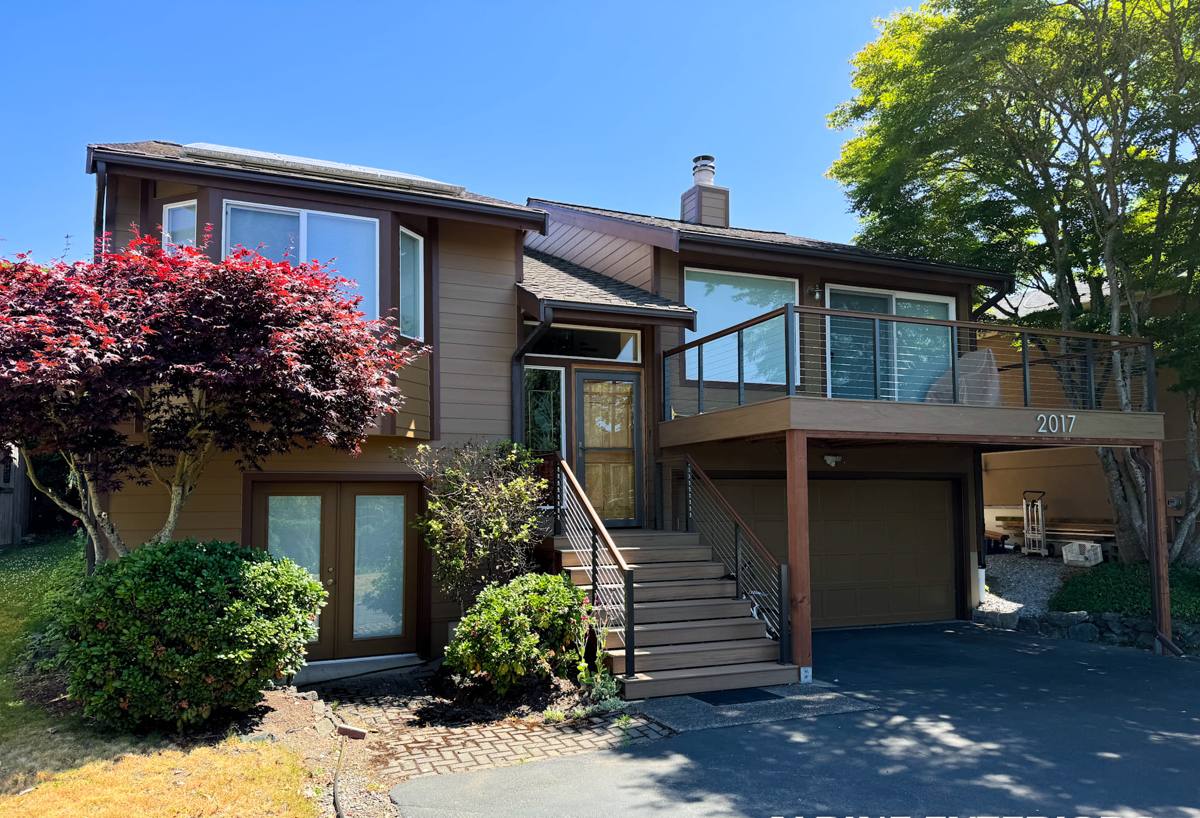
What Skagit County's Climate Actually Asks of a Window Install
Three things stand out for homes built in this part of Skagit County, and each one changes how a window opening should be treated before the window ever goes in.
Salt Air
Proximity to Puget Sound and the tidal flats around Skagit County means airborne salt is a real factor, even a few miles inland. Salt-laden moisture accelerates corrosion on hardware, fasteners, and lower-grade metal components. It's a reason we pay attention to the hardware and fastener specs on a window, not just the frame material.
Driving Rain
Wind off the water doesn't just bring rain straight down — it pushes it sideways into wall assemblies. A window that's watertight in a calm rain can still leak under wind-driven rain if the flashing details around the opening weren't built to shed water outward and downward, not just to sit there and hope.
A Long Moss Season
Skagit County's damp, mild stretch from fall through spring is long, and anywhere shaded or north-facing stays wet for extended periods. Moss and algae growth on sills, trim, and low-slope surfaces near windows isn't just cosmetic — sustained moisture and organic growth against wood trim or poor sealant joints is exactly how rot gets started.
New-Construction Windows vs. Replacement Windows: Why the Distinction Matters
These are two different jobs with two different sets of rules, and mixing them up is one of the more common mistakes on new builds we've walked into after the fact.
- New-construction windows have a nailing flange and are installed into a rough opening before siding and exterior finish go on. Flashing is integrated into the wall assembly in the correct sequence — house wrap, flashing tape, window, then siding overlapping the flange.
- Replacement (or "pocket") windows are built to fit inside an existing frame, with no nailing flange, installed after siding is already in place. They rely on the old frame and existing flashing for weather protection.
Using a replacement-style window in new construction — or trying to shortcut the flashing sequence because a nailing-flange window "should just work" — skips the layered defense that a house actually needs against driving rain. On a new build, there's no excuse for that shortcut, because the wall is open and the sequence can be done correctly the first time.
What a Correct New-Construction Window Install Actually Involves
Rough Opening and Flashing Sequence
Every opening gets a sill pan flashing before the window ever sits in it — this is the single most important detail for a house that will face wind-driven rain. The sill pan catches any water that gets past the window and directs it back outside instead of into the framing. Side and head flashing then integrate with the house wrap in a strict shingle-lapped order so water always drains down and out, never in.
Nailing Fin Attachment and Shimming
The window has to sit square, level, and plumb in the opening, shimmed evenly so the frame doesn't bow when fasteners are driven. A racked or twisted frame is one of the most common causes of operational problems and seal failure down the road, and it's much harder to fix once siding and interior trim are on.
Sealing and Insulation Without Trapping Moisture
The gap between the window frame and rough framing gets sealed and insulated — but with a material and technique that manages moisture rather than trapping it. Over-filling that gap with the wrong expanding foam can bow the frame; under-sealing it leaves an air and moisture path straight into the wall cavity.
Exterior Trim and Sill Details
Given how long surfaces stay wet in this area during the fall-through-spring stretch, sill and trim details matter more here than in a drier climate. Sloped sills that shed water away from the wall, and trim materials and joints that won't hold standing moisture, cut down on the conditions moss and rot need to take hold.
Pre-Drywall Inspection Checklist
- Sill pan flashing installed and lapped correctly before the window went in
- Head and side flashing integrated with house wrap in proper shingle-lap order
- Window shimmed square, level, and plumb — no visible frame twist
- Fasteners and hardware rated for coastal/salt-air exposure
- Gap sealing done without over-compression or gaps left uninsulated
- Exterior sill sloped to shed water away from the wall assembly
- No exposed, unflashed nailing fin edges before siding goes on
Choosing Window Materials and Glass for Alger's Exposure
Material choice for a new build in this area comes down to how well a frame holds up against sustained damp, occasional salt exposure, and years of moss-season conditions without excessive upkeep.
| Frame Material | How It Handles This Climate | Trade-Off |
|---|---|---|
| Vinyl | Resists moisture and salt corrosion well; low maintenance | Less rigid over very large spans; color/finish options more limited |
| Fiberglass | Very stable in wet/cold swings, strong resistance to warping and corrosion | Higher upfront cost than vinyl |
| Wood-clad | Warm interior appearance; clad exterior protects wood from direct moisture | Any cladding seam failure exposes wood beneath to rot risk over time |
| Aluminum | Strong and slim sightlines | Poor thermal performance and higher susceptibility to salt-air corrosion without upgraded coatings |
On glass, a good low-E, argon-filled double-pane unit is the practical baseline for new construction in Skagit County — it manages the region's mild-but-damp temperature swings and cuts down on condensation at the glass edge, which is one more moisture source we'd rather not add to a new wall assembly.
Our Process, From Framing to Final Walkthrough
1. Plan Review and Opening Verification
Before any window shows up on site, we confirm rough opening sizes against the actual window schedule and building plans — catching a sizing mismatch before framing is closed up saves real time and cost later.
2. Flashing and Water Management Installed First
Sill pans, house wrap integration, and flashing tape go in before the window itself. This is the step that determines whether the house stays dry, and it's not one we skip or shortcut to save time.
3. Window Set, Shimmed, and Fastened
Each unit is set square and plumb, checked for smooth operation before it's permanently fastened, then sealed and insulated around the frame.
4. Exterior Trim and Final Seal
Trim and sill details are finished to shed water properly, and all exterior sealant joints are checked once siding is complete.
5. Walkthrough and Operation Check
Every window gets opened, closed, and locked before we call the job done — an install can look right and still bind or fail to seal if hardware or squaring wasn't dialed in.
Common Mistakes We See on New Builds in This Area
Most of the problems we've found in newer Alger-area homes trace back to a handful of repeat issues, not exotic ones:
- Missing or improperly lapped sill pan flashing, found only after water staining shows up inside
- Windows shimmed unevenly, causing hardware to bind or fail to latch fully within a year or two
- Standard-grade fasteners used where coastal-rated hardware should have been specified
- Exterior trim installed flat instead of sloped, holding moisture and encouraging moss growth at the sill
None of these show up on move-in day. They show up two, five, or ten years later — which is exactly why the install sequence matters more than the window brand.
Why a Crew That Already Works Alger and Burlington Matters
Window performance on a new build isn't really about the window — it's about how it's tied into that specific wall assembly, in that specific climate. A crew that's done this work around Burlington and greater Skagit County already knows how driving rain behaves against a given elevation, how long moss season really runs, and where salt exposure tends to bite hardest. That's the kind of judgment that doesn't come from a spec sheet — it comes from having stood in front of enough openings in this area to know what actually holds up.
If you're building new in Alger, we're happy to walk the plans with you, talk through material and glass options for your specific site, and quote a free, no-pressure estimate — just fill out the form below.