 Burlington
 Board & Batten Siding, Built for How Avon Actually Weathers
Avon sits in the low, flat farmland of the Skagit River delta just outside Burlington, and that geography shapes what happens to a house's exterior over time. Marine air moves in off Puget Sound with regularity, rain arrives sideways more often than straight down, and the shaded, damp stretches of the year give moss and algae a long runway to take hold on anything that stays wet. Board and batten siding can look sharp on the farmhouse and modern-craftsman styles common in this area, but only if it's installed with this specific climate in mind. A board and batten job that would hold up fine in a dry inland climate can fail early here if the water management underneath it isn't right.
This page focuses on one service in one area: board and batten siding installation for homes in and around Avon. Not a general overview of siding options, not a citywide pitch — what this specific look needs to actually perform here, what correct installation involves, and why local experience matters as much as the product you choose.
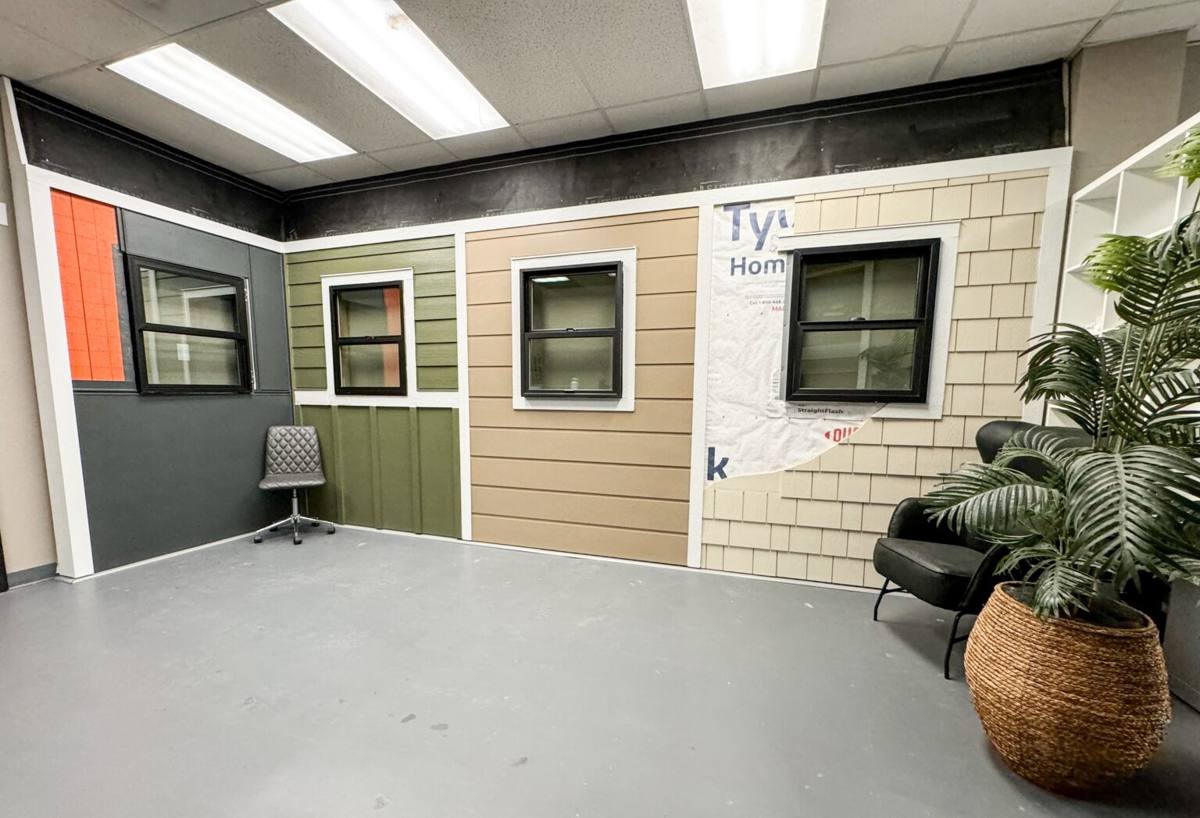
What Board and Batten Siding Actually Is
Board and batten is a vertical siding pattern: wide flat panels or boards installed side by side, with narrower strips (the battens) covering the seams between them. It's one of the oldest siding styles in the Pacific Northwest, originally used on barns and outbuildings because the vertical lines shed water efficiently and the batten strips protected the seams from wind-driven moisture. That same logic is exactly why it holds up well on homes in a wet climate like Avon's, provided the underlying assembly is built correctly.
The look has come back strong in modern exterior design — clean vertical lines, deep shadow reveals, and a texture that pairs well with both traditional and contemporary architecture. But the visual appeal is only half the story. The other half is what's happening behind the boards, and that's where a lot of board and batten installations go wrong.
The Three Climate Factors That Matter Most in Avon
Salt Air
Homes in and around Avon get regular exposure to marine air moving in from Puget Sound. Salt-laden moisture accelerates corrosion on exposed metal fasteners and flashing, and it works its way into any gap in a siding system faster than plain rainwater would. Fastener choice and flashing detail aren't optional upgrades here — they're baseline requirements.
Driving Rain
Skagit County doesn't just get a lot of rain, it gets a lot of wind-driven rain, and vertical board and batten siding is more exposed to wind pressure at each seam than horizontal lap siding is. Every batten joint is a place water will actively try to get behind the siding, not just run past it. This is why the water-resistive barrier and flashing behind the boards matter more on a board and batten job than almost any other siding style.
Moss Season
The Skagit Valley's damp, shaded stretches of fall through spring give moss and algae months to establish themselves on any siding surface that holds moisture. Vertical board and batten sheds bulk water well, but the batten strips themselves create small ledges and shadow lines where moisture can linger if the reveal and drainage gaps aren't cut correctly. Left unmanaged, moss growth traps moisture against the siding surface and shortens its service life.
What a Correct Board and Batten Installation Involves
Weather-Resistive Barrier First
Before a single board goes up, the wall needs a properly lapped and taped weather-resistive barrier. On a house in Avon's rain exposure, seams and penetrations in this layer get sealed as carefully as the visible siding itself, because this barrier is the actual waterproofing layer — the siding is the first line of defense, not the only one.
Drainage Plane Behind the Boards
Board and batten needs a way for any moisture that does get behind the boards to drain and dry out. That means a rainscreen gap or furring strategy behind the panels rather than nailing boards flat against the barrier. This detail is invisible once the job is done, which is exactly why it's the detail corners get cut on with crews that don't specialize in this style.
Batten Spacing and Fastening
Battens need consistent spacing over the panel seams, with fasteners placed and spaced to manufacturer specification so the assembly can expand and contract with temperature and moisture changes without cracking caulk lines or pulling fasteners loose. Over-fastening or fastening through both the board and batten into the same stud line is a common shortcut that leads to splitting and premature failure.
Flashing at Every Transition
Windows, doors, roof lines, and the base of the wall all need proper flashing integration with the siding, not just caulk. Caulk is a maintenance item that will eventually fail; flashing is the permanent water management. In a climate with Avon's rain exposure, this is not a place to save time.
Factory-Finished, Not Field-Painted Where Possible
Field-applied paint or primer is only as good as the prep and the weather conditions on install day, and it will need recoating on a maintenance cycle. A factory-applied finish that's baked on and warranted is more consistent and holds color and moisture resistance longer, which matters in a climate that doesn't give paint many dry days to cure.
James Hardie Board and Batten: The Only System We Install
We install James Hardie fiber cement exclusively — not LP SmartSide, not vinyl, not Cemplank or Allura, not primed spruce or cedar board and batten. That's a deliberate standard, not a sales preference, and it's worth explaining why for a style like board and batten specifically.
Fiber cement doesn't absorb and swell with moisture the way wood-based products can, which matters directly for a driving-rain climate and for a siding pattern with more exposed seams than lap siding. It's non-combustible, which is a real consideration as wildfire smoke seasons have become a normal part of Pacific Northwest summers even in wetter counties like Skagit. Hardie's ColorPlus factory finish is baked on with a warranted process, so the boards and battens arrive with consistent, durable color rather than relying on field painting to hold up through Avon's wet winters.
For siding in this climate zone, Hardie's HZ5 product line is engineered specifically for regions with higher moisture exposure — it's built to perform in wetter, more humid climates rather than the drier HZ10 formulation meant for hot, arid regions. That distinction matters more than most homeowners realize; installing the wrong climate zone product is one of the more common mistakes we see on prior installs we're asked to repair or replace.
Hardie also backs its siding with a strong transferable limited warranty on the product itself, plus a separate finish warranty on ColorPlus color retention — but a manufacturer warranty only protects what it was designed to cover. Installation defects like missing flashing or improper fastening are not covered by the product warranty, which is exactly why correct installation matters as much as product choice.
Board and Batten Compared to Other Siding Choices for Avon Homes
| Factor | James Hardie Fiber Cement | Vinyl | Wood (cedar/spruce) |
|---|---|---|---|
| Moisture behavior in wet climates | Doesn't absorb or swell; engineered HZ5 line for humid regions | Doesn't absorb water, but can warp or buckle with heat/cold cycling | Absorbs moisture; prone to rot without diligent maintenance |
| Salt air resistance | Fiber cement itself doesn't corrode; fasteners/flashing must be rated for it | Resists salt corrosion but can become brittle over time | No inherent resistance; finish breaks down faster near salt air |
| Moss/algae resistance | Factory finish resists staining; smooth surface sheds growth better | Can host moss and mildew in seams and panel laps | Porous surface holds moisture, feeds moss and mildew growth |
| Maintenance | Occasional wash; no repainting for the life of the ColorPlus finish | Low maintenance but limited repair options if damaged | Regular refinishing/sealing required, especially in wet climates |
| Fire resistance | Non-combustible | Combustible, can melt/deform near heat | Combustible |
| Warranty structure | Strong transferable limited warranty plus separate finish warranty | Varies widely by manufacturer and thickness grade | Typically no manufacturer warranty on the material itself |
Our Process, Start to Finish
- On-site assessment: we look at your home's current siding condition, wall assembly, moisture exposure (sun, shade, wind direction), and any existing damage before recommending anything.
- Honest scope and estimate: a written estimate that covers removal of existing siding if needed, weather barrier work, board and batten material and labor, flashing, and trim — no vague allowances.
- Prep and weather barrier: removal of failed siding, inspection of sheathing for hidden moisture damage, and installation of a properly lapped and taped weather-resistive barrier with drainage gap.
- Board and batten installation: Hardie panels and battens installed to manufacturer fastening and spacing specification, with flashing integrated at every window, door, and transition.
- Final detailing and walkthrough: caulking, touch-up, and a final walkthrough so you understand what was done and what maintenance, if any, to expect.
Signs Your Current Siding May Be Failing in Avon's Climate
- Persistent moss or algae staining that returns quickly after cleaning
- Soft or spongy spots when you press on the siding, especially near the base of walls
- Visible gaps or separation at board and batten seams
- Peeling, bubbling, or chalky paint that needs recoating more often than every few years
- Rust streaking from fasteners, especially in areas exposed to prevailing wind and marine air
- Warping, cupping, or splitting boards, particularly on the sides of the house facing prevailing weather
Why Hiring a Crew That Already Works in Avon Matters
Board and batten is less forgiving of installation shortcuts than standard lap siding, and Avon's specific mix of salt air, driving rain, and moss season punishes those shortcuts faster than a drier climate would. A crew that's already installed and serviced siding on homes in this area knows which wall orientations take the worst weather exposure, what the drainage and flashing details need to look like for this rainfall pattern, and how moss and algae actually behave on siding here through a full wet season — not just what a manufacturer's install guide says in general terms.
That local track record also means we're the ones you call if a question comes up two, five, or ten years after installation, because we're still working in this area, not just passing through on a regional sales route.
If you're weighing board and batten siding for a home in Avon, we're happy to walk the exterior with you, look at your current siding condition, and give you a straightforward, no-pressure estimate — just fill out the form below to get started.