 Burlington
 Roof Repair for Big Lake Homes
Big Lake sits in a part of Skagit County that gets more than its share of weather. Homes here deal with long stretches of driving rain in the fall and winter, damp air moving in off the water, and short summers that never quite dry everything out before the next system rolls through. Add in tree cover around much of the lake, and you get a climate that's genuinely hard on roofing — not because any one storm is severe, but because the combination of moisture, shade, and time works on a roof year-round.
This page is about one thing: roof repair for Big Lake homes specifically. Not a full re-roof, not general information about roofing in general — what it actually takes to fix a roof correctly in this part of Burlington, and why the local conditions change how that work should be done.
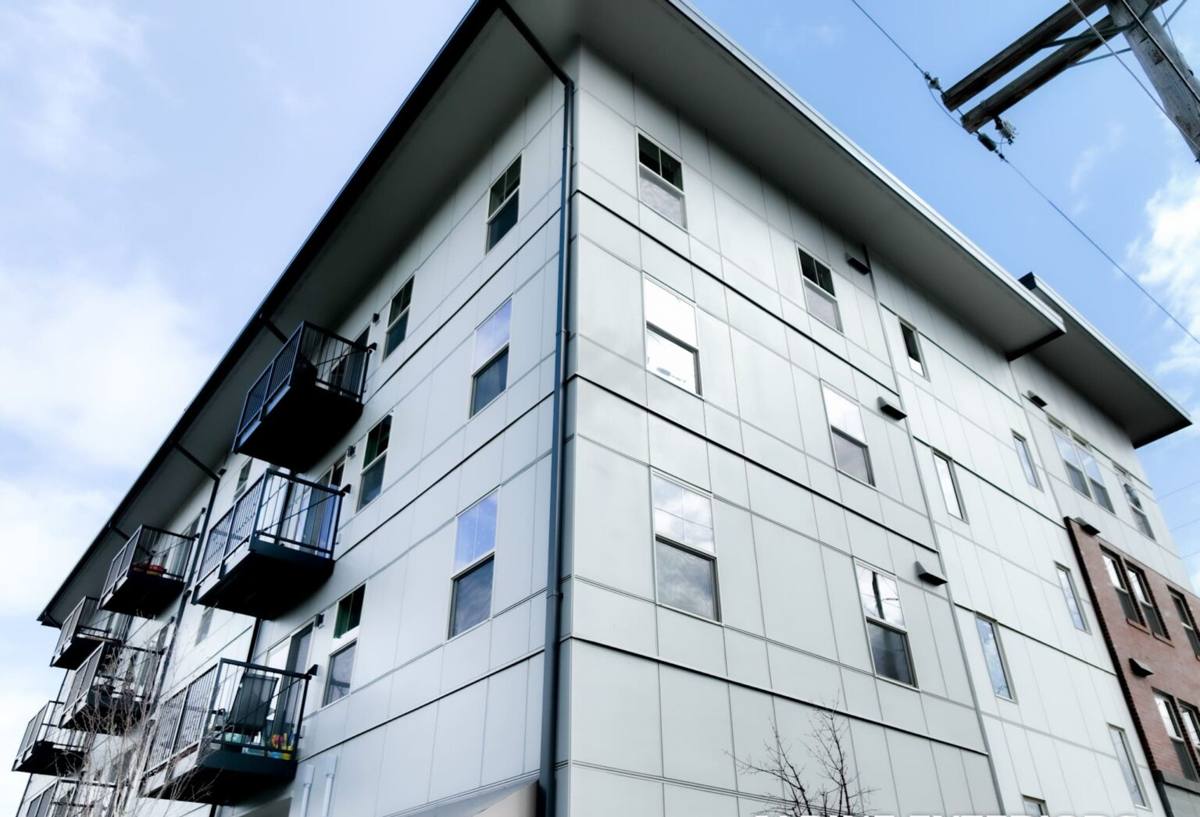
Why Big Lake Roofs Wear the Way They Do
Every roof in Western Washington fights moisture. Big Lake roofs fight it with less help from the sun and more help from shade, standing humidity, and salt-laden air that drifts in from Skagit Bay and the Sound. None of that is unusual for this part of the county, but it does mean a roof here ages differently than one in a drier, more open part of the state.
The Big Three Local Stressors
- Driving rain — wind-driven rain doesn't just fall straight down; it gets pushed sideways under shingle tabs, around flashing, and into any gap that's even slightly open. A roof that would shed a light shower fine can leak under a sideways storm.
- Salt air — the mineral content in coastal air accelerates corrosion on exposed metal: nails, flashing, vent caps, and gutter hardware. Fasteners that would last decades inland can start showing rust well before that here.
- A long moss season — shaded, damp roof sections stay wet longer after every rain, and moss and algae take hold in exactly those spots. Once established, moss holds moisture against the roofing material almost permanently, which is where a lot of Big Lake roof damage actually starts.
Individually, none of these is dramatic. Together, over several years, they're the reason a Big Lake roof that looks fine from the ground can have real problems underneath.
Signs a Big Lake Roof Needs Repair
Most roof failures don't start as leaks — they start as small, easy-to-miss issues that get worse every wet season they go unaddressed. Here's what we look for, and what homeowners should watch for between inspections:
- Moss or algae streaking, especially on north-facing or shaded slopes
- Granule buildup in gutters or at downspout outlets (a sign shingles are wearing thin)
- Curling, cupping, or lifted shingle edges, particularly on older asphalt roofs
- Rust staining below metal flashing, vents, or valleys
- Dark stains or sagging on interior ceilings, especially near chimneys, skylights, or where two roof planes meet
- Daylight visible through the roof deck from inside an attic or crawlspace
- Gutters pulling away from the fascia or holding standing water
- Cracked or missing pipe boot seals around plumbing vents
Any one of these can be minor on its own. A roof showing two or three of them at once usually means it's time for a real inspection, not just a patch.
What a Correct Roof Repair Actually Involves
A repair that looks fine for a season but fails the next one usually skipped one of these steps. Here's what we consider non-negotiable for a Big Lake repair.
Finding the Real Source, Not Just the Symptom
Water travels. A stain on a ceiling is often several feet away from where the water actually entered the roof — it ran along the underlayment or a rafter before it found a way through the drywall. A repair that just patches the spot above the stain, without tracing the path back to the actual entry point, is a repair that leaks again.
Flashing First
More roof leaks trace back to failed flashing than to failed shingles. Chimneys, skylights, valleys, and wall-to-roof transitions all rely on properly lapped, properly sealed flashing to stay watertight. Given the salt air locally, we pay close attention to flashing material and fastener condition — corroded flashing that's still technically "in place" is not the same as flashing that's still doing its job.
Matching Materials, Not Just Colors
Shingle repairs that don't match the existing roof's weight, profile, and granule type stand out visually and can behave differently in wind and rain than the surrounding material. We match not just the look but the underlying product spec wherever the existing roof allows it, so the repair performs the same as the roof around it — not just looks similar from the driveway.
Underlayment and Deck Condition
If we open a section of roof and find the underlayment failed or the decking is soft, patching over that is a short-term fix that fails again quickly. Any repair that exposes deck or underlayment damage gets that addressed as part of the job, not left for the next contractor to find.
Moss and Algae: The Slow Damage Nobody Notices
Because Big Lake's moss season runs long, this deserves its own section rather than a line item. Moss doesn't just look bad — it lifts shingle edges as it grows, holds water against the roofing surface long after a storm has passed, and works its way into seams and fastener points over time. A roof with heavy moss coverage is often several years further into its wear cycle than its actual age would suggest.
Correct moss treatment as part of a repair means physically removing growth without tearing or lifting healthy shingles, treating the surface to slow regrowth, and — critically — checking underneath any heavily mossed area for granule loss or deck moisture before calling the section repaired. Pressure washing a roof is not the same thing, and can do more harm than the moss itself if it's done aggressively.
Repair vs. Replacement: How We Help You Decide
Not every roof problem needs a full replacement, and not every roof problem should be repaired indefinitely. Here's how we think through that decision with homeowners.
| Factor | Favors Repair | Favors Replacement |
|---|---|---|
| Roof age | Under roughly two-thirds of expected lifespan | Near or past expected lifespan for the material |
| Damage extent | Localized to one section or slope | Widespread across multiple slopes |
| Deck condition | Solid, no soft spots found | Soft decking or repeated moisture intrusion in several areas |
| Repair history | First or second repair on this roof | Third or more repair in the same general area |
| Moss/algae coverage | Limited to shaded sections | Widespread and long-established |
We'll always give a straight answer on which side of this table your roof falls on. A roof that just needs targeted repair doesn't need to be sold a replacement, and we won't recommend one just because it's a bigger job.
Our Process for a Big Lake Roof Repair
- Inspection. We walk the roof (weather permitting) or use a close visual and, where needed, drone inspection to check every slope, valley, and penetration point — not just the area you called about.
- Diagnosis and estimate. We explain what we found, what's causing it, and what it will take to fix — in plain terms, with photos where useful, before any work starts.
- Repair. We remove and replace only what's actually damaged, matching materials to the existing roof, and re-flash or reseal any compromised transition points.
- Cleanup and moss treatment. Debris is cleared from the roof and gutters, and moss-prone areas get treated as part of the job, not billed as a separate visit.
- Walkthrough. We show you what was done and what to watch going forward, so there are no surprises at the next heavy rain.
Materials We Work With
Big Lake homes have roofs in a range of ages and materials, and repair techniques differ by roof type.
| Roofing Type | Common Big Lake Issue | Repair Approach |
|---|---|---|
| Composition asphalt shingle | Granule loss, curling, moss lift | Section replacement matched to existing shingle weight and profile |
| Architectural/laminate shingle | Edge lifting in wind-driven rain | Re-secure and reseal tabs, replace damaged courses |
| Metal roofing/flashing | Salt-air corrosion, fastener rust | Fastener replacement, panel or flashing section repair |
| Cedar/wood shake (older homes) | Moss retention, splitting | Selective shake replacement, moss treatment, ventilation check |
Where a roof is old enough that exact material matches aren't available anymore, we'll tell you that upfront and talk through the closest honest option rather than making promises about an invisible repair that isn't realistic.
Why It Matters to Hire a Crew That Already Works Big Lake
Roof repair looks similar everywhere on paper, but the details that actually keep a roof dry are local. A crew that regularly works Big Lake and the surrounding Burlington area already knows which roof orientations take the worst of the driving rain, where moss tends to establish first given the tree cover around the lake, and how salt air affects fastener and flashing choices over a normal Skagit County winter. That's the difference between a repair that's technically correct and one that's actually built for the conditions your roof faces every year.
It also means faster, more accurate estimates. When we've already seen how roofs in this specific area age, we spend less time guessing and more time diagnosing the actual problem in front of us.
Maintenance Between Repairs
A repair holds up longer with a bit of upkeep in between. This isn't a sales list — it's genuinely the cheapest insurance against another repair call next season.
- Clear gutters and downspouts at least twice a year, more often under heavy tree cover
- Have moss treated before it spreads past a small patch, not after
- Trim back branches that keep sections of roof shaded and damp
- Check attic ventilation — poor airflow traps moisture and speeds up deck and underlayment wear
- After any major windstorm, do a quick visual check for lifted or missing shingles
Let's Take a Look
If you're seeing moss buildup, a stain on a ceiling, or just want an honest opinion on a roof that's getting older, we're happy to come take a look. Estimates are free and there's no pressure to move forward with anything — just a straight assessment of what your Big Lake roof actually needs. Fill out the form below to get started.