 Burlington
 Windows Built for Blanchard's Climate, Not Just Any Climate
Blanchard sits in a stretch of Skagit County where weather doesn't play by generic Pacific Northwest rules. You're close enough to the water to catch salt-laden air off Samish Bay, tucked against wooded, elevated terrain that holds shade and moisture longer than open farmland to the east, and squarely in the path of driving winter rain that comes in sideways more often than straight down. Windows here take a different kind of beating than windows in, say, downtown Burlington or Mount Vernon, and they need to be installed with that difference in mind.
A window that's "fine" in a dry inland climate can fail years early in Blanchard if it's the wrong material, the wrong glass package, or installed without real attention to flashing and drainage. This page is about what actually matters for custom window replacement and installation in this specific area — not a generic overview.
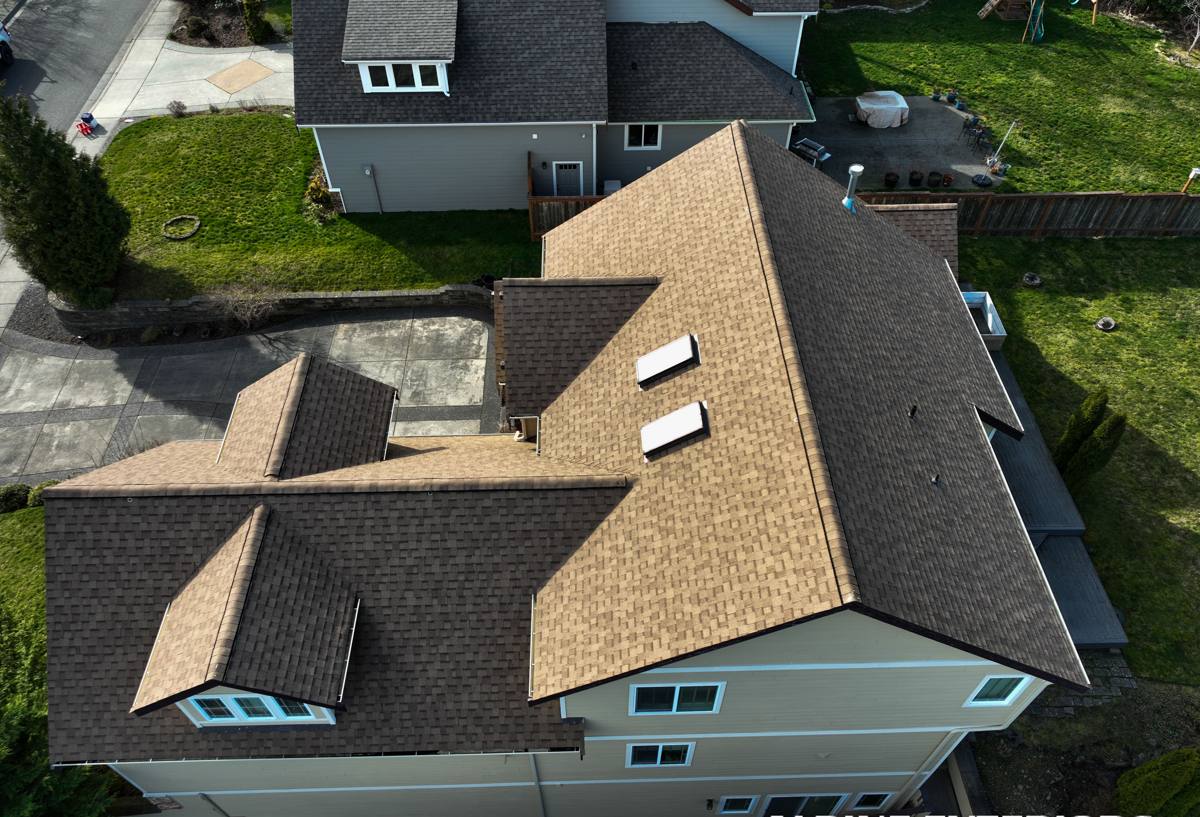
What Blanchard Homes Are Actually Up Against
Salt Air and Corrosion
Proximity to Samish Bay means airborne salt reaches window hardware, fasteners, and metal components even on homes that aren't waterfront. Over years, salt exposure accelerates corrosion on lesser-grade hinges, cranks, and screws, and it can degrade some finishes faster than the manufacturer's warranty assumes. This is one of the biggest reasons hardware quality and finish selection matter more here than in inland Skagit County.
Driving, Wind-Driven Rain
Blanchard's mix of open exposure and elevation means rain frequently arrives at an angle, not straight down. Wind-driven rain finds every gap in flashing, every shortcut in sill pan installation, and every place where sealant was used to compensate for a bad fit instead of proper technique. Water intrusion around windows is one of the most common — and most preventable — sources of hidden rot in this area.
Shade, Tree Cover, and the Long Moss Season
Much of Blanchard sits under heavier tree cover than the open valley floor around Burlington. That shade keeps siding, trim, and window surrounds damp longer after every rain, and it extends the season when moss and algae can take hold. Moss growing against window trim and frames holds moisture directly against wood and finish, which is a slow but steady path to rot and finish failure if it's never addressed.
Signs Your Current Windows Are Losing the Fight
- Soft, discolored, or spongy trim or sill wood around the window frame
- Visible moss or persistent green staining on the window surround, even after cleaning
- Fogging or moisture between panes on double- or triple-glazed units (a failed seal)
- Drafts or a noticeable temperature difference near the window on windy days
- Corroded, stiff, or hard-to-operate cranks, latches, or locks
- Paint or finish that's peeling specifically around the window opening, not the whole wall
- Visible daylight or gaps at the frame when the window is closed
Any one of these on its own might just mean maintenance is due. Two or three together, especially on the side of the house facing the water or prevailing weather, usually means the window or its installation has reached the end of its useful life.
What a Correct Window Installation Actually Involves
The window unit itself is only part of the job. In a climate like Blanchard's, the installation details are what determine whether that window lasts fifteen years or forty.
Sill Pan and Drainage Plane
Every opening should get a proper sill pan that directs any water that gets past the window — and some always will, eventually — back outside the wall assembly instead of into the framing. This is non-negotiable in a wind-driven-rain climate.
Flashing Integration
Flashing has to tie into the house's existing weather-resistive barrier correctly, shingle-style, so water is always directed downward and outward. This is where a lot of window failures actually start — not with the window product, but with flashing that was never properly lapped into the wall system behind the siding.
Fastening and Hardware Selection
Given the salt air exposure common in Blanchard, we pay attention to fastener and hardware corrosion resistance rather than defaulting to whatever's cheapest. It costs little more up front and matters a lot over a decade near the water.
Air Sealing Without Trapping Moisture
The gap between the window frame and the rough opening needs to be sealed for air and insulated, but not packed in a way that traps moisture against the wood. Getting this balance right is a detail that separates a careful installer from a fast one.
Choosing the Right Frame Material for This Area
There's no single "best" window material — the right choice depends on exposure, budget, and how much upkeep a homeowner wants to take on. Here's how the common options actually perform in Blanchard's salt-air, high-moisture conditions:
| Frame Material | Salt Air Performance | Moisture/Moss Resistance | Maintenance |
|---|---|---|---|
| Vinyl | Good — won't corrode | Good; won't rot, but track debris can hold moss/algae | Low — periodic cleaning |
| Fiberglass | Excellent — very stable, low expansion | Excellent; dimensionally stable in wet-dry cycles | Low |
| Wood (unclad) | Poor unless finish is maintained | Requires diligent upkeep; vulnerable to moss-driven rot | High — regular refinishing |
| Wood-clad (vinyl or aluminum exterior) | Good — cladding protects the wood core | Good on the exterior face; interior wood still needs care | Moderate |
| Aluminum | Fair — can corrode without proper coating | Good; won't rot, but can condense/sweat in cold snaps | Low to moderate |
For most Blanchard homes, we steer people toward fiberglass or quality vinyl for the exterior-facing performance, and we're honest that unclad wood exteriors need a real maintenance commitment in this environment — not because the wood is a bad product, but because the climate here doesn't forgive neglect.
What Drives Cost on a Blanchard Window Project
| Factor | Why It Matters Here |
|---|---|
| Number and size of openings | Straightforward — more and larger windows, more material and labor |
| Frame material chosen | Fiberglass and higher-grade vinyl cost more upfront but hold up better against salt air over time |
| Glass package | Double vs. triple pane, and Low-E coatings, affect both comfort and long-term condensation resistance |
| Condition behind the existing window | If flashing or framing has taken on moisture damage, repair adds cost but is essential — covering it up doesn't fix it |
| Access and site conditions | Tree cover, slopes, and second-story openings common in Blanchard can affect labor and staging |
| Trim and finish work | Matching existing trim profiles or upgrading moisture-prone wood trim to a more durable material |
Exact numbers depend on the specific home and openings, which is why we walk the property before quoting rather than pricing over the phone.
Our Process for Blanchard Window Projects
- On-site assessment. We look at each opening, check for existing moisture damage, moss buildup, and flashing condition — not just measure the glass.
- Honest scoping. If we find rot or flashing problems behind an existing window, we tell you before work starts, not as a surprise mid-project.
- Material and glass selection. We walk through frame material and glass package trade-offs based on that window's actual exposure — a shaded, tree-covered opening gets different advice than a south-facing one.
- Removal and prep. Careful removal to protect surrounding siding and trim, with any damaged sheathing or framing addressed before the new unit goes in.
- Installation with full flashing and sill pan integration. This is where most of the long-term performance is decided.
- Sealing, trim, and finish. Final air sealing, trim work, and finish matched to the rest of the home.
- Walkthrough. We show you how the new windows operate and what upkeep, if any, they'll need.
Why It Matters to Hire a Crew That Already Works This Area
Skagit County covers a lot of different microclimates, and Blanchard's combination of salt air, tree cover, and wind-driven rain isn't the same problem set you'd solve in dry inland areas or in denser parts of Burlington itself. A crew that regularly works Blanchard already knows to check for moss-driven trim rot, already defaults to corrosion-resistant hardware without being asked, and already understands where flashing tends to get missed on homes built to older code in this area. That local pattern recognition is worth more than it sounds like — it's the difference between a window that's diagnosed correctly the first time and one that gets "fixed" without anyone catching the real cause.
Simple Maintenance That Extends Window Life Here
- Rinse or gently brush moss and algae off window trim and sills a couple of times a year, especially on shaded sides of the house
- Check and clear weep holes on vinyl and aluminum frames so drainage paths stay open
- Wipe down hardware periodically if the home is closer to the bay — salt residue accelerates corrosion if it's left to sit
- Re-caulk or touch up exterior sealant at the frame perimeter if you notice cracking, rather than waiting for a leak
- Keep an eye on nearby tree branches or shrubs that hold moisture against a window opening
If your windows are showing their age, letting in drafts, or you're planning ahead for a remodel, we're happy to take a look and give you a straightforward, no-pressure estimate for your Blanchard home. Fill out the form below and we'll get in touch to schedule a time to walk the property.