 Burlington
 Window Installation Built for Bow's Weather, Not Just Any Weather
Bow sits close enough to Samish Bay and the greater Puget Sound to catch salt-laden air off the water, and close enough to the foothills to get pounded by driving, wind-blown rain most of the year. Add Skagit County's long, damp moss season and you have a set of conditions that will find every weakness in a window installation within a few winters. A window that would hold up fine in a drier inland climate can fail here in half the time if it isn't installed with this specific environment in mind.
This page is about one job done right in one place: window installation for homes in and around Bow. Not a general overview of windows everywhere — the actual conditions your house faces, and what it takes to install windows that hold up against them.
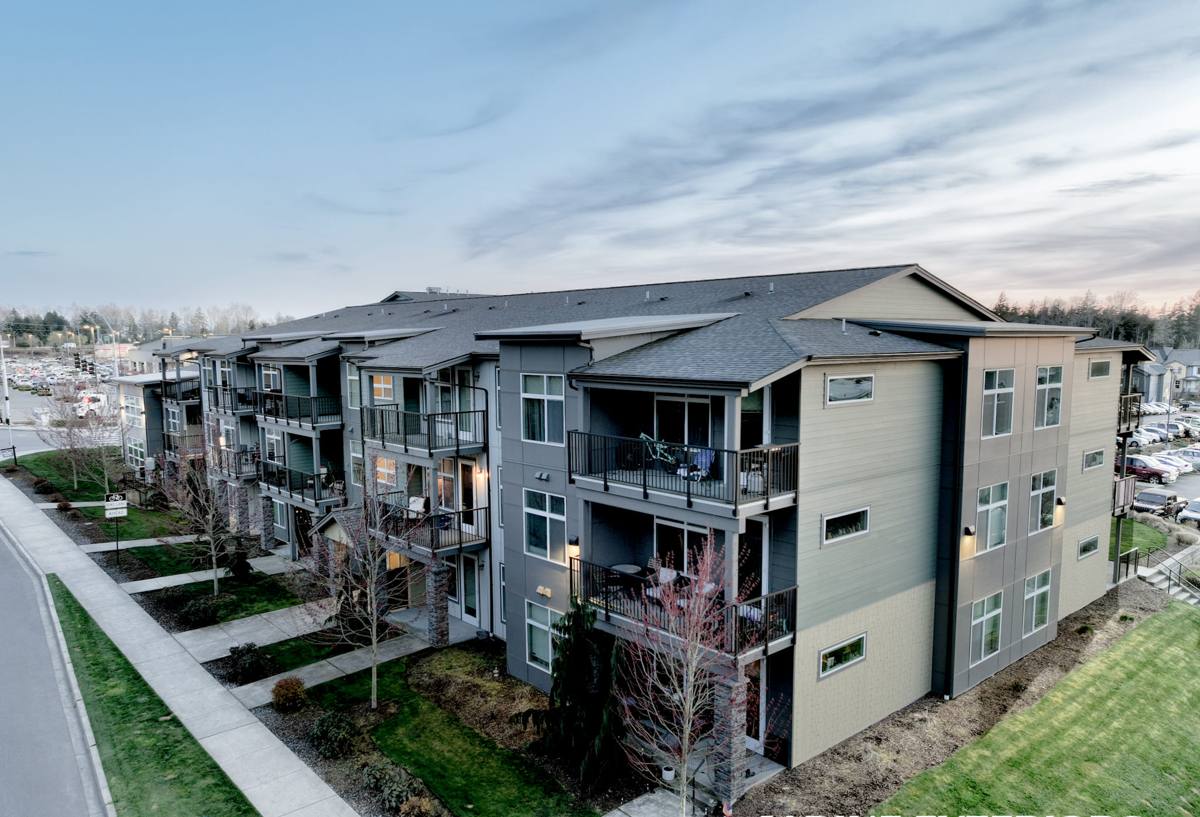
What Skagit County Weather Does to Windows Over Time
Homes in Bow deal with three climate stressors that show up together, which is part of what makes the combination hard on windows:
Salt Air
Airborne salt from nearby waters accelerates corrosion on metal window components — hardware, screen frames, and especially lower-grade fasteners or cladding that isn't rated for coastal exposure. Over years, this shows up as pitting, stiff or seized hardware, and premature failure of anything that wasn't specified for a marine-influenced environment.
Driving Rain
Wind-driven rain doesn't just fall on a window, it pushes against it and works its way into any gap in the flashing or sealant. A window can look perfectly installed from the outside and still leak during a hard westerly storm if the water management behind the trim wasn't done correctly. This is the single biggest cause of the rot and interior damage we get called out for.
Moss and Persistent Moisture
Skagit County's long wet season keeps humidity high around window openings, especially on north- and west-facing walls that don't get much sun to dry out. Moss and mildew growth on sills and trim isn't just cosmetic — it holds moisture against wood and siding longer, which speeds up decay if the installation didn't already account for drainage and airflow.
Signs a Bow Home's Windows Need Attention
Because water damage around windows often develops behind the wall before it's visible on the surface, it helps to know what to check for:
- Soft, spongy, or discolored trim or drywall below or beside a window
- Fogging or a visible film between the glass panes (a failed seal on double- or triple-pane units)
- Windows that are hard to open, close, or lock — often a sign the frame has shifted or swollen
- Visible gaps between the window frame and the siding or trim
- A musty smell near windows, especially after a stretch of rain
- Drafts you can feel on a windy day even with the window fully closed
- Peeling paint or bubbling on interior sills, which usually means moisture is getting in from outside
- Moss or dark streaking building up on the exterior trim around the window
Any one of these on its own might be minor. Several together, especially on the side of the house that takes the worst of the weather, usually means it's time for a real inspection rather than a caulk-and-hope patch.
What a Correct Window Installation Actually Involves
Window installation looks simple from the outside — old window out, new window in — but the parts nobody sees are what determine whether it lasts. In a climate like Bow's, cutting corners here is exactly what leads to the rot and leaks described above.
Flashing and Water Management
Every window opening needs to be flashed so that any water that gets past the exterior finish is directed back out, not down into the wall framing. This means proper sill pan flashing at the bottom of the opening, correctly lapped flashing tape at the sides and top, and integration with the home's existing weather-resistive barrier (house wrap). This layering has to happen in the right order — water managed like shingles, always directed outward and downward, never trapped.
Fastening and Shimming
A window has to be shimmed square, plumb, and level before it's fastened, or it will operate poorly and stress the seals over time. Fasteners need to be the correct type and length for the wall assembly, and placed where the manufacturer specifies — not just wherever is convenient. In salt-air conditions, fastener material matters more than usual; the wrong hardware corrodes faster here than it would inland.
Insulation and Air Sealing
The gap between the window frame and the rough opening needs to be filled with a low-expansion foam or backer rod and sealant designed for that purpose — not packed tight with standard can foam, which can bow the frame and cause the sash to bind. Air sealing here also affects how much moist air can migrate into the wall cavity, which matters in a climate that already runs damp much of the year.
Exterior Sealant and Trim Detail
The visible bead of sealant around the trim is the last line of defense, not the primary one — if a job relies on caulk to keep water out rather than proper flashing, it will fail. Correct trim work also leaves the assembly able to shed water and dry out, rather than trapping moisture against wood that will eventually rot or grow moss.
Choosing a Window Material for Bow's Conditions
There isn't one universally "best" window, but some materials handle salt air, rain, and moisture better than others. Here's how the common options compare for a home in this area:
| Frame Material | Moisture Behavior | Coastal/Salt Air Durability | Maintenance |
|---|---|---|---|
| Vinyl | Doesn't rot; welded corners resist water intrusion when installed correctly | Good — no metal corrosion concerns | Low — occasional cleaning |
| Fiberglass | Very stable, minimal expansion/contraction with moisture and temperature swings | Very good — highly resistant to salt exposure | Low |
| Wood-clad | Interior wood look with an exterior cladding to shed water, but any cladding breach exposes wood beneath | Fair — depends heavily on cladding integrity and installation quality | Higher — cladding seams need periodic inspection |
| Aluminum | Doesn't rot but conducts cold and can condensate; poor thermal performance in this climate | Poor without marine-grade coatings — prone to pitting in salt air | Moderate |
We steer most Bow homeowners toward vinyl or fiberglass for this reason: both hold up to sustained damp weather and salt exposure without the ongoing vigilance that wood-clad or bare aluminum demand. If you want the look of wood-clad windows, that's a reasonable choice too — just go in knowing the cladding needs to be inspected periodically, since it's doing all the work of keeping moisture off the wood underneath.
Glass and Weatherization Details Worth Knowing
Frame material gets most of the attention, but the glass package matters just as much for comfort and condensation control in a wet climate:
- Double- or triple-pane glazing: Triple-pane adds cost but noticeably improves comfort near the window on cold, windy days common here in winter.
- Low-E coatings: Reduce heat loss and help control interior condensation on cold glass surfaces — a common complaint in homes with older single-pane windows through a Skagit County winter.
- Gas fill (typically argon): Improves insulating performance between panes; look for a warranty that specifically covers seal failure and gas loss, not just glass breakage.
- Weatherstripping quality: Compression-style weatherstripping on operable sashes matters more here than in drier climates, since it's fighting near-constant humidity and wind pressure for much of the year.
How Our Installation Process Works
1. On-Site Assessment and Measurement
We look at each opening individually — not every window on a house faces the same exposure. A window on the weather side of the home dealing with direct driving rain gets evaluated differently than one tucked under an eave. We measure precisely rather than estimating, since an ill-fitting window creates gaps that are hard to seal correctly later.
2. Careful Removal and Opening Prep
Old windows come out cleanly, and we inspect the rough opening and surrounding framing for hidden rot or moisture damage before anything new goes in. If we find deteriorated framing — which isn't uncommon on older Skagit County homes — we address it before installation rather than sealing a new window over a compromised opening.
3. Flashing, Setting, and Sealing
This is where the water-management details covered above get executed: sill pan flashing, properly lapped flashing tape, correct shimming, appropriate fasteners, and low-expansion insulation around the frame. We follow manufacturer installation instructions closely, since deviating from them can void the product warranty even if the window itself is fine.
4. Exterior Trim and Final Sealant
Trim is reset or replaced as needed, and exterior sealant is applied as the final layer — again, as a backup to correct flashing, not a substitute for it.
5. Final Walkthrough
We check operation, look for square and level, and confirm the exterior finish is properly sealed before considering the job done.
Why Hiring a Crew That Already Works in Bow Matters
A lot of window installation problems trace back to a crew treating a coastal-influenced Skagit County home the same as a job in a milder, drier region. A crew that regularly works Bow and the surrounding area already knows which walls tend to take the worst weather, how moss and moisture behave on this side of the mountains, and which materials and details are worth the extra attention here versus elsewhere. That local pattern recognition is hard to substitute for, no matter how skilled a crew is in general.
There's also a practical side: a contractor established in this area is easier to reach for warranty follow-up, and understands the local permitting expectations that can apply to window replacement in Skagit County, particularly on older homes or in specific zoning situations.
What Affects the Cost of a Window Installation Project
Every home is different, but the main cost drivers for a Bow-area window installation project are fairly consistent:
| Factor | Why It Affects Cost |
|---|---|
| Number and size of windows | More openings and larger units mean more materials and labor time |
| Frame material | Fiberglass and higher-end vinyl generally cost more upfront than basic vinyl, but often need less long-term upkeep |
| Glass package | Triple-pane and specialty coatings add cost but improve comfort and condensation control |
| Condition of the rough opening | Hidden rot or framing damage found during removal adds repair work before the new window can go in |
| Access and site conditions | Second-story or hard-to-reach windows take more time and equipment |
| Trim and finish work | Full trim replacement costs more than reusing sound existing trim |
Most whole-home replacement projects land somewhere in the low-to-mid thousands depending on how many of these factors apply — we'll always give you the real number for your specific home rather than a rough guess, since window counts and conditions vary so much house to house.
Get a Straight Answer About Your Windows
If you're dealing with drafts, fogged glass, or trim that's starting to show its age on a Bow home, it's worth getting a second set of eyes on it before a wet winter makes the problem worse. We'll walk your windows with you, tell you honestly what needs replacing versus what can wait, and explain the reasoning — no pressure, no upsell. Fill out the form below for a free estimate.