 Burlington
 Bow's Location Puts Extra Demands on Every Window
Bow sits close enough to the water that homes here deal with a different mix of weather than you'll find further inland in Skagit County. Salt-laden air off the bay works its way into hardware and seals over time. Driving rain off Puget Sound-fed storms tests every joint and sill. And the long, damp moss season that defines a Skagit County winter means anything with a flat horizontal surface or a shaded north face stays wet longer than it should. Windows are one of the first things on a house to show the wear from that combination — long before siding or roofing problems become obvious.
A window that was fine when it was installed twenty or thirty years ago often isn't built for what it's being asked to handle now. Seals fail faster near salt air. Wood sashes that aren't maintained every year or two start absorbing moisture. Aluminum frames corrode and stop sealing tightly. None of that is unusual for this area — it's just what happens to windows that weren't specified or installed with Bow's climate in mind.
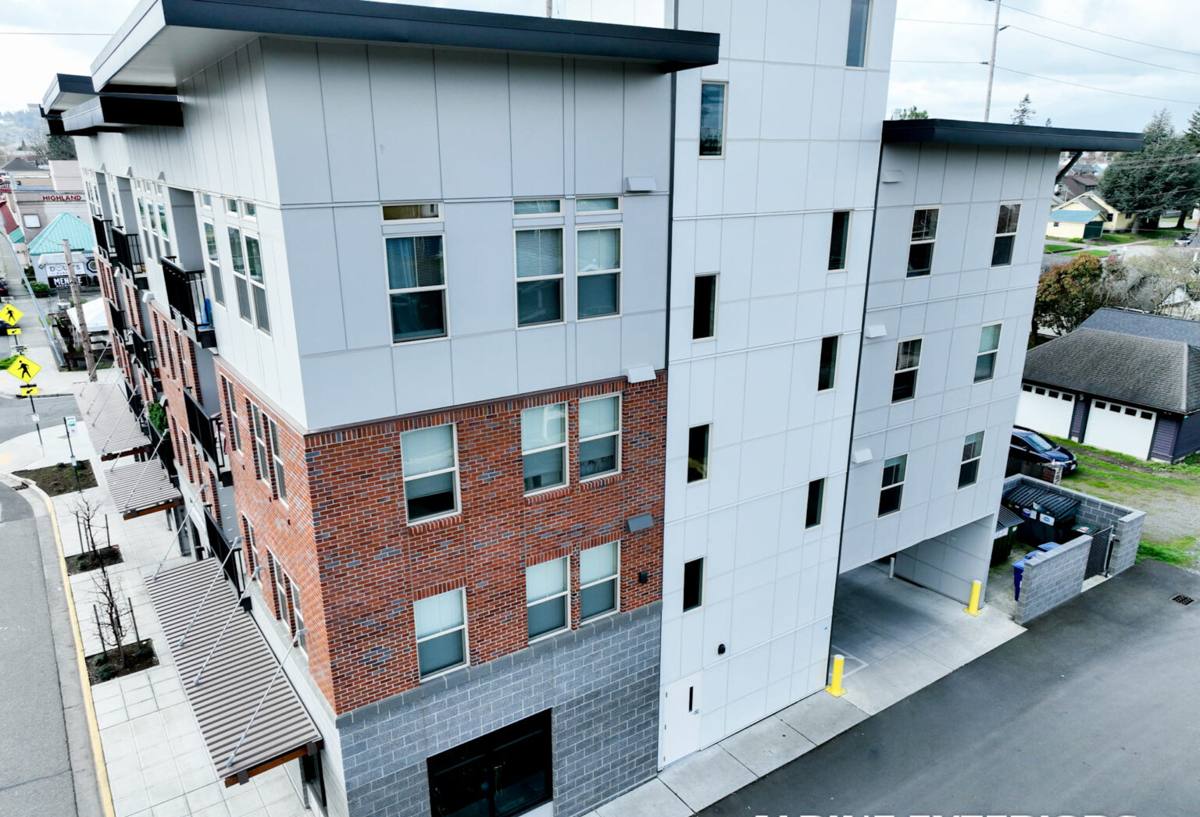
Signs a Bow Home Needs Window Replacement, Not Just Repair
Not every window problem calls for full replacement. But there are a handful of signs that tell us repair is just delaying the inevitable:
- Fogging or a permanent haze between panes of double-glazed glass — the seal has failed and the gas fill is gone
- Visible gaps between the frame and the siding or trim, especially on walls that face prevailing wind and rain
- Soft, spongy, or discolored wood at the sill or lower frame corners
- Windows that are difficult to open, close, or lock — often a sign the frame has swollen or shifted
- Noticeable drafts or a cold wall around the window even with it fully closed
- Condensation forming on the inside of the glass regularly through fall and winter
- Visible moss, algae, or dark streaking building up on the frame or sill faster than the rest of the house
If you're seeing more than one or two of these, especially on the sides of the house that take the worst weather, replacement is usually the more honest recommendation than another round of caulk and weatherstripping.
What a Correct Window Replacement Job Actually Involves
Window replacement done right is mostly about what happens before and around the window itself, not just the window. In a climate that sees as much wind-driven rain as this one does, flashing and water management matter as much as the product you choose.
Removing the Old Window Properly
We pull the old unit out and inspect the rough opening before anything new goes in. This is where hidden problems from years of moisture intrusion tend to show up — soft sheathing, deteriorated house wrap, or old flashing that was never installed correctly in the first place. Catching that now, instead of covering it back up, is what separates a repair that lasts from one that doesn't.
Flashing and Water Management
Every new window gets flashed with a proper sequence at the sill, jambs, and head so that any water that reaches the opening is directed back out and down, not into the wall cavity. This step is invisible once the job is done, but it's the single biggest factor in whether a window replacement holds up through a wet Skagit County winter or causes rot problems five years down the road.
Sealing and Insulation
The gap around the new frame gets insulated and sealed on the interior and exterior with materials suited to the exposure — not just a bead of caulk around the outside trim. Air sealing here also helps with comfort and heating costs, which matters through the damp, cool months typical of this area.
Choosing the Right Window for Bow's Conditions
Frame Material
Vinyl and fiberglass frames are the most practical choices for homes exposed to salt air and constant moisture, because they don't corrode and don't need repainting or refinishing to stay protected. Wood-clad windows can look excellent and are appropriate on some homes, but they carry a higher maintenance burden in this climate — any break in the cladding or finish exposes wood that will absorb moisture and start to fail faster here than it would in a drier inland area. We'll walk through the honest trade-offs for your specific house rather than defaulting to whatever is easiest to sell.
Glass Package
Dual-pane, low-E glass is the baseline we recommend for this area. Argon-filled units with a warm-edge spacer hold up better against the temperature swings and moisture load typical of a marine-influenced climate, and they perform noticeably better for comfort and condensation control than older single-pane or basic dual-pane glass.
Hardware and Weatherstripping
Hardware exposed to salt air benefits from corrosion-resistant finishes, and weatherstripping should be rated for the exposure the window will see. A window that's technically "good quality" can still underperform here if it was designed and warrantied for a drier region.
| Factor | Vinyl | Fiberglass | Wood-Clad |
|---|---|---|---|
| Resistance to salt air / moisture | Strong | Strongest | Depends on cladding integrity |
| Maintenance in this climate | Low | Low | Higher — finish and cladding need monitoring |
| Typical upfront cost | Lower | Mid to higher | Higher |
| Longevity when installed correctly | Good | Very good | Good, if maintained |
| Best fit for exposed, wind/rain-facing walls | Yes | Yes | Better on protected elevations |
Our Window Replacement Process
- On-site walkthrough of every window being considered, checking rough openings, siding condition around each unit, and any signs of past moisture intrusion
- Honest recommendation on which windows need replacement now, which can wait, and which frame and glass options make sense for that wall's exposure
- Written estimate with clear scope — no vague line items
- Careful removal of old units and inspection of the opening before anything new is installed
- Installation with full flashing, air sealing, and insulation at every opening
- Exterior trim and siding integration finished to match the surrounding wall, not just caulked over
- Final walkthrough so you can see and operate every window before we consider the job done
Why It Matters to Hire a Crew That Already Works in Bow
Window replacement isn't a one-size-fits-all product installed the same way everywhere. A crew that regularly works homes in Bow and the surrounding Burlington area already knows which walls tend to take the worst weather, what kind of moisture damage shows up behind older siding in this specific climate, and how to sequence flashing so it actually sheds the driving rain this area gets rather than just looking finished. That local pattern recognition is the difference between a window that's sealed correctly the first time and one that needs attention again in a few years.
There's also a practical side to working locally: we're not scheduling a special trip from out of the area if something needs a follow-up look, and we're already familiar with the building department and permitting expectations that apply to window replacement projects in Skagit County.
Maintaining New Windows Through Bow's Moss Season
New windows still need a little seasonal attention to get their full lifespan out of them, especially given the moss and algae growth common on shaded, damp surfaces here:
- Rinse frames and sills periodically to clear salt residue and organic buildup before it stains or holds moisture
- Check exterior caulking and trim seals once a year, ideally before the wet season starts
- Keep gutters and nearby drainage clear so water isn't sheeting down over window heads
- Operate locks and hardware a few times through the year so they don't seize from disuse
- Wipe down interior sills after heavy condensation events, particularly in unheated or less-used rooms
- Trim back vegetation or landscaping that's shading a window and keeping it damp longer than the rest of the house
None of this is difficult, but it's the difference between a window that looks and performs well for decades and one that starts showing the same problems as the last set sooner than it should.
Getting an Honest Look at Your Windows
Every house in Bow takes the weather a little differently depending on its exposure, age, and how it was originally built. If you're dealing with drafts, fogged glass, sticking sashes, or just want to know whether your windows are holding up the way they should against the salt air and rain this area gets, we're glad to take a look. Reach out for a free, no-pressure estimate — use the form below to get started.