 Burlington
 Storm Damage Roof Repair for Clear Lake, WA
Clear Lake sits inland enough from the Skagit River delta to catch its own weather pattern — funneling winds off the valley, long stretches of driving rain, and a moss season that runs most of the year. Roofs out here don't fail all at once. They get worn down storm by storm: a gust that lifts a shingle tab in November, a widowmaker branch that cracks a few shingles in a January blow, months of standing moisture that finally finds a nail hole. By the time a homeowner sees a stain on the ceiling, the roof has usually been letting water in for a while. Our crew handles storm damage repair calls in Clear Lake regularly enough to know what these roofs typically look like underneath, not just what they look like from the ground.
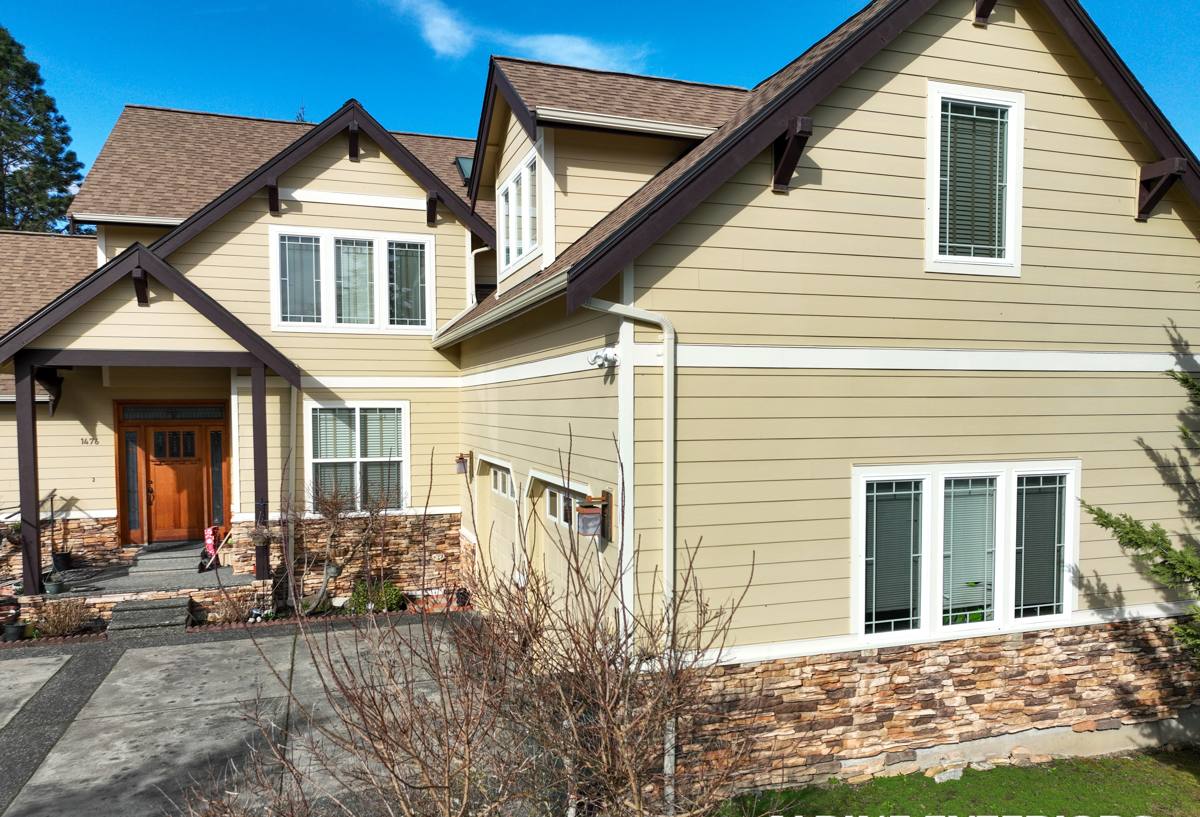
What Actually Counts as Storm Damage Here
"Storm damage" covers more than a roof that's obviously missing shingles. In Skagit County's climate, the damage that costs homeowners the most is usually the kind that isn't visible from the driveway.
Wind Damage
Sustained wind events don't need to be dramatic to do damage. Repeated gusts loosen shingle seals over time, and once a tab lifts even slightly, the next rain drives water underneath it. Older roofs with sun-brittled sealant strips are especially vulnerable — the shingles may look intact but no longer hold a seal.
Impact Damage
Falling limbs and debris are common in wooded and semi-rural stretches around Clear Lake. Impact damage can range from an obvious puncture to a bruised shingle that looks fine but has lost its granule layer and will fail early.
Wind-Driven Rain Intrusion
Burlington's storms often bring rain sideways, not straight down. That means water can work its way under flashing, around vent boots, and past ridge caps that would be fine in a calm rain but not in a driving one. This is the type of damage most often missed by a quick visual check.
Moss and Debris Damming
Moss buildup and trapped needles or leaves hold moisture against the roof surface long after a storm passes. That trapped water works into seams and fastener holes, and over a wet Skagit County winter it can do as much damage as the storm itself.
What a Correct Storm Damage Repair Involves
A repair that only replaces the shingles you can see from the ground is not a complete repair. Doing it right means checking what's underneath and around the visible damage, not just patching the surface.
- Inspecting the decking beneath damaged shingles for soft spots or rot before any new material goes down
- Checking underlayment condition in the affected area, not just at the exact point of damage
- Pulling and re-flashing around vents, valleys, or chimneys if the damage is near a penetration point
- Matching shingle type, color, and exposure as closely as possible so the repair doesn't stand out or shed water differently than the surrounding field
- Confirming proper nail placement and seal-down, especially if the original failure was a sealing issue rather than pure impact
- Clearing moss and debris from the surrounding area so trapped moisture doesn't undo the repair within a season
Skipping the decking and underlayment check is the most common shortcut in storm repairs, and it's the reason some "fixed" roofs leak again at the next heavy rain.
Our Process for Clear Lake Storm Calls
1. Photos and a Straight Answer First
If you can safely get a few photos of the damage or the area where water is coming in, that helps us schedule the right response and gives you an honest first read on urgency before we're even on site.
2. Temporary Protection if Needed
If there's active water entry, our first priority is stopping further intrusion — tarping or temporary sealing — before we talk about the permanent fix. This isn't upselling; a roof that's actively taking on water needs to stop doing that today, not next week.
3. Full Inspection, Not Just the Damaged Spot
We check the area around the visible damage, the attic side if accessible, and adjacent roof sections. Storms rarely damage just one isolated spot, and a full look prevents a second service call for something that was there the whole time.
4. A Written Scope Before Work Starts
You'll know what's being repaired, what materials are being used, and roughly what it will cost before we start — not after.
5. Repair, Cleanup, and a Final Walkthrough
We clear debris, haul away old material, and walk the repair with you so you can see what was done and ask questions on the spot.
Repair vs. Replace: How We Help You Decide
Not every storm-damaged roof needs full replacement, and not every roof is worth patching indefinitely. The right call depends on the roof's age, how widespread the damage is, and how much life is left in the surrounding material.
| Factor | Favors Repair | Favors Replacement |
|---|---|---|
| Roof age | Under 12-15 years, shingles still flexible | Nearing or past typical shingle lifespan |
| Damage extent | Isolated to one section or slope | Spread across multiple areas or slopes |
| Decking condition | Solid, no rot found on inspection | Soft spots or rot found during inspection |
| Shingle match availability | Close match still available | Discontinued color/style, visible patchwork |
| Moss/moisture history | Minor, recently addressed | Long-term buildup with repeated leaks |
We'll tell you honestly if a repair is the right move, even if that means a smaller job than a full replacement. Recommending unnecessary work on storm damage calls is a fast way to lose trust in a small area like Clear Lake, where word travels.
Insurance and Documentation
Many storm damage repairs are at least partially covered under homeowners insurance, depending on the cause and your policy specifics — that's between you and your carrier, and we're not adjusters. What we can do is document the damage clearly with photos and a written scope of work that you can hand to your insurance company. Having that documentation before repairs start, rather than after, tends to make the claims process smoother.
Moss, Salt Air, and Keeping the Next Storm from Doing More Damage
Clear Lake's mix of salt-influenced air moving up from the Sound and heavy tree cover creates ideal conditions for moss and algae growth on roofs, especially on north-facing slopes that stay shaded and damp. Left alone, moss doesn't just look bad — it lifts shingle edges and holds water against the roof surface, which is exactly the kind of slow damage that turns into a bigger storm repair down the line.
A few habits go a long way between storms:
- Keep gutters and valleys clear of needles and leaves so water has somewhere to go
- Have moss physically removed rather than just treated, especially on older roofs
- Trim back branches that overhang the roofline to reduce both debris and impact risk
- Get a post-storm visual check after any significant wind event, even if nothing looks obviously wrong
Signs You Need a Storm Damage Inspection Now
- Granules collecting in gutters or at downspout outlets after a windy stretch
- A ceiling stain that appeared or grew after a storm
- Visible shingle tabs lifted, curled, or missing after high winds
- A tree limb came down on or near the roof, even without obvious puncture damage
- Daylight visible through the attic roof deck
- Moss or debris buildup that's held wet through multiple storms
Why a Crew That Already Works Clear Lake Matters
Storm damage repair isn't just a roofing skill — it's a local one. A crew that regularly works Clear Lake and the surrounding Burlington area already knows what these roofs are up against: the moss patterns on shaded, tree-covered lots, the way wind funnels through the valley during a front, and how quickly standing moisture becomes a real problem in this climate if it's not caught early. That familiarity means a faster, more accurate read on what a storm actually did to your roof, instead of a generic assessment that misses the local wear patterns underneath.
Being local also means we can typically respond faster after a storm event, when temporary protection matters most, and we're not disappearing after the invoice — if something about the repair doesn't hold up, we're a short drive away, not a call center.
If a recent storm left you with damage, or you're just not sure whether what you're seeing needs attention, we're happy to take a look. Fill out the form below for a free, no-pressure estimate — we'll tell you honestly what we find, repair or replace, and what it would take to fix it right.