 Burlington
 Conway's Weather Is Harder on a Roof Than Most People Realize
Conway sits low in the Skagit River delta, close enough to Puget Sound that salt-laden air is a regular part of the weather here, not an occasional event. Add in the driving rain that comes off the water during fall and winter storms, plus the long stretches of overcast, damp days that let moss and moisture-loving growth take hold on anything with a north-facing slope or heavy tree cover, and you have a roofing environment that punishes shortcuts. A roof that would hold up fine in a drier part of the state can fail early here if it isn't detailed correctly for salt exposure, wind-driven water, and near-constant moisture.
Metal roofing, done right, handles this combination better than most other roofing materials available to homeowners in Skagit County. It sheds water fast, doesn't give moss the organic surface it needs to root the way aging asphalt shingles do, and — when the right alloy, coating, and fastener system are used — resists the corrosion that salt air causes over time. The key phrase is "done right." A metal roof installed with the wrong fasteners, the wrong flashing details, or without accounting for local salt exposure can corrode, leak, or loosen years before it should.
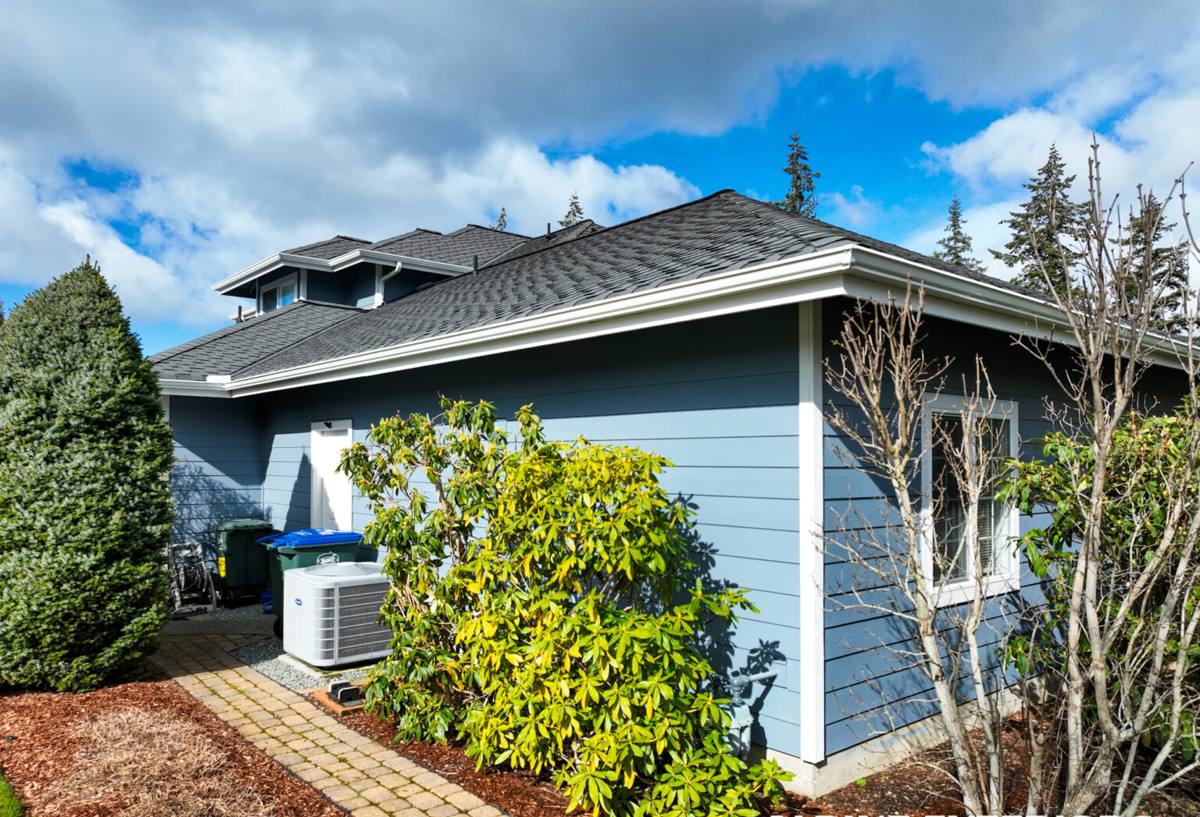
What Conway's Climate Actually Demands From a Metal Roof
Salt Air and Corrosion
Bare or poorly coated steel fasteners and cut edges are the first thing to show rust in a salt-air environment like this one. It's rarely the panel itself that fails first — it's the exposed hardware, the raw edge of a field-cut panel, or a fastener that wasn't rated for the coastal exposure it's now sitting in. Correct installation means using fasteners and flashing rated for coastal or marine-grade exposure, sealing cut edges, and avoiding dissimilar metal contact that speeds up galvanic corrosion.
Driving Rain and Wind-Driven Water
Storms moving through the Skagit Valley often bring rain sideways, not straight down. That means water is being pushed up under laps, around penetrations, and into any gap a fastener pattern leaves loose. A metal roof's real weather resistance comes from its underlayment, flashing, and seam design — not just the panel on top. Skimping on underlayment or flashing detail is where most "metal roof leaks" actually originate.
Moss and Sustained Moisture
Shaded lots and the valley's damp climate keep moss pressure high most of the year. Metal sheds moss better than shingles because there's no granulated surface for spores to grip, but valleys, low-slope sections, and areas where debris collects can still hold moisture long enough for growth to start. Roof design and gutter placement matter as much as the panel choice.
What a Correct Metal Roof Installation Involves
A metal roof is only as good as what's underneath it and how it's fastened down. For a Conway home, that means:
- Full underlayment coverage — synthetic or high-temp ice-and-water underlayment across the whole deck, not just at eaves and valleys, since wind-driven rain can reach areas a standard install would leave thin.
- Corrosion-appropriate fasteners — matched to the panel metal and rated for coastal exposure, torqued correctly so gaskets seal without over-compressing.
- Proper flashing at every transition — valleys, sidewalls, chimneys, and vents detailed so water is directed off the roof, never trapped behind a panel edge.
- Ventilation that matches the assembly — trapped moisture under a metal roof causes condensation problems just as damaging as an exterior leak.
- Panel layout planned for the roof's actual water flow — laps and seams oriented so prevailing wind and rain direction don't work against the seams.
Choosing a Panel System for This Area
Not every metal roofing profile is a good fit for every home, and the choice matters more here than in a milder climate. The two main categories homeowners in the Conway and Burlington area choose between are standing seam and exposed-fastener panels.
| Feature | Standing Seam | Exposed Fastener |
|---|---|---|
| Fastener exposure | Concealed under the seam — no exposed screws to corrode or back out | Screws penetrate the panel face, exposed to weather and salt air |
| Long-term maintenance | Minimal; no gaskets to inspect or replace | Fastener gaskets should be checked periodically and eventually replaced |
| Upfront cost | Higher material and labor cost | More affordable up front |
| Best fit | Homes with heavy salt/rain exposure, low-slope sections, long ownership horizon | Budget-conscious projects, outbuildings, steeper simple roof lines |
| Expected service life | Longer, especially in coastal-influenced air | Shorter than standing seam in the same conditions, largely due to fastener wear |
We install both and will tell you honestly which one fits your roof, your budget, and how long you plan to own the home — a small outbuilding doesn't need the same system as a primary residence sitting exposed to the weather coming off the delta.
Coatings and Finish
The paint or coating system on a metal roof does real work in this climate — it's the first line of defense against fading, chalking, and the early stages of corrosion at scratches or cut edges. We use coating systems suited for coastal and marine air exposure rather than a generic finish rated only for average inland conditions, and we touch up any field cuts before they're left bare.
Our Process, Start to Finish
- On-site assessment — we look at your existing roof deck, ventilation, slope, and exposure to prevailing wind and rain before recommending a system, not after.
- Written estimate — panel type, underlayment, flashing details, and fastener spec laid out clearly so you know what you're paying for and why.
- Tear-off and deck inspection — old roofing removed and the deck checked for rot or soft spots before anything new goes down; problems get flagged and priced before we cover them up, not after.
- Underlayment and flashing installation — the part of the job that determines whether the roof actually stays dry, done to full coverage regardless of what's visible from the ground.
- Panel installation — laid out and fastened to the manufacturer's spec and adjusted for this area's wind and rain exposure.
- Final walkthrough — we go over the finished roof with you, including what maintenance (if any) it needs going forward.
Maintenance in a Damp, Salt-Influenced Climate
One of the real advantages of a correctly installed metal roof is how little maintenance it needs compared to shingles in this climate — but "little" isn't "none." A few habits keep it performing for decades:
- Keep gutters and valleys clear of needles and debris so water and moss-forming organic matter don't sit against the panels.
- Rinse off heavy moss or algae buildup on shaded sections before it packs into seams; don't pressure-wash aggressively into laps or fasteners.
- Have flashing and sealant at penetrations (vents, chimneys) checked periodically — these age faster than the panels themselves.
- After major windstorms, a quick visual check for lifted trim or debris damage catches small issues before they become leaks.
What Affects the Cost of a Metal Roof in Conway
| Factor | Why It Matters |
|---|---|
| Panel system chosen | Standing seam costs more than exposed-fastener panel but needs less upkeep and holds up longer against salt exposure |
| Roof complexity | Valleys, dormers, and multiple roof planes require more flashing labor and material |
| Deck condition | Rot or soft decking found during tear-off adds repair cost before the new roof goes on |
| Tear-off vs. overlay | Full tear-off costs more up front but lets us inspect and fix the deck and address ventilation properly |
| Access and pitch | Steep or hard-to-access roofs take longer and require more safety setup |
Exact pricing depends on your specific roof, but most metal roofing projects in this area run well above asphalt shingle replacement up front, offset over time by a much longer service life and lower maintenance. We'll walk you through real numbers for your home rather than a generic range.
Why Hire a Crew That Already Works in the Conway and Burlington Area
A roofer who mostly works drier, inland conditions can still do a technically fine installation and have it underperform here simply because they didn't account for what this climate actually does to a roof over time — the salt exposure, the direction storms tend to come from, the moss pressure on shaded lots. A crew that regularly works Skagit County roofs already knows which details matter locally: which fasteners hold up, where wind-driven rain tends to find gaps, and how much ventilation a roof needs to avoid condensation in our damp winters. That local pattern recognition is worth as much as any spec sheet.
It also matters for warranty support and follow-up. A contractor based in the area is available if a question comes up two years down the road, not a crew that moved on to a different region after the job wrapped.
Signs Your Current Roof May Need Attention
- Heavy moss growth on shaded or north-facing sections that keeps coming back after cleaning
- Rust streaking at fasteners, flashing, or panel edges on an existing metal roof
- Granule loss, curling, or bare patches on an aging asphalt shingle roof
- Water staining on interior ceilings after wind-driven storms
- Visible sagging, soft spots, or lifted flashing at valleys and penetrations
If you're seeing any of these, it's worth having the roof looked at before the next storm season rather than after a leak shows up inside the house.
If you're in Conway or elsewhere around Burlington and want an honest look at whether metal roofing makes sense for your home, we're happy to come take a look. The estimate is free, there's no pressure, and you'll get a straight answer about what your roof actually needs — use the form below to get started.