 Burlington
 Windows Built for Conway's Weather, Not Just the Showroom
Conway sits low in the Skagit River delta, close enough to salt water that homes here take on a different kind of weathering than houses further inland around Burlington. Wind carries salt air across the flats, driving rain comes in sideways off the water more often than most homeowners expect, and the long gray stretch from fall through spring gives moss and algae months to work into anything that holds moisture. Windows are one of the first places that shows up — swollen sashes, cloudy glass between panes, sills that stay damp long after the rain stops, and frames that never quite dry out between storms.
None of that means Conway homes need exotic products. It means the installation has to respect water the whole way through — how it's shed off the wall, how it's stopped at the opening, and how it's allowed to drain if it ever gets past the first line of defense. A window that's a perfectly good product but poorly flashed will fail here faster than it would in a drier part of the state, and a mediocre window installed correctly will usually outlast it.
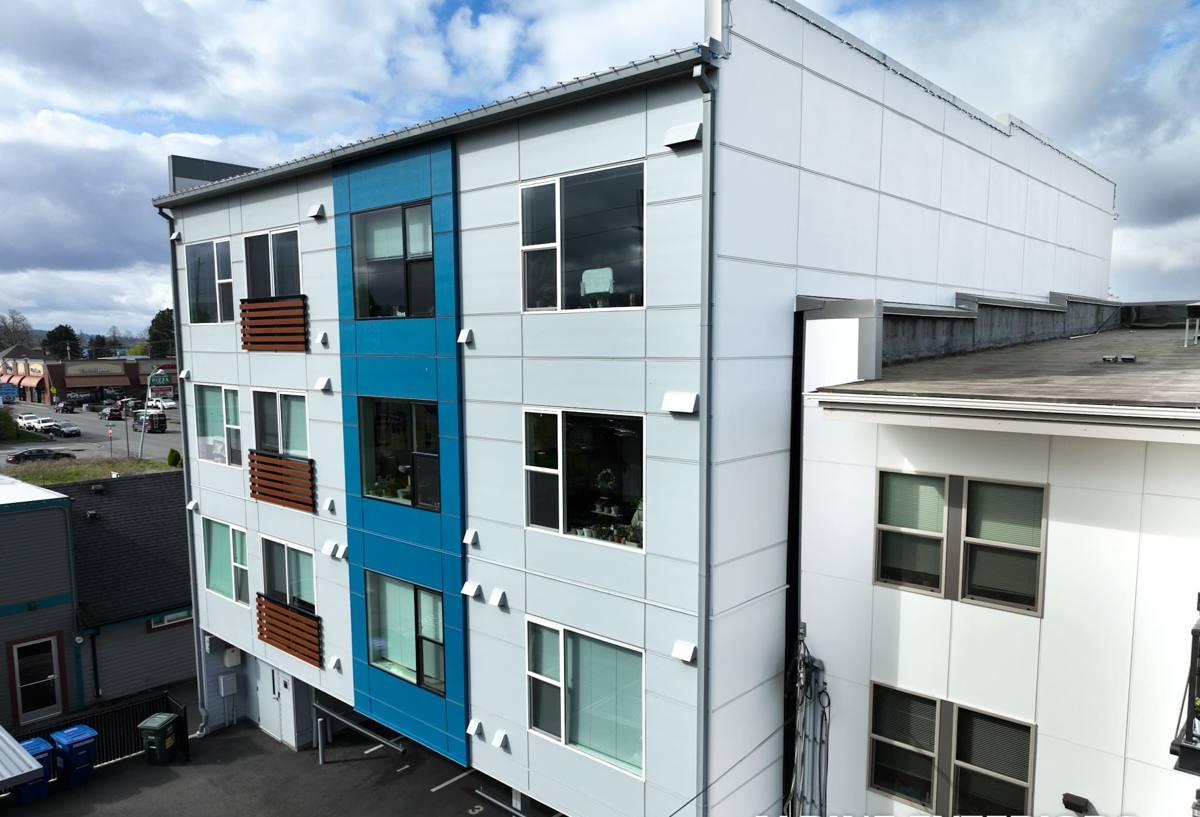
Signs a Conway Home's Windows Are Past Their Prime
Because of the salt air and near-constant moisture exposure in this area, window problems tend to show up earlier and more visibly than they would in a drier climate. Worth checking for:
- Wood or composite sills that feel soft, spongy, or stay damp days after the last rain
- Visible fogging or a milky haze between panes of double-pane glass — a sign the seal has failed
- Moss or dark green streaking building up on the sill, trim, or lower corners of the frame
- Drafts you can feel near the frame even when the window is fully latched
- Paint that's bubbling, peeling, or chalking specifically around the window opening rather than the whole wall
- Difficulty opening, closing, or locking windows that used to operate smoothly
- Visible daylight or gaps at the corners of the frame from outside
Any one of these on its own might just be cosmetic. A few of them together, especially on the sides of the house that catch the prevailing weather, usually means water has been getting past the original installation for a while.
What a Correct Window Installation Actually Involves
Window installation gets treated like a simple swap — old one out, new one in, caulk the edges. In a climate that sees this much driving rain and salt-laden humidity, that shortcut is exactly what leads to rot and callbacks a few years down the road. A correct installation is really a small water-management project built around the opening.
Removal and Opening Inspection
Before a new window goes in, the old one comes out carefully enough to inspect the rough opening — sill, jack studs, and sheathing — for hidden rot or past water intrusion. This is often the only point in a home's life where that framing is fully visible, and it's the right time to catch and fix problems instead of covering them back up.
Flashing and Weatherproofing
This is the step that matters most in a coastal-influenced climate like Conway's. Proper flashing — a sill pan to catch and direct any water that gets past the window, and correctly lapped house wrap or building paper at the jambs and head — routes water back out of the wall instead of letting it pool against wood framing. Skipping or shortcutting this is the single biggest reason window installations fail early near the water.
Setting, Shimming, and Sealing
The window has to be set plumb, level, and square, then shimmed so it isn't relying on the frame to hold its shape — a racked window won't operate smoothly or seal correctly over time. Insulation around the frame should allow for some air movement rather than being packed solid, and exterior sealant goes on in the specific spots that shed water while leaving a path for any moisture that does get in to escape.
Trim, Finish, and Final Check
Interior and exterior trim gets refit or replaced, gaps get sealed, and the window gets operated through its full range — opening, closing, locking — before the job is called done.
Choosing a Window Type for This Climate
There's no single "best" window for every home, but frame material does matter more here than in a drier region because of how much moisture and salt-laden air the exterior sees over a Skagit County winter.
| Frame Material | Moisture & Salt Air Resistance | Maintenance | Typical Fit |
|---|---|---|---|
| Vinyl | Good — won't rot or corrode, seams are the main watch point | Low — occasional cleaning | Most common replacement choice; good value |
| Fiberglass | Very good — dimensionally stable, resists warping in wet/dry cycles | Low | Homes wanting longevity and minimal upkeep |
| Wood-clad | Depends on cladding integrity — exposed wood is a maintenance liability here | Higher — finish and seals need periodic attention | Homes prioritizing a wood interior look, with disciplined upkeep |
| Aluminum | Prone to condensation and, over time, corrosion in salt air without a thermal break | Moderate | Less common for residential retrofits in this area |
Our standard practice leans toward vinyl and fiberglass for most Conway-area replacements — not because other materials can't be made to work, but because they hold up with the least ongoing maintenance in a climate that doesn't give exterior wood or exposed metal much of a break.
What Drives the Cost of a Window Job Here
Every home is different, but the same handful of factors move the price up or down on most window installations in this area:
| Factor | Why It Matters |
|---|---|
| Number and size of openings | More or larger windows mean more material and labor time |
| Condition of the existing opening | Rot or framing repair found during removal adds time before the new window can go in |
| Frame material chosen | Vinyl, fiberglass, and wood-clad carry different material costs |
| Retrofit vs. full-frame replacement | Full-frame replacement resets the flashing and is more involved than an insert replacement |
| Trim and finish work | Matching existing interior or exterior trim adds labor |
| Access and site conditions | Second-story or hard-to-reach windows take more setup time |
We don't quote from a general price list because the condition behind the old window — which you can't see until it's out — is often the biggest variable. That's exactly why we walk the openings in person before giving a number.
How We Handle a Conway Window Project
- On-site assessment — we look at each opening, note visible signs of water intrusion or wear, and talk through what you're hoping to solve, whether that's drafts, appearance, or failing seals
- Measurement and product selection — accurate measurements and a frame material discussion based on your budget and how exposed that side of the house is to weather
- Ordering and scheduling — we build in a realistic timeline rather than promising a date we can't hit
- Removal and opening inspection — the old window comes out and we check the framing before anything new goes in
- Installation — proper flashing, shimming, insulation, and sealing as described above
- Trim, cleanup, and walkthrough — we finish the trim work, clean up debris, and operate every window with you before we call the job done
Why a Crew That Already Works Conway Matters
Window installation done right depends on understanding how a specific house sits in its specific environment. A crew that regularly works Conway and the surrounding Burlington area already has a feel for which sides of a house take the worst of the driving rain, how quickly moss builds back up on north-facing trim, and what the salt-influenced air does to hardware and sealants over a few seasons. That's not something you can fully substitute with a generic install checklist — it comes from having done the work in this specific stretch of Skagit County, on homes dealing with the same weather yours does.
It also matters for the practical side of a project: knowing local permitting expectations, being reachable if a question comes up after the install, and being around next season if something needs a look — not just for the length of one job.
Keeping New Windows Performing Through Moss Season
A correctly installed window still benefits from a little upkeep in a climate like this one:
- Rinse sills and tracks periodically during the wet months to keep moss and algae from taking hold
- Check that weep holes on the exterior sill stay clear so water can drain out as designed
- Look over exterior sealant once a year and touch up anywhere it's cracked or pulled away
- Wipe down tracks and hardware before winter so moving parts don't seize up in the cold, damp months
None of this is heavy work, but skipping it is how a well-installed window ends up looking and performing like a poorly installed one after a few winters.
If your Conway home has windows that are drafty, foggy, hard to operate, or just original to a much older build, we're happy to take a look and give you a straightforward, no-pressure estimate — no obligation, just an honest read on what's actually going on with your windows. Use the form below to get started.