 Burlington
 Windows That Actually Hold Up in Sedro-Woolley
Sedro-Woolley sits in the Skagit River valley, close enough to the water that the same marine weather pattern that soaks Burlington and the rest of Skagit County reaches it too — just with a bit more forest cover and river humidity mixed in. That combination of driving rain, damp air that rarely fully dries out, and a long moss-and-mildew season from fall through spring is hard on windows that weren't built or installed with this climate in mind. We see the same failure patterns on older homes in Sedro-Woolley that we see across the rest of our Burlington service area: fogged glass, soft trim, and frames that have taken on water for years before anyone noticed.
Custom windows aren't about upgrading for the sake of it. They're about matching the window — size, material, glazing, and installation detail — to the actual opening in your home and the actual weather that opening has to withstand. That's a different job than ordering a standard size off a shelf and trimming the gap with extra caulk.
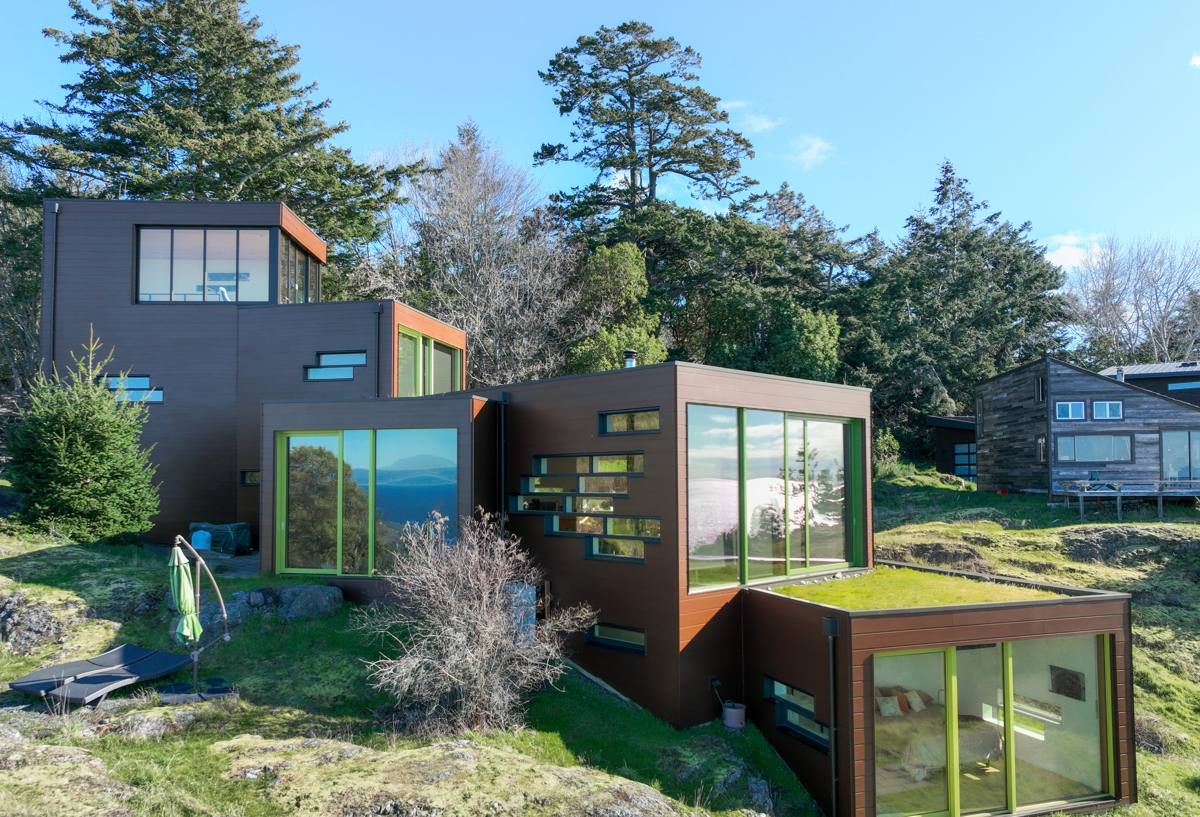
What "Custom" Means in Practice
Most homes in Sedro-Woolley and the surrounding Burlington area are older stock — farmhouses, post-war bungalows, and additions built over multiple decades. Rough openings on these houses are rarely a perfect match for standard manufactured sizes. "Custom" means:
- The window is built to the exact dimensions of your opening, not the closest stock size with shims and extra trim to fill the gap
- Frame material and glazing are chosen for that specific window's exposure — a west-facing window catching afternoon storms needs different consideration than a sheltered north window
- Flashing and drainage details are built around your home's actual wall assembly, not a generic install spec
- Grille pattern, color, and hardware match your home's style instead of forcing a one-size approach across a mixed-era house
This matters more in Skagit County than in drier climates. A window that's slightly undersized for its opening, or installed with generic flashing that doesn't match how your specific siding sheds water, is the kind of small mismatch that turns into a rot problem after a few wet winters.
Frame Material: What Holds Up Locally
We get asked constantly which material is "best." The honest answer is that it depends on the window's exposure, your budget, and how much long-term maintenance you want to take on. Here's how the common options actually perform in Skagit Valley conditions:
| Material | Moisture Performance | Maintenance | Typical Fit |
|---|---|---|---|
| Vinyl | Won't rot; seams and welds need to be done well to stay watertight long-term | Low — occasional cleaning | Most budget-conscious replacements; solid all-around choice |
| Fiberglass | Excellent — dimensionally stable in wet/dry swings, resists warping | Low | Higher-exposure walls, larger openings, longer-term ownership |
| Wood-clad | Good if cladding and sealant details are maintained; interior wood look | Higher — sealant and paint upkeep matter | Historic or character homes where interior wood trim is a priority |
| Aluminum | Poor thermal performance, prone to condensation in our humidity without thermal breaks | Moderate | Rarely our recommendation for Skagit County residential work |
We don't push one brand or material on every job. Our standard is picking what fits the opening, the exposure, and your budget honestly — and telling you the trade-off up front rather than glossing over it.
A Note on Aluminum-Frame Windows
Aluminum frames conduct heat and cold efficiently, which in a climate like ours means condensation on the interior frame during cold, wet stretches — the moisture has to go somewhere, and it often ends up in the sill and surrounding wall. We install aluminum only when a specific design calls for it and thermal breaks are part of the spec. For most Sedro-Woolley homes, vinyl or fiberglass gives a better long-term result without that condensation risk.
Signs Your Current Windows Are Losing the Battle
Skagit Valley weather doesn't fail a window overnight — it wears it down over several rainy seasons. Homeowners in Sedro-Woolley usually notice one of these first:
- Fogging or a visible haze between panes of double-glazed windows — the seal has failed and moisture is inside the glass unit itself
- Soft or spongy trim and sill wood when pressed
- Visible moss or dark streaking at the top corners of the frame or on the sill
- Drafts you can feel even with the window latched, especially during wind-driven rain
- Difficulty opening or closing — swollen wood or warped vinyl from repeated wet/dry cycling
- Paint or finish peeling specifically around the window, even if the rest of the wall looks fine
Any one of these on its own isn't an emergency. Several together, especially on the same window, usually means water has been getting behind the frame for a while and it's worth having someone look at the actual wall assembly, not just the glass.
Our Installation Process
1. On-Site Assessment
We look at each opening individually — not just measure for a new window, but check the condition of the existing framing, sill, and any water staining or soft wood that needs to be addressed before a new window goes in. Installing a good window into a compromised opening just hides the problem.
2. Custom Order
Once we know the exact opening dimensions and the exposure conditions, we order windows built to fit — not the nearest stock size. This also means grille pattern, glass options (including obscure or tempered glass where code requires it), and hardware finish are chosen for your specific window.
3. Removal and Prep
Old windows come out carefully so we can inspect the framing underneath. Any rot or soft wood gets addressed at this stage — cutting corners here is exactly how a "new window" ends up with the same water problem in three years.
4. Flashing and Weatherproofing
This is the step that matters most in our climate and gets skipped most often by less careful crews. Proper flashing tape, a correctly lapped weather-resistive barrier, and sill pan drainage give wind-driven rain somewhere to go besides your wall cavity.
5. Install, Seal, and Finish
The window is set, shimmed level and square, insulated around the frame (not overpacked, which can bow the frame), and sealed with exterior-grade sealant rated for our temperature and moisture range. Interior and exterior trim is finished to match your home.
Energy Performance and Everyday Comfort
Beyond keeping water out, window performance shows up directly in comfort and heating costs through the Skagit Valley's long, damp, cool season. Look for these when comparing options:
- U-factor — lower is better for keeping heat inside during our cold, wet months
- Low-E glass coatings — help manage heat loss without darkening the room noticeably
- Argon or krypton gas fill — improves insulation between panes on dual- or triple-glazed units
- Air infiltration rating — lower numbers mean fewer drafts during wind-driven storms, which matter more here than in calmer climates
A properly sealed, well-rated window also reduces interior condensation on cold mornings — which, in turn, reduces the moisture available for mold and mildew to take hold on sills and trim.
Moss, Mildew, and Ongoing Maintenance
The long moss season that defines exterior maintenance across Skagit County doesn't spare window frames and sills. Organic growth on wood sills or in vinyl seams holds moisture against the frame long after a storm has passed, which accelerates whatever wear is already happening. A few habits keep new windows performing the way they're supposed to:
- Rinse sills and frames during a general exterior cleaning, especially after fall leaf drop and before winter storms settle in
- Keep gutters and downspouts clear so runoff isn't sheeting directly across upper-story windows
- Check exterior sealant annually — caulking is a wear item, not a one-time install step, and Skagit Valley's freeze-thaw and wet-dry cycling breaks it down faster than a drier climate would
- Trim back vegetation or tree cover that keeps a window shaded and damp longer than the rest of the house
Why Hire a Crew That Already Works This Area
Sedro-Woolley and Burlington homes span a wide range of construction eras and styles, and the water and moss patterns that affect them are specific to this valley — not identical to what a crew coming from a drier region east of the mountains, or even from a different part of western Washington, might expect. A crew that regularly works Skagit County jobs already knows which flashing details actually hold up here, which materials fight moss and mildew best, and what to check for in older framing before a new window goes in. That local pattern recognition is the difference between a window that's installed correctly and one that's installed to a generic spec that happens to work in a different climate.
What to Expect on a Sedro-Woolley Job
- Free on-site assessment of your openings and current window condition
- Honest recommendation on material and glazing for each window's exposure — not a single upsell package
- Written estimate with a realistic timeline before any ordering begins
- Custom-built windows to your exact opening dimensions
- Careful removal, framing inspection, and proper flashing on install day
- Finished trim work and a walkthrough before we consider the job done
If your windows in Sedro-Woolley are fogging, drafting, or showing water damage — or you're planning ahead for a full replacement — we're happy to take a look and give you a straight answer about what's actually going on. Reach out for a free, no-pressure estimate using the form below.