 Burlington
 Deck Repair Built for Mount Vernon's Climate
Mount Vernon sits in the heart of Skagit County, close enough to the water and the valley floor that decks here take on a specific kind of punishment. It isn't one big storm that wrecks a deck — it's the accumulation of a wet fall, a mossy winter, a damp spring, and maybe six good weeks of dry weather to actually recover before the cycle starts again. Add in the salt-tinged air drifting up from Puget Sound and Skagit Bay, and you get fasteners that rust faster than inland hardware, and wood that never fully dries out between rains.
We're a Burlington-based crew, and Mount Vernon is part of our regular route, not a special trip. That matters more than it sounds like it should. A deck repair here isn't just carpentry — it's carpentry that accounts for how this specific stretch of the valley behaves through a full year of weather.
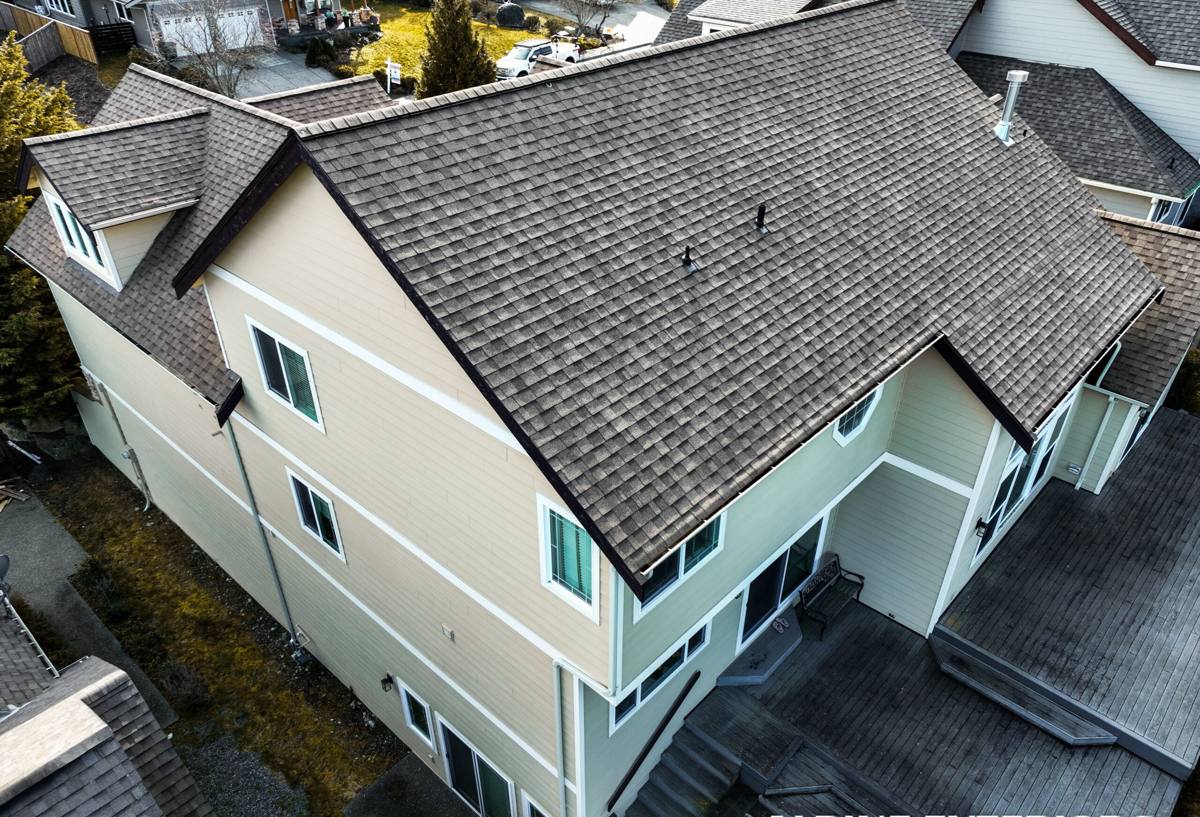
What the Local Climate Actually Does to a Deck
Driving Rain and Standing Moisture
Skagit County doesn't just get rain — it gets rain pushed sideways by wind off the water, which finds its way into joints, under flashing, and behind ledger boards that weren't detailed correctly the first time. Once moisture gets past the surface of a deck, it doesn't evaporate quickly in our climate. It sits in end grain, in fastener holes, and in the gap between decking boards and joists, doing slow damage that isn't visible from the top.
Moss, Algae, and Organic Growth
The long moss season here is real, and it's not just cosmetic. Moss and algae hold moisture against the wood surface far longer than bare wood would hold it on its own, and that constant dampness accelerates rot, especially on horizontal surfaces like deck boards and stair treads that don't shed water as fast as a roof or wall would. Green, slick boards are also a slip hazard, particularly on stairs.
Salt Air and Metal Fasteners
Homes closer to the water deal with a faster corrosion rate on nails, screws, and structural hardware. Once a fastener starts rusting, it loses holding strength, and a joist hanger or ledger bolt that's corroding is a structural problem, not a cosmetic one. This is one of the most common root causes we find on older decks that "just started feeling wobbly."
Signs a Mount Vernon Deck Needs Repair
Most deck problems don't announce themselves with a dramatic failure — they show up as small warning signs first. Here's what we tell homeowners to watch for between now and your next dry stretch:
- Soft or spongy spots underfoot, especially near the house or at board ends
- Visible gaps, cracking, or splintering where boards meet
- Rust streaks running down from screws, nails, or metal brackets
- A railing or post that flexes or moves when you lean on it
- Persistent green or black staining that doesn't wash off with normal cleaning
- Stairs that feel bouncy or treads that have started to cup
- Any gap or separation where the deck attaches to the house (the ledger board)
- Water pooling on the surface instead of draining off
Any one of these on its own might be minor. Several at once, or anything involving the ledger board or main support posts, means it's worth a real inspection before it becomes a safety issue rather than a maintenance item.
Repair vs. Replacement: How We Make That Call
Not every deck problem means starting over, and we don't default to "replace it" just because that's a bigger job. The honest answer depends on what's actually failing underneath the surface.
| Situation | Usually Repair | Usually Replace |
|---|---|---|
| A few soft or damaged deck boards | Yes — spot replacement | No |
| Rusted or failing fasteners, structure otherwise sound | Yes — re-fasten with correct hardware | No |
| Rot in the ledger board or rim joist | Sometimes, if caught early | Often, if rot has spread |
| Widespread soft framing across multiple joists | No | Yes |
| Structure is sound but surface is worn, faded, or outdated | Yes — resurfacing | No |
| Deck was built without proper flashing or ledger attachment | Sometimes, with retrofit | Often, for safety |
We'll always tell you which category your deck falls into and why, including when a repair is the more sensible choice than a full rebuild — that's not the more profitable job for us, but it's the honest one.
What a Correct Repair Actually Involves
Starting With the Structure, Not the Surface
A repair that only replaces visibly damaged boards without checking what's underneath is a repair that doesn't hold up. We start by getting underneath the deck when possible, checking joists, the ledger board connection, post bases, and any area where water has clearly been sitting. Surface boards can look fine while the framing underneath them is already compromised.
The Ledger Board Connection
The ledger board — where the deck attaches to the house — is the single most important connection on most decks, and it's also the one most likely to trap moisture if it wasn't flashed correctly when originally built. Water that gets behind the ledger and can't escape will rot both the ledger and the rim joist of the house itself. Correcting this properly means proper flashing, not just caulk over a gap.
Fasteners and Hardware
Given the salt air and moisture in this area, we use corrosion-resistant fasteners and structural hardware rated for exterior, coastal-influenced conditions — not the cheapest box of deck screws available. Mixing metals (for example, the wrong screw in a joist hanger) accelerates corrosion through galvanic reaction, so matching hardware correctly matters more here than it would in a drier inland climate.
Board Replacement and Fit
When we replace decking boards, we account for gapping and expected seasonal movement. Boards installed too tight in our wet climate swell, cup, and trap moisture between them; boards installed too loose let debris and moisture collect in a way that also causes problems. Getting the gap right is a small detail that has an outsized effect on how long a repair lasts.
Decking Materials: How They Hold Up Locally
We get asked often whether a repair should stay with the existing material or switch to something else. Here's the honest comparison for this climate specifically:
| Material | Moisture/Moss Behavior | Maintenance Needed | Typical Lifespan Here |
|---|---|---|---|
| Pressure-treated wood | Absorbs moisture, prone to moss/algae without upkeep | Regular cleaning, periodic sealing | 10–20 years with maintenance |
| Cedar | Naturally more rot-resistant, still needs care | Sealing or staining every few years | 15–20 years with maintenance |
| Composite decking | Doesn't absorb like wood, but can still grow surface algae in shade | Periodic washing, no sealing needed | 25+ years, varies by product |
Composite has real advantages in a climate like ours because it doesn't take on moisture internally the way wood does, but it isn't maintenance-free — surface mildew and algae still need occasional cleaning, especially on shaded sections of a deck near the house. We'll walk you through the honest trade-offs for your specific deck rather than pushing one material as a blanket answer.
Our Repair Process
- Inspection. We look at the deck from above and below, checking framing, ledger connection, posts, and fasteners, not just the visible surface.
- Honest assessment. You get a clear explanation of what's actually wrong, what's cosmetic versus structural, and what your real options are.
- Written scope and estimate. No vague verbal promises — you know what's being repaired and roughly what it will cost before work starts.
- Repair work. Structural issues get addressed first — framing, ledger, hardware — before any surface or cosmetic work happens.
- Final check. We walk the deck with you when it's done so you can see and feel the difference, especially around any area that was previously soft or loose.
What Drives the Cost of a Deck Repair
Every deck is different, so we won't quote a number without seeing the actual damage, but these are the factors that typically move a repair estimate up or down:
| Cost Factor | Why It Matters |
|---|---|
| Extent of rot or structural damage | A few boards is a small job; compromised framing is a bigger one |
| Ledger board condition | Ledger and flashing repair is more involved than surface board swaps |
| Accessibility underneath the deck | Low clearance or enclosed skirting adds labor time |
| Material choice for replacement boards | Composite and cedar cost more upfront than pressure-treated |
| Railing and stair condition | Code-related railing or stair fixes add scope |
| Deck size and layout | Larger or multi-level decks take more time to inspect and repair |
Small board-and-fastener repairs are often a modest, contained cost. Anything touching the ledger board, main framing, or stairs runs higher because it's structural work, not cosmetic — but it's also the kind of repair that protects the rest of the deck's lifespan, so it's worth doing right rather than patching around it.
Maintenance That Extends a Repair's Life
A good repair is only half the equation in this climate — what you do afterward matters too. A simple seasonal routine goes a long way here:
- Sweep debris and standing leaves off the deck before the wet season sets in
- Wash off moss and algae buildup at least once a year, more often on shaded sections
- Check the ledger board area and any flashing for gaps or staining once a year
- Reseal or re-stain wood decking on the manufacturer's recommended schedule, not just when it looks faded
- Keep gutters and downspouts clear so runoff isn't dumping extra water onto or near the deck
- Address small soft spots or loose boards immediately rather than waiting for them to spread
Why Hiring a Crew That Already Works Mount Vernon Matters
A deck repair done by someone unfamiliar with Skagit County conditions can still look fine the day it's finished and still fail early, because the failure mode here isn't obvious from a dry-day inspection. We work Mount Vernon regularly out of our Burlington base, so we're not guessing at how a ledger connection will hold up through a wet winter or whether a given fastener will hold up against the salt air coming off the water. We've seen what actually goes wrong on decks in this specific area, and we build and repair around those failure points rather than around a generic checklist.
That local familiarity also means faster response and follow-up if something needs a second look after the first heavy rain of the season — we're not driving in from out of the area to check on our own work.
If you've got soft spots, rust stains, or a deck that just doesn't feel as solid as it used to, we're happy to come take an honest look. The estimate is free, there's no pressure, and you'll get a straight answer about what your deck actually needs — use the form below to get started.