 Burlington
 Windows Built for La Conner's Waterfront Climate
La Conner sits right on the Swinomish Channel, which means homes here deal with a different set of conditions than houses a few miles inland in Burlington or Mount Vernon. Salt-laden air off the water, wind-driven rain that comes at the glass sideways instead of straight down, and a long stretch of damp, low-light months all put extra stress on windows. We're a Burlington-based crew that works this stretch of Skagit County regularly, and La Conner's older homes and tighter lots come with their own set of quirks we've learned to plan for.
Energy-efficient windows aren't just about a lower power bill, though that matters here too. In a marine climate, the window is also your first line of defense against moisture intrusion, hardware corrosion, and the slow rot that shows up years later behind trim nobody's looked at closely. Get the product and the install right the first time, and you're not dealing with soft sills or fogged glass a few winters down the road.
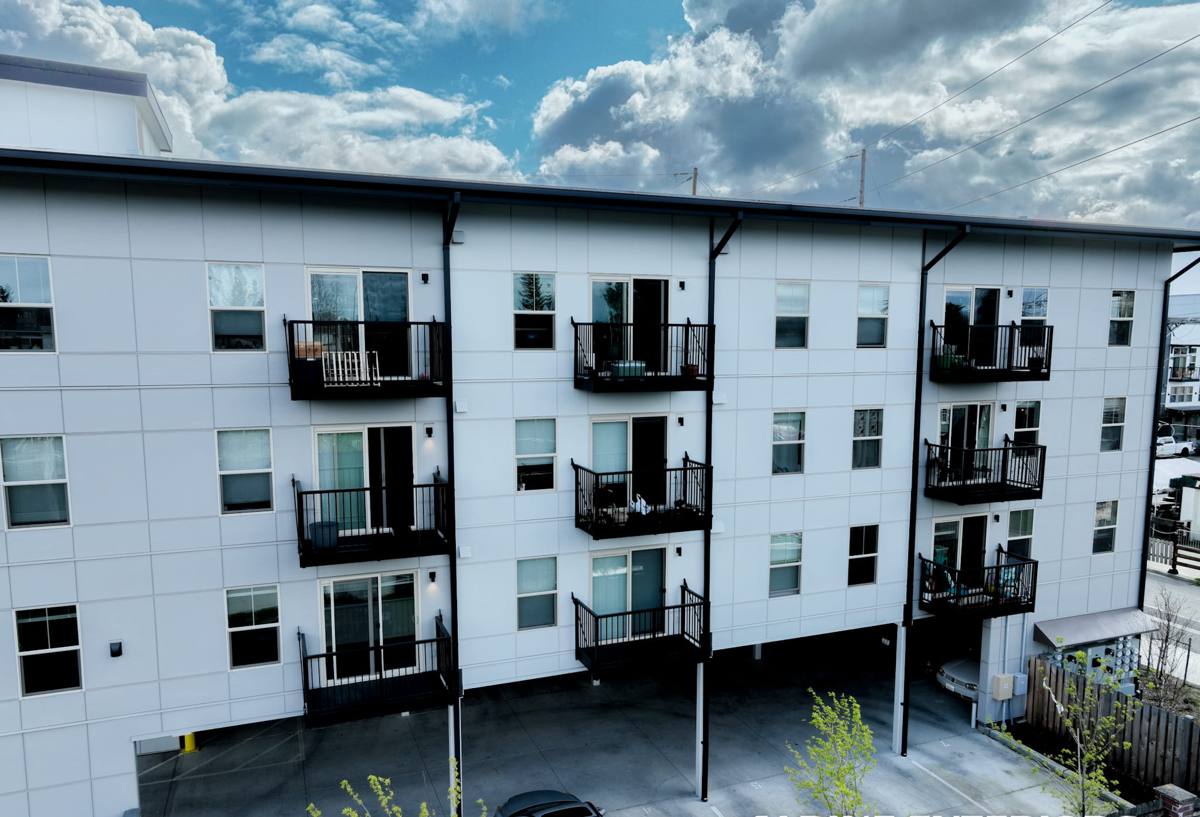
What Salt Air and Driving Rain Actually Do to a Window
Salt air and hardware
Salt-carrying air corrodes exposed metal faster than it would a few miles inland. Cheap window hardware — hinges, cranks, locks, and especially screen frames — can start pitting or seizing up well before the glass or frame shows any wear. This is one of the most overlooked failure points on waterfront and near-waterfront homes, because homeowners tend to watch for leaks and drafts, not a crank handle that's getting stiff to turn.
Driving rain and air-sealing
Wind off the channel doesn't just fall on a window, it pushes against it. That means flashing details, sill pans, and the seal between the window unit and the rough opening matter more here than they would in a calmer inland setting. A window that would perform fine in a sheltered yard can leak at the corners or under the sill on a home that catches wind straight off the water, if the flashing wasn't detailed correctly during install.
Moss season and trim
Skagit County's long damp season keeps moss and algae active on north- and west-facing surfaces for much of the year. Around windows, that moisture holds against wood trim and casing longer than it would in a drier climate, which accelerates rot if the trim isn't properly primed, back-caulked, and detailed to shed water. It's also why we pay close attention to what's happening around the window opening, not just the window unit itself.
What a Correct Installation Involves
A window is only as good as the opening it's installed into. On older La Conner homes especially, this part of the job matters as much as the product you choose.
- Remove the old unit and inspect the rough opening for rot, soft wood, or prior water damage before anything new goes in
- Install a proper sill pan flashing so any water that does get past the window drains back out, not into the wall
- Flash the sides and top in the correct shingle-lap order so water sheds down and out, never behind the housewrap
- Use a compatible, fully-adhered flashing tape rather than caulk alone as the primary water barrier
- Shim and square the unit properly so it operates smoothly and seals evenly for years, not just on day one
- Insulate the gap between frame and rough opening with low-expansion foam or backer rod, not just caulk
- Back-caulk and prime all exterior trim before final paint or stain, especially on wood casing
- Confirm hardware operates smoothly and screens fit correctly before calling the job done
Skipping any one of these steps is how a homeowner ends up with a window that looks fine for a couple of years and then starts leaking or sticking. We treat the flashing and air-sealing work as the real job — the window itself is the easy part.
Choosing the Right Window for a Marine Environment
There's no single "best" window brand, but there is a best fit for a given home, budget, and exposure. For La Conner properties, we weigh frame material, hardware quality, and how exposed the wall is to wind and salt spray.
| Frame Type | Coastal Performance | Maintenance | Typical Fit |
|---|---|---|---|
| Vinyl (quality-grade) | Good — won't corrode or rot, handles moisture well | Low — occasional cleaning | Most whole-home replacements, budget-conscious projects |
| Fiberglass | Excellent — very stable, resists warping and corrosion | Low | Higher-exposure walls, long-term ownership |
| Wood-clad | Fair to good depending on cladding and detailing | Higher — cladding and interior wood need upkeep | Historic-character homes where interior wood trim matters |
| Aluminum | Poor in salt air unless specifically coated | Higher — prone to corrosion and condensation | Generally not our first recommendation near the channel |
We're upfront when a product isn't a good match for a given wall's exposure. Aluminum-framed windows, for example, tend to corrode and condense more in salt air, and we'd rather steer a homeowner toward something that will hold up than sell what's cheapest today and cost more in five years.
Glass and gas fill
Double-pane with a low-E coating and argon gas fill is the standard baseline for energy efficiency in this climate, and it's usually the right call for La Conner homes. Triple-pane can make sense on a north-facing wall that catches direct wind off the water or on a home where noise from boat traffic or wind is a real concern, but it adds cost and weight that isn't always worth it on a sheltered wall.
Signs Your Windows Are Losing the Battle
- Visible condensation or fogging between the panes (a sign the seal has failed)
- Drafts you can feel near the frame on a windy day off the channel
- Cranks, locks, or hinges that have gotten stiff, gritty, or hard to turn
- Soft or discolored trim and sill wood around the window
- Visible moss, algae, or persistent dampness on the casing
- Noticeably colder rooms near certain windows compared to the rest of the house
- Rising heating bills without a clear other cause
Any one of these on its own isn't necessarily an emergency, but a few of them together usually mean the window and its surrounding trim are due for attention before a wet winter turns a small problem into a rot repair.
How Our Process Works
1. On-site assessment
We look at each window's actual exposure — which walls catch wind and rain off the channel, which are more sheltered — rather than treating every opening on the house the same way. That shapes what we recommend for frame material and glass package.
2. Straightforward proposal
You get a clear scope of work and pricing before anything starts. No pressure, no upsell tactics — just what your home needs and what it costs.
3. Careful removal and opening inspection
We don't just pull the old window and drop in the new one. We check the rough opening for hidden rot or past water damage first, since that's often the real reason an old window was failing.
4. Proper flashing and installation
This is the step that determines whether your new windows perform for one winter or twenty. We follow correct flashing sequence and sealing methods suited to a wind- and rain-exposed marine setting.
5. Finish work and walkthrough
Trim, caulking, and paint or stain get finished properly, and we walk through operation of every window with you before we consider the job done.
Why a Local Crew Matters Here
La Conner isn't a large town, and its housing stock skews older with real architectural character worth preserving. A crew that already works Skagit County knows how these homes were typically built, what to expect when we open up a wall or a window opening, and how to detail trim work in a way that fits the look of the neighborhood rather than sticking out. We're based in Burlington, a short drive away, which means we can be responsive if something needs a follow-up visit after the first hard rain of the season — not a company that shows up once from out of the area and is hard to reach afterward.
We also see the same conditions repeat across different La Conner and Skagit County properties: the same corrosion patterns on cheap hardware, the same moss-driven trim rot on north-facing walls, the same wind-driven leaks at poorly flashed corners. That pattern recognition is worth something — it means fewer surprises and a job done right the first time.
What Affects the Cost
| Factor | Why It Matters |
|---|---|
| Number of windows and sizes | Larger and custom-sized units cost more per opening |
| Frame material chosen | Fiberglass and premium vinyl cost more upfront than budget vinyl or aluminum |
| Condition of existing openings | Rot repair or reframing adds labor beyond a straight window swap |
| Wall exposure | High-exposure walls may warrant upgraded flashing details or triple-pane glass |
| Trim and casing work | Full trim replacement costs more than reusing sound existing trim |
We don't quote a per-window number without seeing the actual openings — condition varies enough house to house on older La Conner homes that a fair estimate needs a real look, not a phone guess.
Get a Straightforward Estimate
If your windows are drafty, hard to operate, or showing wear from the salt air and rain off the channel, we're happy to take a look and tell you honestly what your home needs — no pressure, no inflated scope. Use the form below to request a free estimate, and we'll get back to you to set up a time to walk through it together.