 Burlington
 Siding Repair Built for Fir Island's Delta Climate
Fir Island sits low in the Skagit River delta, wedged between farmland, tidal sloughs, and open water, just a short drive from Burlington. That geography makes it one of the more demanding places in Skagit County to keep exterior siding in good shape. Homes here take a steady diet of salt-laden air off Skagit Bay, wind-driven rain that finds every gap in a wall system, and a moss season that can stretch from October into May. None of that is a problem you solve once. It's a problem you manage with siding that's installed correctly and repaired promptly when something starts to fail.
This page is about one thing: siding repair for Fir Island properties. Not a full re-side, not a generic overview of siding options — just what local homes actually need when siding starts showing damage, and how to fix it right the first time.
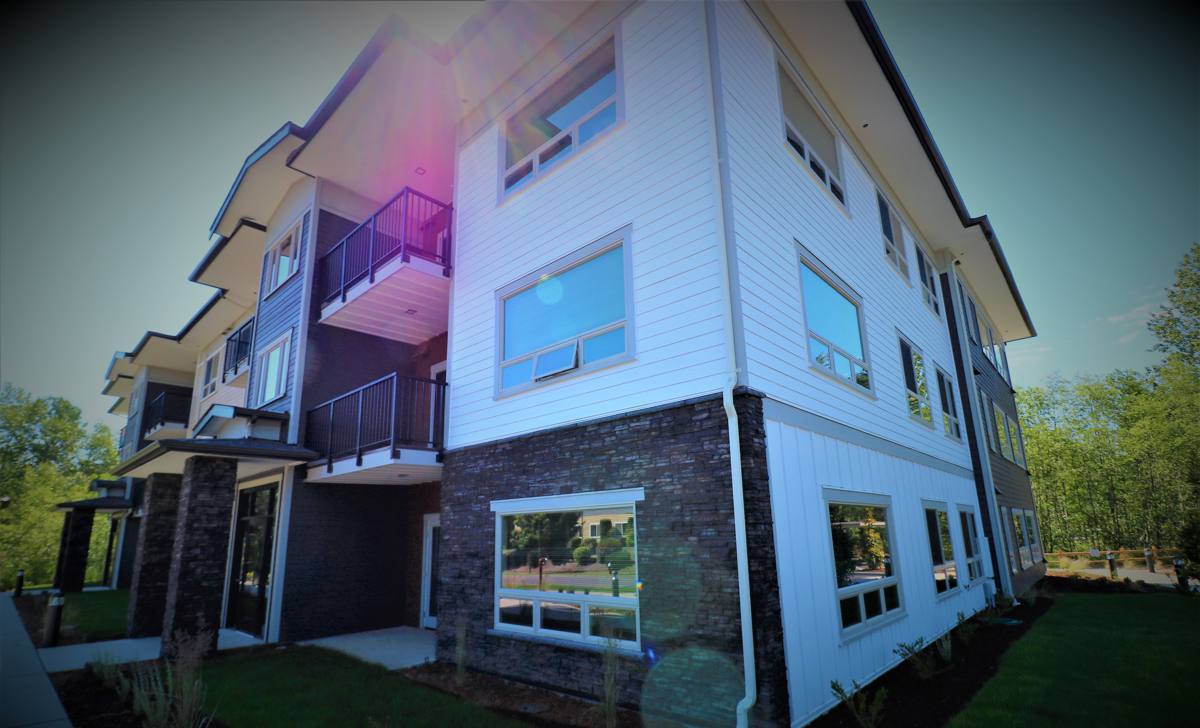
Why Fir Island Wears Out Siding Differently
Salt Air
Proximity to Skagit Bay means airborne salt settles on exterior surfaces year-round, not just during storms. Salt is hygroscopic — it pulls moisture out of the air and holds it against whatever it lands on. On siding, that means finishes break down faster, fasteners and trim hardware corrode sooner, and any exposed or unsealed wood substrate stays damp longer than it would a few miles inland.
Driving Rain
Fir Island gets weather off the water with little to break the wind, so rain doesn't just fall here, it drives sideways into wall assemblies. That puts real pressure on butt joints, corner trim, and anywhere siding meets a window, door, or roofline. A gap or a failed sealant joint that would stay dry in a sheltered inland neighborhood becomes a water entry point here.
Moss and Prolonged Dampness
Combine marine humidity, shade from mature trees on many delta properties, and a long wet season, and you get conditions where moss and algae establish quickly on north-facing walls and anywhere siding stays shaded and damp. Moss isn't just cosmetic — it holds moisture against the siding surface far longer than open air would, which accelerates whatever damage is already underway underneath.
Signs Fir Island Siding Needs Repair
Catching problems early is what keeps a repair a repair, instead of turning it into a full section replacement. Homeowners in this area should watch for:
- Soft or spongy spots when you press on the siding, especially near the bottom courses or under windows
- Visible gaps at butt joints, corners, or trim where caulking has shrunk, cracked, or pulled away
- Persistent moss or algae staining that keeps coming back after cleaning
- Paint or finish that's peeling, bubbling, or chalking unevenly across a wall
- Streaking or discoloration below nail heads or fastener lines
- Warping, cupping, or visible separation between boards or panels
- Interior signs — musty smell, damp drywall, or peeling interior paint on an exterior wall — which usually mean water has already gotten past the siding
Any one of these on its own might be minor. Several showing up together, especially on a wall that faces the prevailing weather, usually means moisture has been getting behind the siding for a while.
What a Correct Repair Actually Involves
A siding repair that just patches the visible symptom tends to fail again within a season or two out here. A repair that holds needs to address what let moisture in to begin with. That generally means:
- Diagnosing the actual entry point — not just the spot where damage is visible, since water often travels before it shows up
- Removing damaged material fully, including any wet or compromised sheathing or trim behind the siding, not just the section that looks bad
- Checking and correcting the water-resistive barrier and flashing at the repair area, since siding is only one layer of a wall's moisture management system
- Replacing with matching material, properly fastened and gapped per manufacturer spec, not just caulked over
- Re-sealing and finishing so the repaired section performs — and looks — like the rest of the wall
Skipping steps 2 and 3 is the most common shortcut in low-cost repairs, and it's exactly why the same spot tends to fail again.
Quick Patch vs. Proper Repair
| Approach | What It Does | Typical Outcome on Fir Island |
|---|---|---|
| Caulk-and-paint patch | Covers visible cracking or gaps cosmetically | Often fails within 1-2 wet seasons as salt air and driving rain reopen the joint |
| Board/panel swap only | Replaces damaged siding piece, leaves substrate unchecked | Rot can continue behind new siding if wet sheathing wasn't addressed |
| Full diagnostic repair | Traces water path, replaces damaged substrate and siding, corrects flashing/sealant | Restores the wall's actual moisture defense, not just its appearance |
Our Repair Process on Fir Island
Because we already work regularly in this part of Skagit County, our process accounts for the delta conditions from the start rather than treating this as a generic repair call.
Inspection
We look at the damaged area and the surrounding wall, including trim, flashing, and any nearby penetrations like hose bibs or light fixtures, since those are common water entry points that get blamed on the siding itself.
Scope and Explanation
We tell you plainly what we found, what's driving the damage, and what it will take to fix it correctly — including if we think a section has deteriorated enough that a patch isn't the right call and a larger replacement makes more sense.
Repair and Match
We repair using materials and techniques suited to marine, high-moisture conditions, and we work to match existing siding profile and finish as closely as possible so the repair doesn't stand out.
Follow-Through
We check that flashing, sealant, and fastening at the repair meet spec before we consider the job done — not just that the new material is in place.
Why We Repair With James Hardie Fiber Cement
When a repair calls for replacement material — whether it's a few boards or a full wall section — we use James Hardie fiber cement, and it's the only siding product we install. That's a deliberate standard, not a default. Fiber cement doesn't absorb and hold water the way wood-based siding products can, and it doesn't support moss growth or rot the way exposed or under-primed wood substrates do. Hardie's ColorPlus factory finish is also engineered to hold up under UV and moisture exposure better than field-applied paint, which matters a great deal in a salt-air, high-humidity environment like this one.
We won't install vinyl, LP SmartSide, primed spruce, cedar, or other fiber cement alternatives like Cemplank or Allura on a Fir Island home, because we've made a professional judgment that Hardie's combination of moisture performance, non-combustible composition, and finish durability is what holds up best to this specific climate over the long run. That standard applies to repairs the same way it applies to full installs — when we're replacing siding, we're not going to patch it with a product we don't stand behind.
Why Local Experience Matters for This Job
Siding repair isn't a one-size-fits-all trade. A crew that mostly works drier, more sheltered inland neighborhoods can miss what's actually happening on a delta property exposed to open water and prevailing wind. Working Fir Island regularly means we already understand:
- Which wall orientations on delta lots take the worst of the wind-driven rain
- How fast moss and algae re-establish here compared to more sheltered parts of Skagit County
- Where salt exposure tends to accelerate fastener and trim corrosion
- How to sequence repair work around the area's long wet season so materials cure properly
That local pattern recognition is what separates a repair that lasts from one that's back on the schedule next year.
What Drives Repair Cost
Every property is different, but the main cost drivers on a Fir Island siding repair are fairly consistent:
| Factor | Why It Matters |
|---|---|
| Extent of hidden damage | Wet or rotted sheathing behind the siding adds material and labor beyond the visible patch area |
| Wall accessibility | Height, landscaping, or nearby structures can affect scaffolding and staging needs |
| Material match | Matching an existing profile, color, or discontinued product can take more sourcing time than a straightforward panel swap |
| Flashing and trim condition | Repairing or replacing compromised flashing adds a step but is essential to a lasting fix |
| Number and location of affected areas | Isolated damage costs less to address than damage spread across multiple walls or elevations |
We won't quote a number without seeing the property, since guessing at hidden damage does homeowners no favors. What we will do is give you a clear, honest scope before any work starts.
When Repair Isn't Enough
Part of an honest repair evaluation is telling you when patching no longer makes sense. If damage has spread across a significant portion of a wall, if the underlying substrate is compromised in multiple areas, or if the existing siding material is simply at the end of its service life, we'll say so and talk through replacement instead of stringing together repairs that won't hold. That's a judgment call we make based on what we actually find, not a default upsell.
If you're seeing soft spots, recurring moss, gaps, or water staining on a Fir Island home, it's worth having it looked at before another wet season sets in. We offer free, no-pressure estimates — fill out the form below and we'll take a look.