 Burlington
 Why La Conner's Climate Is Tougher on Windows Than It Looks
La Conner sits on the water, along the Swinomish Channel, which means homes here take on a different kind of weather stress than houses a few miles inland in Burlington or Mount Vernon. The air carries salt and moisture year-round, prevailing weather off the Sound drives rain sideways into window walls, and the wet, shaded stretches of fall through spring keep siding and trim damp long enough for moss and mildew to get a foothold. None of that is dramatic on its own, but window openings are one of the first places it shows up as a real problem.
A window is really a hole cut into a weather barrier. Everything about whether that hole stays dry for the next 20 years comes down to how the flashing, sealants, and frame materials handle wind-driven rain and constant humidity. In a climate like Skagit County's marine zone, and especially this close to open water, shortcuts that might survive in a drier region show up as stains, soft trim, or fogged glass within a few winters here.
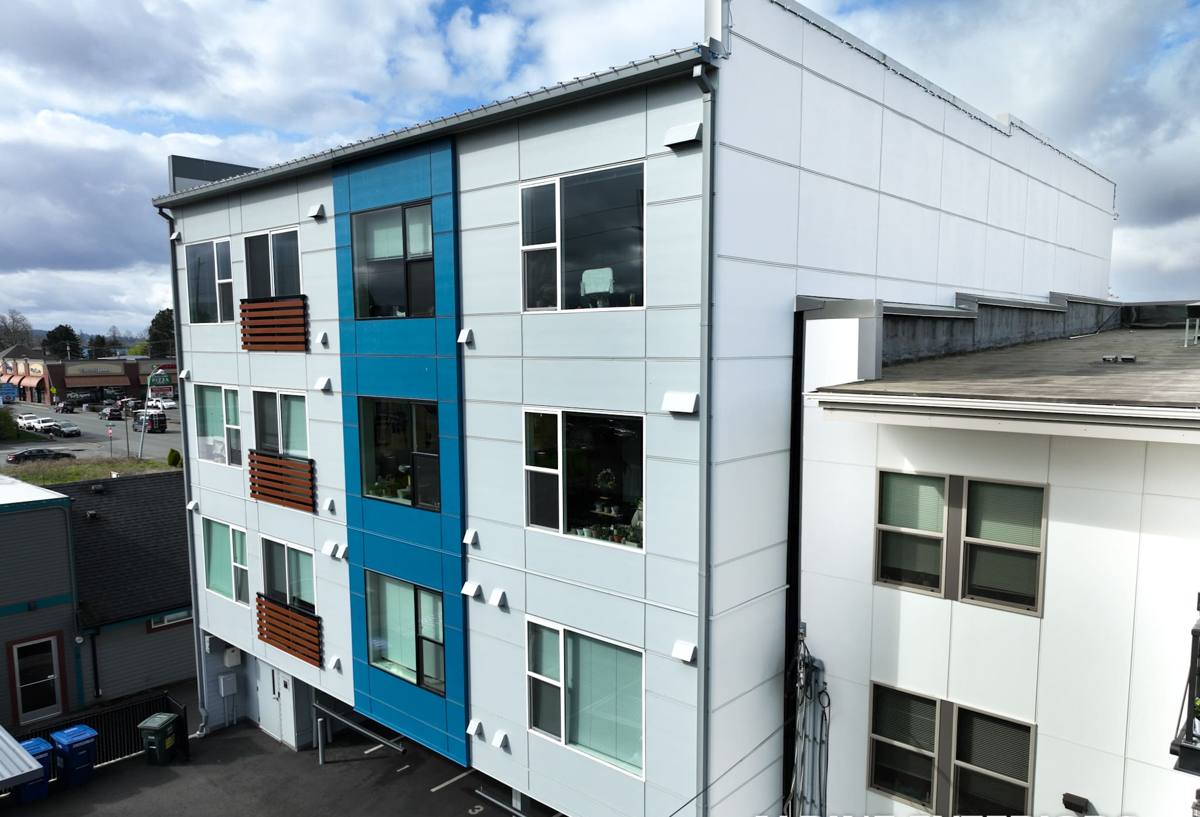
Signs a La Conner Home Needs Window Work
Homeowners usually notice one of these before they think about calling anyone:
- Condensation forming between the panes of a double-pane window — a sign the seal has failed and the insulating gas has escaped
- Soft or discolored wood trim around the window frame, often at the bottom corners where water pools
- A window that's hard to open, close, or latch, which usually means the frame has swelled or shifted
- Visible daylight or a draft at the frame edge when the window is shut
- Moss or dark streaking on the siding directly below a window, which points to water running down the wall instead of shedding off the sill
- A noticeable rise in heating costs without any other change to the home
Any one of these can be a minor fix. Several together, especially on a window facing the prevailing weather, usually means the window and its flashing need to be replaced together rather than patched.
What a Correct Window Installation Actually Involves
Taking the old window out without damaging the wall
The first risk in any window replacement is what happens to the wall once the old unit is out. Removing trim and siding carelessly can tear building paper or crack surrounding material, turning a window job into a siding repair. We remove old units in a way that protects the surrounding wall assembly, so we're not creating new entry points for water while fixing the old one.
Flashing and moisture management
This is the step that decides whether a window installation holds up in La Conner's climate. Proper flashing directs any water that gets past the window itself back out of the wall instead of behind it. That means a sill pan under the window opening, flashing tape integrated with the building's weather-resistant barrier in the correct shingle-lap order, and head flashing above the window to break the path of water running down the siding. Skipping or rushing this step is the single most common reason a "new" window still leaks two winters later.
Air sealing and insulation
Around the window frame, the gap between the unit and the rough opening needs to be sealed and insulated correctly — not overfilled with expanding foam, which can bow the frame and cause operating problems, and not left with gaps, which lets in drafts and moisture-laden air. Low-expansion foam or backer rod and sealant, used correctly, keeps the window performing the way it's rated to.
Setting the window level, plumb, and square
A window that's out of square will bind, won't seal against weatherstripping properly, and puts uneven stress on the glass unit over time. Shimming and fastening correctly at the manufacturer's specified points keeps the frame true and the warranty intact.
Choosing Window Materials for a Salt-Air Environment
Not every window product handles this climate equally well. The table below reflects our honest read on trade-offs for a home in La Conner's marine environment — not a ranking of "best" brands, but how each frame material tends to behave here over time.
| Frame Material | How It Handles Salt Air & Moisture | Maintenance | Notes |
|---|---|---|---|
| Vinyl | Doesn't corrode or rot; handles humidity well | Low — occasional washing | Good value; quality varies a lot by manufacturer |
| Fiberglass | Very stable in temperature swings and moisture; strong dimensional stability | Low | Higher upfront cost, holds up well long-term near water |
| Wood (clad exterior) | Interior wood needs protection from any moisture intrusion; exterior cladding shields it | Moderate to high if uncladded | Best suited when the exterior face is fully clad in vinyl or aluminum, not bare wood |
| Aluminum | Conducts cold and can corrode faster in salt air without a marine-grade finish | Moderate | We're selective about where we recommend this material this close to the water |
Our standard is to steer homeowners toward frame materials and finishes with a track record in coastal and marine settings, and to be upfront when a product looks good in a showroom but is a poor match for a home exposed to salt air and driving rain. That's a maintenance and moisture-behavior call, not a knock on any manufacturer.
Glass Options Worth Understanding
Most new windows now come standard with double-pane, low-E glass, but a few choices are worth knowing before you buy:
- Low-E coatings reduce heat loss in winter and heat gain in summer — worth having even in a mild coastal climate because it also cuts down on UV fading of interior floors and furniture.
- Argon or krypton gas fill between panes improves insulation value; argon is the common, cost-effective choice for most homes.
- Triple-pane glass adds insulation and sound dampening but adds weight and cost — usually only worth it on a north- or water-facing wall that takes the brunt of wind and weather.
- Tempered glass is required by code in certain locations (near doors, low to the floor, in bathrooms) regardless of style.
Our Window Installation Process
- On-site assessment of existing windows, framing condition, and any signs of water damage or moss/mildew staining
- Measurement and material recommendation based on the window's exposure — a wall facing open water or prevailing wind gets different attention than a sheltered wall
- Removal of the old unit with care to protect surrounding siding and trim
- Inspection of the rough opening and sheathing for hidden rot before anything new goes in
- Installation of sill pan flashing, window unit, and integrated head/side flashing tied into the existing weather barrier
- Air sealing, insulation, and interior/exterior trim finish work
- Final operation check — every window is opened, closed, and locked to confirm smooth function before we consider the job done
Permits, Codes, and Energy Requirements
Window replacement projects in Skagit County are generally subject to local building permit requirements and current Washington State Energy Code standards for insulating performance, particularly when a project involves multiple windows or changes to the original opening size. Egress requirements — minimum opening size for bedroom windows — also apply when a window is being resized or a bedroom window is replaced. We handle the permitting conversation as part of the job so homeowners aren't left figuring out code requirements on their own.
What Window Installation Costs in La Conner
Costs vary based on window size, material, glass package, and how much flashing and trim repair is needed once the old window comes out. In general terms, factors that move the price include:
| Factor | Effect on Cost |
|---|---|
| Frame material (vinyl vs. fiberglass vs. clad wood) | Fiberglass and clad wood run higher than standard vinyl |
| Window size and style (single-hung vs. casement vs. large picture units) | Larger and operable multi-point units cost more than fixed or basic double-hung |
| Glass package (double vs. triple pane, coatings) | Upgraded glass adds cost but improves comfort and efficiency |
| Condition of the rough opening | Hidden rot or damaged sheathing adds repair time before the new window can go in |
| Number of windows done at once | Doing several windows in one visit is more cost-effective than one at a time |
We'll always give a straightforward, itemized estimate before any work starts — no inflated "final price" surprises after the fact.
Maintaining New Windows Through Skagit County's Wet Season
- Rinse salt residue and grime off exterior frames periodically, especially on walls facing open water
- Clear moss or organic buildup from sills and tracks before it holds moisture against the frame
- Check exterior caulking annually for cracking or gaps, particularly after the first hard freeze of the season
- Keep weep holes in the sill track clear so water can drain out instead of pooling
- Operate each window a few times through the year, even ones that are rarely opened, to keep hardware and weatherstripping from sticking or seizing
Why Local Experience in La Conner Matters
Window installation done to a general standard and window installation done for a specific home's exposure aren't the same job. A crew that regularly works in La Conner and the surrounding Skagit County waterfront knows which walls take the worst of the wind-driven rain, how quickly moss establishes on shaded north- and west-facing exteriors here, and which flashing details actually hold up through a full wet season rather than just looking right on installation day. That's the kind of judgment that comes from doing this work repeatedly in this specific climate, not from a general installation checklist.
If your La Conner home has windows showing any of the wear signs above, or you're planning ahead before the next wet season sets in, we're happy to take a look and give you a straightforward, no-pressure estimate — just fill out the form below.