 Burlington
 New-Construction Windows for Lyman Homes
Building new in the Lyman area east of Burlington means dealing with the Skagit Valley's particular mix of weather: heavy fall and winter rain blowing in off the Sound, damp air that holds moisture against the house for months at a time, and a moss season that seems to stretch longer every year. Windows installed during new construction set the tone for how a house performs for the next 20-30 years. Get the flashing, sealing, and product selection right at this stage and you avoid the rot, air leaks, and callback repairs that show up five or ten years down the road.
This page covers what we look at specifically for new-construction window installs in Lyman and the surrounding Burlington/Skagit County area — not a generic "we install windows" pitch, but the actual decisions that matter for homes built in this climate.
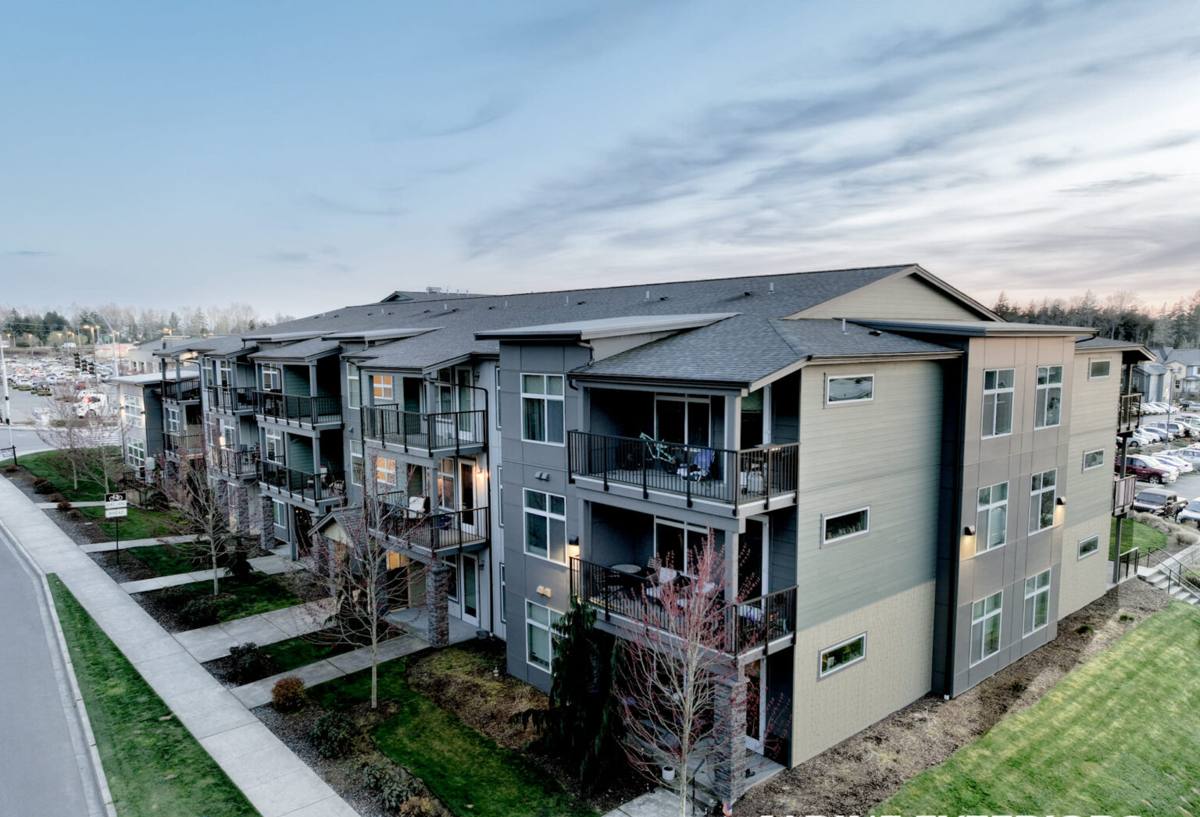
What Lyman's Climate Does to a New Window System
Lyman sits inland from Burlington along the Skagit River corridor, which means homes here get a combination of coastal-influenced rain patterns and valley humidity. A few things we plan around on every new build:
- Driving rain: Wind-driven rain doesn't just hit a window head-on — it can push water sideways and upward under poorly lapped flashing. New construction is the one time we can build the water management layer correctly from the studs out.
- Prolonged dampness: Skagit County doesn't just get rain, it holds moisture in the air for extended stretches. That means window frame materials and sealants need to tolerate sustained exposure, not just occasional storms.
- Moss and organic growth: On north-facing walls and under eaves with limited sun exposure, moss and algae can take hold on sills and frame surfaces that stay damp. This is more of a maintenance and material-choice issue than a structural one, but it affects what finishes and drainage details we spec.
- Salt-influenced air: Even set back from the water, this part of Skagit County gets enough marine air movement that hardware and fasteners benefit from corrosion-resistant specs, especially on the west and south exposures.
Why New Construction Is Different From a Retrofit
Replacing a window in an existing wall means working around what's already there. New construction gives us access to the rough opening, the sheathing, and the water-resistive barrier before any of it is covered up. That's an advantage, but only if it's used correctly. A rushed new-construction window install with sloppy flashing sequencing can actually fail faster than a well-done retrofit, because there's no old, dried-out wood to slow down the first leak — everything is fresh lumber that will absorb and hold moisture if water gets behind the cladding.
What "doing it right" actually means
On a new build, the window opening isn't just a hole with a window screwed into it. The sequence matters:
- Rough opening is checked for square, level, and correct sizing before the window ever shows up on site.
- Weather-resistive barrier (house wrap) is lapped correctly around the opening before flashing goes on — not after.
- Sill pan flashing is installed to catch and direct any water that gets past the window back out, not into the wall cavity.
- Window is set, shimmed plumb and square, and fastened per the manufacturer's instructions — over-driving or under-driving fasteners both cause problems.
- Side and head flashing is installed in proper shingle-lap order (bottom to top) so water always sheds outward and down.
- Interior and exterior sealant beads are placed only where the manufacturer specifies — sealing every gap sounds thorough but can actually trap moisture that needs to drain or vent.
Choosing Window Materials and Products for This Area
We don't push one brand as the answer for every house. What we do is match frame material and glazing package to how exposed the wall is, and we're upfront about the trade-offs.
| Frame Material | How It Handles Local Conditions | Trade-Offs to Know |
|---|---|---|
| Vinyl | Good moisture resistance, low maintenance, solid value | Can flex on larger openings; color/finish options are more limited than other materials |
| Fiberglass | Very stable in temperature and moisture swings, holds paint well | Higher upfront cost than vinyl |
| Wood-clad | Traditional interior look, warm appearance | Exterior cladding must be detailed carefully — any breach in the cladding exposes wood to our damp climate; higher maintenance commitment |
| Aluminum | Strong and slim sightlines | Poor thermal performance unless thermally broken; more prone to condensation in our humid winters |
For most new builds in the Lyman/Burlington area, we lean toward vinyl or fiberglass for exterior-exposed walls specifically because they don't rely on an intact paint or clad layer to stay moisture-resistant. Wood-clad windows aren't wrong, but they demand a level of ongoing inspection and upkeep that not every homeowner wants to sign up for given how much of the year is wet here.
Glazing Considerations
Double-pane, low-E glass is the baseline we recommend for new construction in this climate — it manages both the heat loss in winter and the condensation risk that comes with our humidity. On walls facing prevailing weather, we also look at higher-performance seals and gas fills where the budget allows, since those windows take the brunt of the driving rain and wind.
How We Approach a New-Construction Window Job in Lyman
Because we already work in this part of Skagit County, we're not guessing at what the weather does to a house here — we've seen how these details hold up over time on other local builds. Our process on a new-construction project generally looks like this:
- Review the window schedule and rough opening sizes against the plans before framing is finalized, so there are no surprise sizing conflicts.
- Coordinate timing with the framer and siding crew — window flashing has to integrate with the house wrap and siding installation sequence, not happen in isolation.
- Install sill pans and flashing in the correct shingle-lap order on every opening, regardless of exposure — consistency avoids the "we skipped it on the easy side" problem.
- Check every window for plumb, level, and square before final fastening, and confirm operation (opening, closing, locking) before moving on.
- Document flashing details before siding covers them up, so there's a record of what's behind the wall if questions come up later.
Working Around Skagit County Weather Windows
Wet-season scheduling matters more here than in drier climates. We plan window installation around weather windows so openings aren't left exposed to driving rain for extended periods between rough-in and final flashing. On a new build, that sometimes means adjusting the sequence with the general contractor rather than installing on a fixed date regardless of forecast.
Common Problems We See on Rushed New-Construction Window Jobs
Most window failures we get called out to inspect in this area trace back to a handful of avoidable mistakes made during the original install:
- Reverse-lap flashing: Head flashing installed under the side flashing instead of over it, which funnels water directly into the wall instead of shedding it.
- Missing or improper sill pans: Without a sill pan, any water that gets past the window sits directly on the framing.
- Over-sealed openings: Caulking the entire perimeter, including areas meant to weep or drain, which traps moisture instead of releasing it.
- Out-of-square installation: Windows that aren't shimmed correctly bind, leak at the corners, or fail their seals early.
- Mismatched fasteners: Using standard fasteners in a marine-influenced air environment where corrosion-resistant hardware would hold up longer.
Maintenance Expectations After Install
Even a correctly installed window benefits from periodic attention in this climate. We tell homeowners to plan on:
- Checking exterior sealant lines annually for cracking or separation, especially after the first winter as the house settles.
- Clearing moss or organic buildup from sills and tracks before it holds moisture against the frame.
- Testing operation and locks each season — sticking or difficulty closing can be an early sign of frame movement worth checking.
- Keeping gutters and downspouts clear so roof runoff isn't dumping extra water onto upper-floor window heads.
Cost Factors for New-Construction Window Packages
Pricing on a new-construction window package depends on more than just the number of openings. Factors that move the estimate include:
| Factor | Why It Matters |
|---|---|
| Frame material | Vinyl, fiberglass, wood-clad, and aluminum carry different material costs |
| Window size and count | Larger openings and higher window counts increase both material and labor |
| Glazing package | Standard low-E vs. higher-performance glass changes unit cost |
| Exposure and flashing complexity | Walls facing prevailing weather may warrant upgraded flashing details |
| Coordination with other trades | Tight scheduling with framing and siding can affect labor efficiency |
We'll always walk through these factors with you before giving a number, rather than quoting a flat per-window price that doesn't reflect your actual plans.
Why Local Experience Matters for This Job
New-construction window installation isn't complicated in theory, but getting it right consistently, on every opening, on a house exposed to Skagit County's rain and humidity for decades, is where experience shows up. A crew that already works in and around Burlington and Lyman knows how the local weather patterns behave through the build season, has already worked with the area's framers and siding crews, and isn't learning the coordination on your project. That local familiarity translates into fewer surprises and fewer callbacks once the house is finished and lived in.
If you're building new in Lyman or elsewhere around Burlington, we're glad to walk your plans, talk through window and material options for your specific exposure, and give you a straightforward, no-pressure estimate. Fill out the form below to get started.