 Burlington
 New-Construction Windows for Mount Vernon Builds
When you're framing a new home or addition in Mount Vernon, the windows are one of the few components that have to perform two separate jobs at once: they're a structural opening in the building envelope, and they're the first line of defense against Skagit County weather for the next 30-plus years. New-construction windows go in before siding, before finish trim, and often before the house is fully dried in — which means the install has to be done right the first time, because there's no siding to pull off later if the flashing was wrong.
We install new-construction windows on builds in and around Mount Vernon and Burlington regularly, and we size the job around what actually happens to a window opening here: long stretches of driving rain off the valley, salt-laden air moving up from the Samish Bay and Puget Sound corridor, and a moss season that keeps everything on the exterior damp for months at a time. None of that is exotic weather, but it's persistent, and persistent moisture exposure is exactly what exposes a shortcut in window flashing.
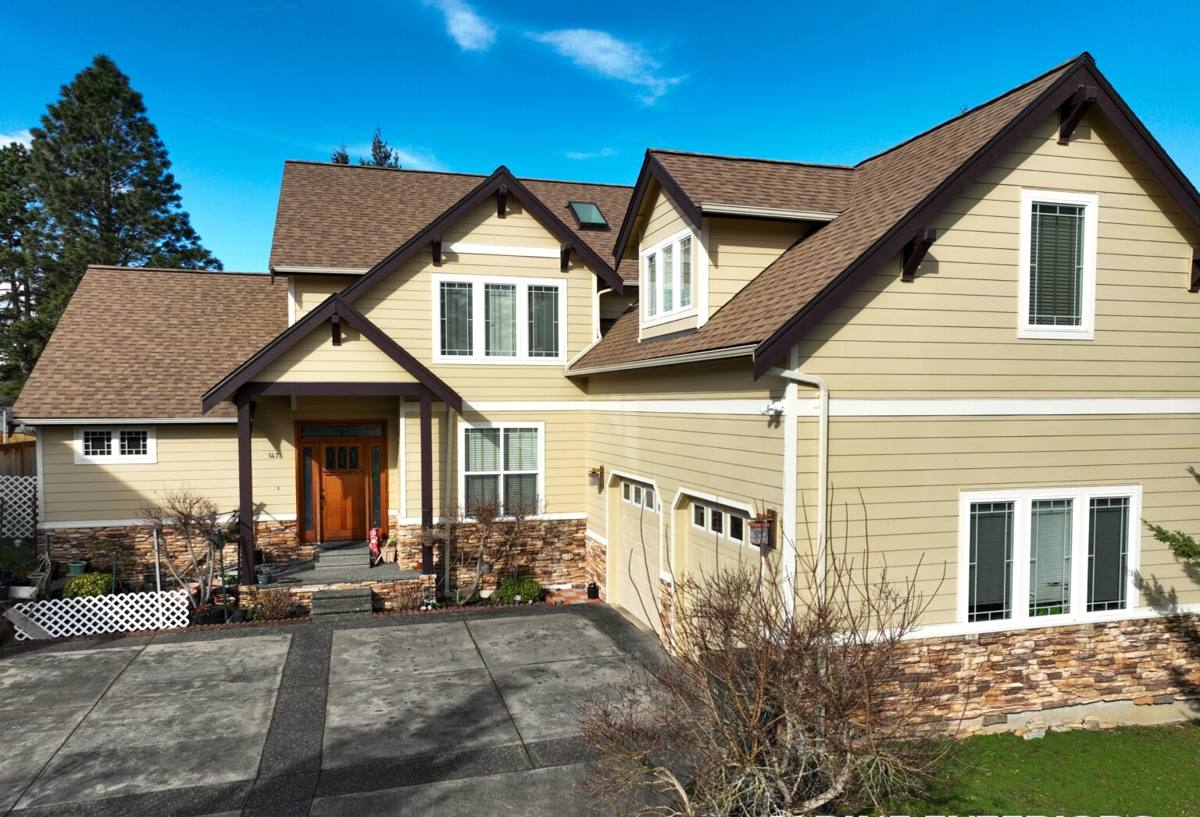
New-Construction vs. Replacement — Why It's a Different Job
A lot of homeowners assume "installing a window" is the same task whether it's a remodel or a new build. It isn't. New-construction windows have a nailing flange (fin) around the perimeter that gets integrated directly into the wall's water-resistive barrier before siding goes on. There's no existing trim, cladding, or interior finish to work around — which is an advantage, because it means the flashing sequence can be built in layers, correctly, from the sheathing out.
Why That Sequence Matters
Every layer — sill pan, jamb flashing, the nailing flange, head flashing, and the housewrap laps above and below — has to overlap in the right order so water sheds downward and outward, never backward into the wall cavity. Get the order wrong, or skip the sill pan, and the mistake gets sealed behind siding where nobody will see it until there's rot, stained drywall, or a warped sill years down the road.
What Skagit County Weather Actually Demands
Driving Rain
Mount Vernon sits in a valley that catches wind-driven rain off the Sound, and wind-driven rain doesn't just fall on a window — it gets pushed sideways and upward under laps that aren't sealed correctly. A new-construction install needs a proper sloped sill pan and correctly shingled flashing so wind-driven water has nowhere to go but back out.
Salt Air
Proximity to Puget Sound and Samish Bay means fasteners, flashing tape, and window hardware are exposed to salt-laden air, which accelerates corrosion on the wrong materials. That's why fastener and flashing choice matters as much as the window unit itself — a great window with the wrong screws or a cheap flashing tape will still fail early here.
Moss Season
Skagit County's long wet season keeps roofs, siding, and window sills damp for extended stretches, and that's when moss and algae take hold on anything that stays shaded and moist. On new construction, that means sill design and drainage details matter — a sill that traps standing water is inviting long-term staining and material breakdown, even on a brand-new install.
Our New-Construction Install Process
- Verify rough openings are square, level, and sized correctly before the window ever arrives on site
- Install a sloped sill pan flashing so any water that gets past the window sheds outward, not into the wall
- Set the window plumb and level, shimmed correctly so the frame isn't stressed or bowed
- Integrate the nailing flange into the housewrap in proper shingle-lap order — sides first, then head flashing over the top
- Seal per manufacturer specification, using sealant and flashing tape rated for our climate and UV exposure, not generic caulk
- Check operation (open, close, lock) after the unit is fully fastened, not just before
- Photo-document flashing before siding covers it, so there's a record of what's behind the wall
That last step matters more than people expect. Once siding goes on, the flashing behind it is invisible for the life of the house. We document it so the builder, the homeowner, and if needed an inspector can confirm the work was done correctly — not just trust that it was.
Coordinating With the Build Schedule
New-construction window installs happen at a specific point in the build — after sheathing and housewrap, before siding. That means our crew has to coordinate timing with the general contractor or framing crew so the opening is ready and the sequence isn't rushed. Showing up too early means working around incomplete wrap; showing up too late holds up the siding crew behind us. On active job sites in Mount Vernon we work directly with the GC's schedule rather than treating it as a standalone appointment.
Choosing Materials for This Climate
Window frame material affects how well a unit tolerates prolonged dampness and salt exposure over decades, not just how it looks on day one. Here's how the common options compare for a Skagit County build:
| Frame Material | Moisture Tolerance | Maintenance | Typical Fit |
|---|---|---|---|
| Vinyl | Good — won't rot or corrode | Low | Cost-conscious builds, rentals, spec homes |
| Fiberglass | Excellent — dimensionally stable in wet/dry cycling | Low | Long-term owner-occupied homes |
| Wood-clad | Good on the exterior, but the interior wood core needs the cladding seal to stay intact | Moderate | Homes prioritizing interior wood aesthetics |
| Aluminum | Poor without thermal break — conducts cold and can condense | Low | We generally steer builds away from bare aluminum here |
We don't push one brand over another — the right call depends on the builder's spec and the homeowner's budget. What we won't do is compromise on flashing and sealant quality to save money on a cheaper frame, because that's the part that actually determines whether the wall stays dry.
Mistakes We See on New Builds
Most window failures on new construction aren't the window's fault — they trace back to the install. The ones we run into most often around Mount Vernon:
- Sill pan skipped or installed flat instead of sloped, letting water pool instead of drain
- Housewrap laps done in the wrong order, directing water into the opening instead of around it
- Nailing flange face-nailed instead of properly integrated with flashing tape
- Rough opening left oversized "for adjustment," leaving gaps that get stuffed with insulation instead of properly shimmed and sealed
- Sealant applied over dirty or wet substrate, which fails to bond and opens up within a season or two
Every one of these is invisible once siding is on. That's exactly why the install sequence — not just the window brand — is what determines whether a new build stays dry through its first few wet seasons.
Timeline and Cost Factors
New-construction window costs vary by unit count, size, and material, but the install itself is priced around labor, opening complexity, and site coordination rather than a flat per-window rate. Rough factors that move the number up or down:
| Factor | Effect on Cost/Timeline |
|---|---|
| Number and size of openings | More/larger units mean more flashing labor and material |
| Window material (vinyl vs. fiberglass vs. wood-clad) | Unit cost varies; install labor is similar across materials |
| Build schedule coordination | Tight GC schedules can compress our window; delays elsewhere can push install date |
| Special shapes or large picture units | Custom flashing detailing adds labor time |
| Access and staging on site | Multi-story or tight-lot sites slow material handling |
We give straightforward, honest numbers based on the actual opening count and site conditions — not a generic per-window estimate that changes once we're on site.
Why a Local Mount Vernon Crew Matters
A crew that already works Skagit County job sites knows what a properly shingled flashing detail needs to look like to hold up against valley wind-driven rain, and knows not to cut corners on sealant just because a job site is behind schedule. We're not learning the local climate on your build — we've already seen what happens when flashing is done wrong here, and we build every install to avoid it. That also means we're familiar with working alongside general contractors and framing crews on active Mount Vernon and Burlington sites, coordinating timing so the window install doesn't become the bottleneck in your build schedule.
If you're framing a new home or addition in Mount Vernon and want the window install done right the first time, we're happy to walk the site, look at your window schedule, and give you a straightforward, no-pressure estimate — just fill out the form below.