 Burlington
 Siding on Samish Island Isn't the Same Job as Siding in Burlington
Drive fifteen minutes from downtown Burlington out to Samish Island and the job changes. Homes out here sit close to open water on more than one side, catch wind with nothing to break it, and stay damp longer than houses tucked into town. Siding that holds up fine on a sheltered lot in Burlington can start failing years early once it's facing Samish Bay full-time. We treat Samish Island siding installation as its own thing — not a smaller version of a Burlington job, but a job with a different set of problems to solve from the start.
That distinction matters because a lot of siding failure isn't really a materials problem. It's a mismatch between the product and the exposure it's asked to survive. Skagit County covers a lot of ground, from dry inland farmland to windswept shoreline, and a crew that only ever works the easy lots doesn't always know what to look for on a house like this.
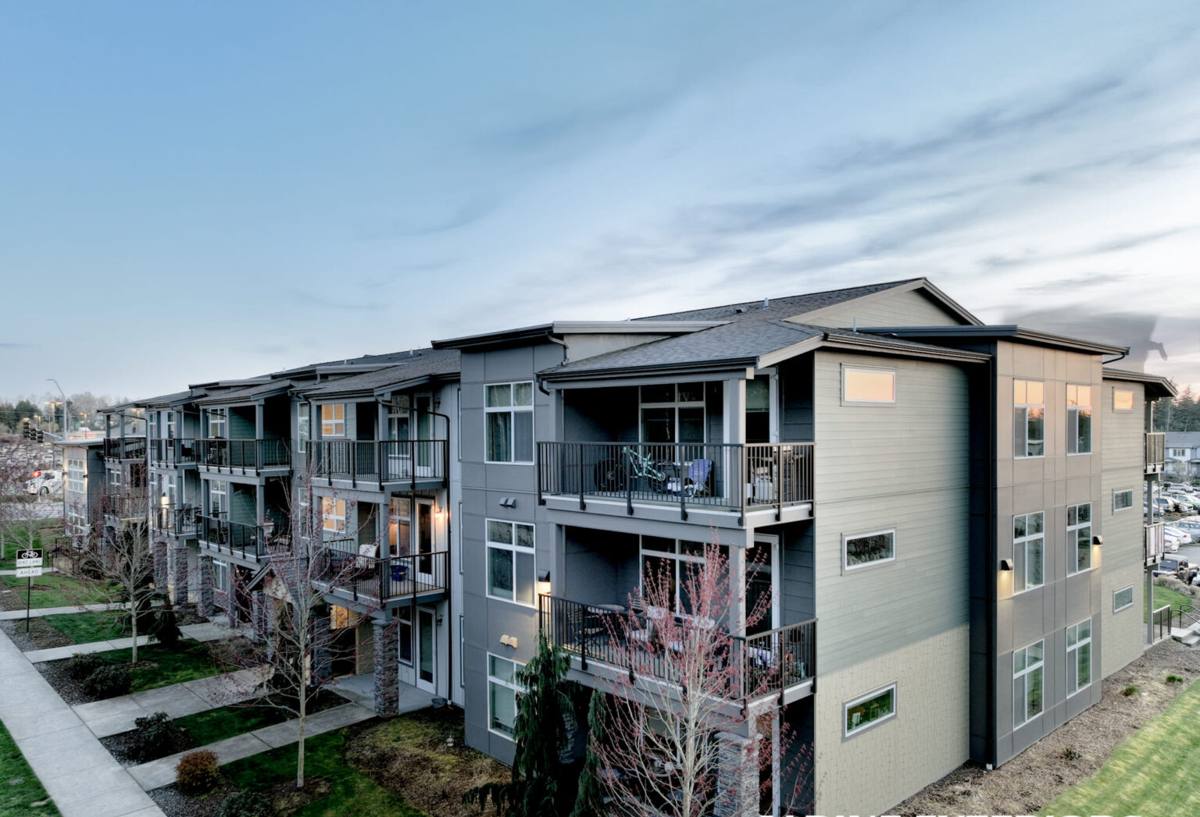
What the Climate Out Here Does to Siding Over Time
Three things drive most of the siding problems we see on Samish Island homes, and they compound each other rather than acting alone.
Salt Air
Air moving off Samish Bay carries fine salt spray with it, especially during winter storms and stretches of steady wind. Salt is corrosive to exposed metal — fasteners, flashing, trim edges — and it also draws moisture out of the air and holds it against surfaces longer than dry inland air would. Over years, that steady low-grade exposure eats at anything not built or finished to handle it.
Wind-Driven Rain
Rain that falls straight down is one problem. Rain that's being pushed sideways into a wall by open-water wind is a different one. Wind-driven rain finds every gap in a siding system — a loose lap joint, a poorly caulked trim seam, a fastener that backed out — and pushes water behind the cladding instead of letting it run off the face. That's when sheathing and framing start absorbing moisture they were never meant to hold.
A Long Moss and Mildew Season
Skagit County already runs wetter and greyer than a lot of the state for much of the year. Add the extra humidity that comes off open water and Samish Island stays damp longer into the season than town lots do. Moss, algae, and mildew get a longer window to establish themselves on siding surfaces, especially on north-facing walls and anywhere shaded by trees. Siding that can't be washed without damaging its finish tends to look tired fast in conditions like this.
Why We Only Install James Hardie Fiber Cement on Samish Island Homes
We don't install vinyl, LP SmartSide, primed spruce, cedar, or other fiber cement brands, on Samish Island or anywhere else we work. That's a deliberate standard, not a default. In an exposure like this one, the trade-offs of other products show up faster and cost more to ignore.
Vinyl siding moves with temperature swings and can warp or crack under sustained wind load, and its seams and J-channels give wind-driven rain a lot of entry points over time. Wood and engineered-wood products like cedar or LP SmartSide depend on an intact paint or coating layer to keep moisture out; once that layer is compromised by salt-laden, humid air, the underlying wood substrate is exposed to exactly the kind of sustained dampness that leads to rot. Both categories can perform reasonably well in a dry, sheltered location. Neither is the product we'd choose to put on a house that faces open water year-round.
James Hardie fiber cement is cement, sand, and cellulose fiber — it doesn't rot, it's non-combustible, and it doesn't rely on an intact paint film to keep its structure intact the way wood-based products do. Hardie's ColorPlus factory finish is baked on under controlled conditions rather than field-applied, which means better adhesion and more consistent coverage than a coat of paint applied on-site in variable weather. And Hardie engineers specific product lines, including HZ5 formulations, for wetter, harsher climates rather than selling one version everywhere. That combination is why it's the only product we put on homes in this kind of exposure.
| Material | How It Handles Salt Air & Wind-Driven Moisture | Maintenance Burden | Our Standard |
|---|---|---|---|
| Vinyl Siding | Seams and channels give wind-driven rain entry points; can warp under sustained wind load and temperature swings | Low, but limited repair options once damaged | Not installed |
| Cedar / Wood Siding | Performs only as well as its finish; once coating is compromised, sustained humidity drives rot | High — regular refinishing required | Not installed |
| LP SmartSide / Engineered Wood | Same coating-dependent vulnerability as wood, with an engineered wood substrate underneath | Moderate to high | Not installed |
| James Hardie Fiber Cement | Non-combustible, doesn't rot; factory-baked finish holds up under salt exposure and humidity | Low — periodic washing, no refinishing cycle | What we install |
What a Correct Installation Involves in This Kind of Exposure
The siding product is only part of the equation. Most of the failures we get called out to inspect on waterfront and near-waterfront Skagit County homes trace back to installation shortcuts, not the material itself.
Drainage Plane and Rainscreen Detailing
A weather-resistive barrier goes behind the siding no matter what, but in a wind-driven rain environment the gap between that barrier and the back of the siding — the rainscreen space — matters more than usual. It gives any water that does get past the cladding a path to drain and dry out instead of sitting against the sheathing. Skipping or shortcutting this detail is one of the more common ways we see otherwise-decent siding jobs fail early near open water.
Flashing and Fasteners
Every window, door, and horizontal trim transition is a place water wants to get in. Flashing has to be sequenced correctly — installed so that each layer sheds water onto the layer below it, never the reverse — and fasteners need to be the corrosion-resistant type and spacing Hardie specifies, driven correctly rather than overdriven or underdriven. In salt air, the wrong fastener choice shows up as staining and eventual failure years before the siding itself would have given out.
Trim, Caulking, and Clearances
Caulk is a backup, not a primary defense — it's meant to supplement good flashing and lap detail, not replace it. We also keep proper clearance between the bottom of the siding and grade, decks, roofs, and other hard surfaces, since tight clearances trap moisture against the material and undercut everything else done correctly above it.
Our Process for a Samish Island Siding Job
We start with an inspection of the existing wall, not just the siding surface. Once old siding comes off, we check the sheathing and framing underneath for water damage or soft spots before anything new goes up — on a house that's been absorbing wind-driven rain for years, this step tells us more than a visual estimate ever could. Any compromised sheathing gets repaired before the weather barrier goes on.
From there we install the weather-resistive barrier and rainscreen system, then the James Hardie siding itself, following manufacturer fastening and clearance specs rather than shortcutting them to save time. Trim, flashing, and caulking go in last, and we walk the finished job before we consider it done — checking lap lines, seams, and clearances the way we'd want them checked on our own house.
What Siding Replacement Costs Depend On Out Here
We don't publish flat prices because every house is different, but on Samish Island the same handful of factors tend to move the number most.
| Factor | Why It Matters on Samish Island |
|---|---|
| Wind/water-facing exposure | Walls facing open water often need more careful flashing and trim detail than sheltered sides |
| Condition of existing sheathing | Years of wind-driven rain exposure can mean hidden repair work discovered at tear-off |
| Trim and architectural detail | Corner boards, window casing, and fascia detail add labor beyond flat wall panel installation |
| Access and site logistics | Narrower access roads and staging space on some island lots affect material delivery and setup time |
| Hardie product line and profile | Lap width, texture, and ColorPlus color selection affect material cost per square foot |
Signs Your Samish Island Home's Siding Needs Attention
- Persistent moss or algae staining that comes back quickly after cleaning, especially on north-facing walls
- Soft or spongy spots when you press on the siding, particularly near the bottom courses or under windows
- Paint or finish that's chalking, peeling, or bubbling faster than it should for its age
- Visible gaps, warping, or buckling in lap joints and seams
- Rust streaking below fasteners or trim, a sign that hardware is corroding from salt exposure
- Musty smells or visible mold near interior walls that back onto exterior siding
- Caulking that's cracked, shrunk, or missing at trim and window transitions
Why Hire a Crew That Already Works Samish Island
Anyone can install James Hardie siding on paper. Installing it correctly on a house that faces open water, day in and day out, takes knowing where that exposure actually causes problems before they show up — which walls take the worst of the wind, where flashing details need extra attention, and how much rainscreen matters when you're not dealing with a sheltered inland lot. A crew that's already worked Samish Island homes has seen what wind-driven rain and salt air do to a wall over time, not just in a manufacturer's install manual.
There's also a practical side to it: familiarity with local access, typical lot conditions, and Skagit County's permitting expectations means fewer surprises once a job is underway. For a homeowner, that translates into a more accurate estimate up front and fewer change orders once the old siding comes off.
If your Samish Island home is due for new siding, or you're just not sure how much life is left in what's on the walls now, we're happy to take a look. We'll give you a straight, no-pressure assessment and a free estimate — fill out the form below to get started.