 Burlington
 Deck Building for Sedro-Woolley, Built Around Skagit County Weather
Sedro-Woolley sits at the edge of the Skagit Valley, closer to the foothills than the water, but it still gets the same wet, gray stretch of weather that defines this part of Washington. Long rainy seasons, humid air that moves up the valley, and heavy tree cover on a lot of Sedro-Woolley properties all add up to conditions that are hard on outdoor wood structures. A deck built without that in mind will look fine for a season or two and then start showing problems that are expensive to fix after the fact.
We're a Burlington-based crew, and Sedro-Woolley is part of our regular service area, not a stretch job we take once a year. We've built and repaired enough decks in this stretch of Skagit County to know which details actually matter here and which ones are just upsells. This page covers what a deck built for Sedro-Woolley's climate actually needs, how we approach the build, and what to expect from the process.
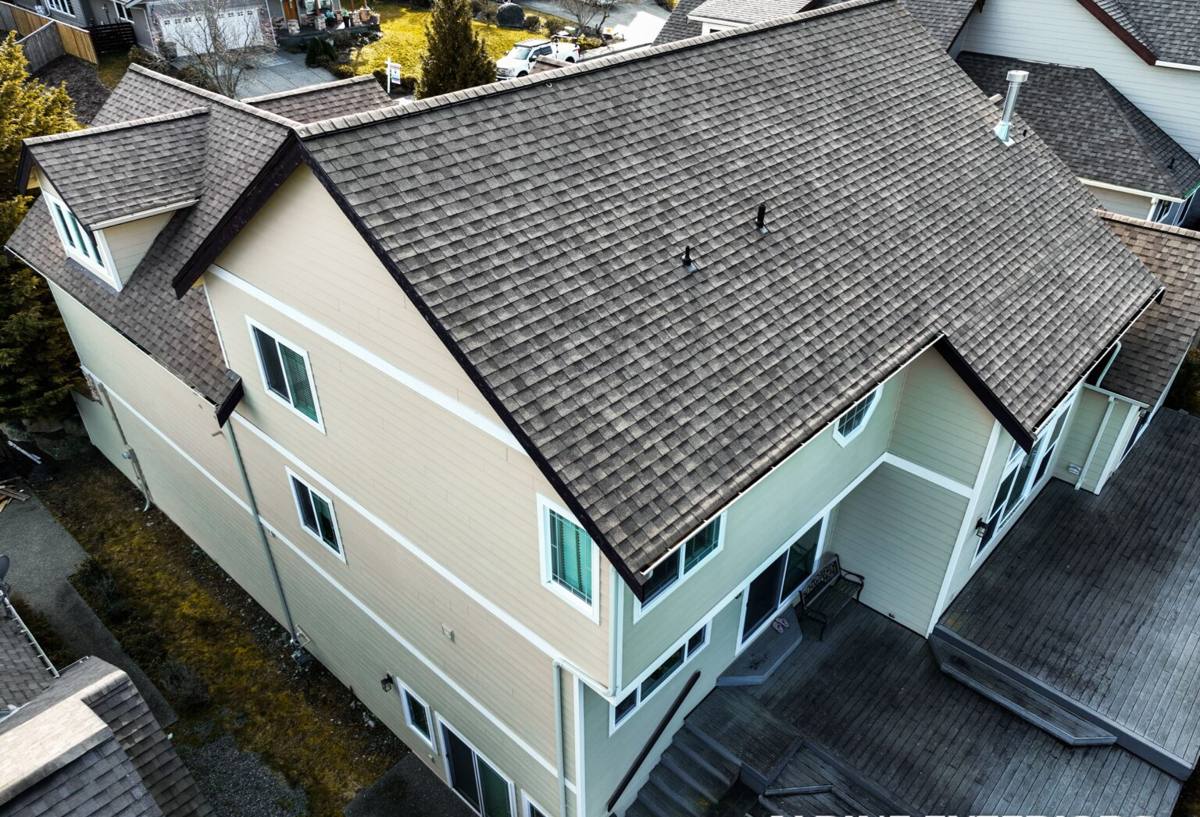
What Makes Sedro-Woolley's Climate Hard on Decks
Sedro-Woolley doesn't get the direct salt spray that waterfront towns closer to the Sound deal with, but salt-laden air still moves up the Skagit Valley on windy, wet days, and it settles into fasteners, flashing, and any exposed metal over time. Combine that with driving rain that comes in sideways during fall and winter storms, and you get moisture finding its way into joints and connections that were never meant to stay wet.
The bigger local factor is shade and moss. Many Sedro-Woolley lots back up to trees or sit in partial shade for a good part of the day, which means decks here dry out slower than decks in open, sunny yards. Slow drying is exactly what moss, algae, and mildew need to take hold. Left alone, a mossy deck surface isn't just unsightly — it holds moisture against the wood or composite surface and becomes slippery and genuinely dangerous underfoot, especially on stairs.
- Extended damp season keeps deck surfaces wet longer than in drier parts of the state
- Shade from mature trees slows drying and encourages moss and algae growth
- Wind-driven rain pushes moisture into ledger boards, stair stringers, and fastener holes
- Freeze-thaw cycles in winter can widen small cracks in footings and connections over a few seasons
What a Correctly Built Deck Needs Here
Drainage First, Everything Else Second
Every good deck starts below the decking boards, not above them. In Sedro-Woolley's climate, water needs a clear path off the structure and away from the house. That means proper slope on ledger connections, gaps between boards sized for drainage rather than just looks, and grading underneath the deck that doesn't trap standing water against posts or footings.
Protected Connections
The ledger board — where the deck attaches to the house — is the single most common failure point we see on older decks in this area. Without proper flashing, water works its way behind the ledger and into the house's rim joist, which can go unnoticed for years because it's hidden. We flash every ledger connection properly and use fasteners rated for exterior, moisture-heavy conditions rather than standard hardware.
Material That Matches the Site
A deck on a sunny, open Sedro-Woolley lot can get away with a wider range of materials than one tucked under fir or cedar trees. On shaded lots, we lean toward materials and finishes that resist moss and mildew rather than just ones that look good on day one.
Decking Material Options for This Climate
There's no single right material for every yard — it depends on budget, how much sun the deck gets, and how much upkeep you're realistically willing to do. Here's how the common options compare for a Sedro-Woolley property specifically.
| Material | How it handles our climate | Maintenance | Rough lifespan |
|---|---|---|---|
| Pressure-treated lumber | Holds up structurally but needs sealing to resist moss and graying in shaded yards | Annual cleaning, re-sealing every 1-2 years | 15-20 years with upkeep |
| Cedar | Naturally resists rot better than untreated wood; still needs finish to fight moss in damp, shaded spots | Cleaning and finish every 1-2 years | 15-20 years with upkeep |
| Composite decking | Doesn't absorb water like wood, but still needs cleaning where moss and algae land on the surface | Periodic washing, no sealing or staining | 25-30+ years |
| PVC decking | Fully resists moisture absorption; performs well in shade and constant damp | Occasional washing | 25-30+ years |
We install all of these and will give you a straight answer on which one fits your yard and budget rather than pushing whatever has the best margin. On heavily shaded Sedro-Woolley lots, we're honest that composite or PVC will save you real maintenance time over the life of the deck, even though the upfront cost is higher than pressure-treated lumber.
Framing and Substructure: Where Failures Actually Start
Most deck problems we get called out to fix in Skagit County aren't surface problems — they're framing problems that eventually show up on the surface. A few things we treat as non-negotiable on every build:
- Footings sized and set below frost depth, not just poured to a shallow, convenient depth
- Joist tape or flashing on top of every joist to keep screws from creating a path for water into the wood
- Proper post-to-beam and beam-to-joist hardware rated for exterior use, not interior-grade connectors
- Adequate spacing and airflow underneath the deck so the substructure can actually dry out between rain events
None of this is visible once the deck is finished, which is exactly why it's tempting to cut corners on it. It's also exactly why we don't.
Our Deck Building Process
1. On-Site Assessment
We walk the property, look at sun and shade patterns, existing drainage, and how the deck will tie into the house. This is where a shaded, moss-prone corner of a Sedro-Woolley lot gets flagged early rather than discovered after the deck is built.
2. Design and Material Selection
We talk through layout, railing style, and materials with you, including honest trade-offs between wood and composite/PVC options given your yard's exposure.
3. Permitting
Most new decks and many significant deck replacements require a permit through the county or city depending on where the property sits. We handle the permit process and make sure the design meets current guardrail, stair, and structural requirements before we build, not after an inspection catches it.
4. Build
Footings, framing, flashing, decking, and railing, in that order, with inspections at the framing stage before decking goes down.
5. Final Walkthrough
We walk the finished deck with you, cover basic care for whatever material you chose, and answer questions before we consider the job done.
Permits and Code Considerations in Skagit County
Deck permitting requirements depend on the deck's height, size, and attachment to the house, and whether the property falls under city or county jurisdiction. Sedro-Woolley properties can fall under either depending on exact location, and requirements can differ slightly between them. Common items that get checked during inspection include:
| Item | Why it matters |
|---|---|
| Guardrail height and baluster spacing | Prevents falls, especially important with kids and pets |
| Ledger attachment and flashing | The most common source of hidden water damage into the house |
| Footing depth and size | Keeps the deck stable through freeze-thaw cycles and wet ground |
| Stair rise and run consistency | Uneven stairs are a common tripping hazard on older decks |
We pull the right permits and build to code from the start, which matters both for safety and for resale — an unpermitted deck can become a real problem when a Sedro-Woolley home eventually goes on the market.
Maintenance to Keep a Sedro-Woolley Deck Lasting
Whatever material you choose, a little seasonal attention goes a long way in this climate. A basic maintenance routine for this area looks like:
- Sweep debris and needles off the deck regularly, especially under trees, so they don't trap moisture
- Wash the surface at least once a year to remove moss and algae before it takes hold, more often in heavy shade
- Check and re-seal wood decking every 1-2 years depending on sun exposure
- Inspect railings, stair connections, and ledger flashing yearly for loose hardware or gaps
- Keep gutters and downspouts near the deck clear so runoff isn't dumping extra water onto or under the structure
Why a Local Burlington Crew Matters for a Sedro-Woolley Project
A crew that only occasionally works this part of Skagit County doesn't build up the same feel for how shade patterns, drainage, and long wet seasons play out on decks here over several years. We're in Sedro-Woolley regularly, not just for the sales call — which means when we recommend a material or a framing detail, it's based on decks we've actually followed up on and repaired years later, not a generic spec sheet. It also means faster response if something needs a look after the build, since we're not driving in from out of the area.
If you're planning a new deck or replacing one that's showing its age, we're happy to come take a look and give you a straightforward, no-pressure estimate — just fill out the form below.