 Burlington
 Storm Damage Roof Repair for Avon Homes
Avon sits low in the Skagit Valley floodplain, close enough to the river and the tidal flats that homes here take a different kind of weather beating than houses up on the bluffs in Burlington proper. Wind funnels down the valley during winter storms, rain arrives sideways more often than straight down, and the moisture just doesn't leave the way it does in drier parts of the state. If you've had a storm move through and you're now looking at missing shingles, a leak in the ceiling, or debris that punched a hole somewhere on the roof, this page is about what a proper repair looks like for a home in this specific area — not a generic rundown of roofing basics.
We're a Burlington-based crew, and Avon is part of our regular service area, not a once-in-a-while trip. That matters more than it sounds like it should, and we'll get into why further down.
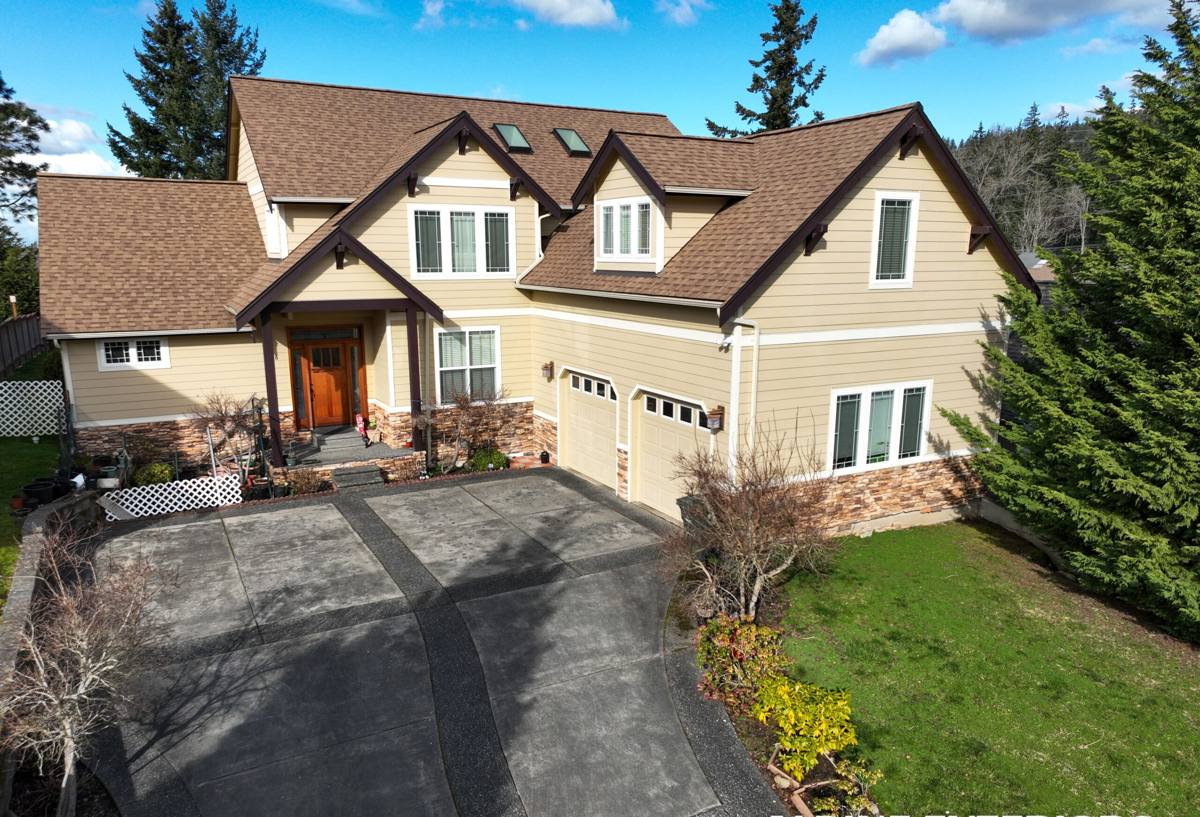
What Avon's Climate Actually Does to a Roof
Skagit County weather isn't dramatic in the way a hurricane zone is, but it's relentless in a way that adds up over years. A few specific things play into storm damage and repair decisions for homes in and around Avon:
Salt Air and Corrosion
Avon's proximity to Padilla Bay and the Sound means a steady low dose of salt-laden moisture in the air. That accelerates corrosion on exposed metal — flashing, fasteners, gutter hardware, and any exposed nail heads. A storm that rips a few shingles loose on a roof further inland might just expose the underlayment. On a roof out here, that same event exposes fasteners that may already be partway corroded, which changes how quickly a small problem becomes a bigger one.
Driving Rain
Wind-driven rain during valley storms doesn't just fall on the roof — it gets pushed sideways and upward under shingle edges, around chimney flashing, and into any gap that a calmer rain would never find. This is the single biggest reason storm repairs that look fine from the ground can still leak weeks later: the damage isn't just "missing material," it's water intrusion pathways that opened up during the wind event and stay open until they're properly resealed.
Moss and Trapped Moisture
Western Washington's long wet season means moss gets a long runway to establish itself, especially on north-facing slopes and shaded sections of roof. Moss holds moisture against the roofing material far longer than open air would allow, softening shingles and slowly working under tabs. A storm that dislodges shingles in an area that already had moss growth typically reveals decking that's been sitting damp for a while — which is a different repair than a clean break in a dry, well-ventilated section.
What Counts as Storm Damage (and What Doesn't Always Show)
Homeowners usually call us for the obvious stuff — a tree limb through the roof, a section of shingles peeled back, a tarp that a neighbor helped throw on after the wind died down. Those are real, but they're often not the whole story. A thorough storm damage inspection after a wind or rain event in Avon typically checks for:
- Missing, cracked, or creased shingles — including ones that look intact but have lost their seal
- Lifted or bent flashing around chimneys, vents, and roof-to-wall transitions
- Granule loss in gutters and downspouts, which signals accelerated shingle wear
- Soft spots or give in the decking when walked, especially near valleys and eaves
- Gutter and downspout separation from wind load or debris impact
- Water staining on interior ceilings or attic sheathing that wasn't there before the storm
- Nail pops or exposed fasteners where wind uplift worked shingles loose without fully removing them
That last category — damage that doesn't announce itself — is the reason we don't recommend skipping an inspection just because nothing is obviously wrong from the driveway.
Our Repair Process
1. Inspection and Documentation
We walk the roof (weather permitting) and document what we find — photos, notes on affected sections, and an honest read on whether this is a patch repair or something that points toward a larger issue, like widespread age-related wear that the storm just exposed. If you're planning to file an insurance claim, this documentation is the foundation of that claim.
2. Emergency Mitigation
If there's active water intrusion, the first priority is stopping it — tarping, temporary flashing, or sealing whatever opening is letting water in. This isn't the final repair, it's damage control while we plan the actual fix, and it matters because every day water sits against decking or insulation is a day that makes the eventual repair bigger.
3. Matching and Sourcing Materials
For a targeted repair, we try to match existing shingle color and profile as closely as possible. Roofs age and fade unevenly, so a perfect match isn't always achievable — we'll tell you honestly if a repaired section is going to be visible rather than promise a seamless blend we can't deliver.
4. The Repair Itself
This includes replacing damaged shingles, re-securing or replacing corroded flashing, checking and resealing penetrations (vents, chimneys, skylights), and confirming the decking underneath is sound before anything new goes down. If decking is soft or delaminated from trapped moisture, that gets replaced — patching shingles over compromised decking just delays a bigger repair.
5. Final Check and Cleanup
We check the repaired area and surrounding sections for anything else the storm may have loosened, clear debris and old material, and walk you through what was done and why.
Repair vs. Replacement: How We Make the Call
Not every storm-damaged roof needs full replacement, and not every roof is a good candidate for another round of patching. Here's roughly how we think through it:
| Factor | Leans Toward Repair | Leans Toward Replacement |
|---|---|---|
| Roof age | Under 12-15 years, otherwise healthy | Nearing or past expected lifespan |
| Damage extent | Isolated to one section or slope | Spread across multiple slopes |
| Decking condition | Solid, no soft spots found | Soft, delaminated, or moisture-damaged in multiple areas |
| Prior repair history | First storm event, no patch-on-patch history | Roof already has several past repairs stacked up |
| Moss/algae condition | Minimal, roof otherwise well-ventilated | Heavy moss coverage with visible granule loss |
We'll always give you the repair option first if it's a legitimate long-term fix. We're not going to push a full replacement when a targeted repair will genuinely hold up — but we'll also tell you plainly if a repair is just going to be a short-term patch on a roof that's telling you it's done.
Insurance Claims and Storm Repairs
Many storm repairs in this area go through homeowners insurance, and a few things help that process go smoother:
- Photograph damage as soon as it's safe to do so, before any tarping or cleanup
- Keep any receipts for emergency mitigation (tarps, temporary materials)
- Get an inspection promptly — some policies have windows for reporting storm damage
- Request an itemized estimate that separates emergency mitigation from permanent repair
- Ask your adjuster directly whether matching materials are covered if an exact match isn't available
We're happy to provide documentation that supports a claim, but we work for you, not the insurance company — our job is an honest assessment of what the roof needs, not a number designed to satisfy either side.
Why Hiring a Crew That Already Works Avon Matters
There's a real difference between a contractor who drives out from Seattle or Everett for a one-off job and a crew that already knows this stretch of Skagit County. A few practical reasons that matters here specifically:
- We know the microclimate. The combination of low-lying valley position, salt air proximity, and moss pressure isn't identical to Burlington's higher ground or to inland Sedro-Woolley — we adjust our material and flashing choices accordingly.
- Faster response during storm season. When a wind event hits the valley, response time matters for stopping water intrusion. A local crew isn't starting from an hour away.
- We're around for the follow-up. If a repair needs a look six months later, we're still a local business, not a name from an out-of-town storm-chaser crew that showed up after the last big weather event and left town.
- We understand permitting and access. Local jobs mean familiarity with typical lot layouts, access considerations, and the practical realities of working in this part of the county.
Storm-chasing roofing outfits are a known issue after major weather events anywhere in the country — crews that appear right after a storm, do fast work, and are gone before problems surface. We'd rather you make hiring decisions with your eyes open: ask any contractor for a local address, ask how long they've worked in Skagit County, and ask for references from work done more than a year ago, not just the last storm.
Maintenance That Reduces Future Storm Damage
A storm-damaged roof is often a roof that was already carrying some wear before the wind arrived. A few habits that reduce how much damage the next storm does:
- Trim back tree limbs that overhang the roofline, especially before winter storm season
- Keep gutters clear so wind-driven rain has somewhere to go instead of backing up under the roof edge
- Address moss growth before it spreads across a full slope
- Have flashing checked periodically, since it's usually the first thing to fail under wind and moisture stress
- Don't ignore small leaks — a slow drip after a storm is often a sign a repair is needed before the next one hits
Getting Started
If a recent storm has left your Avon home with roof damage — obvious or just suspected — the smart first step is a straightforward inspection, not a guess from the ground. We'll give you a clear, honest picture of what's actually going on and what it would take to fix it right, whether that's a targeted repair or something more involved. If you'd like a free, no-pressure estimate, the form below is the easiest way to reach us.