 Burlington
 Board and batten is one of the most recognizable siding styles in the Skagit Valley — you'll see it on farmhouses out toward the flats, on newer builds going up around Mount Vernon, and on older homes getting a facelift. It's a strong look: wide vertical boards with narrow battens covering the seams, giving a home clean vertical lines instead of the horizontal shadow lines of lap siding. Done right, it holds up well to this region's weather. Done with the wrong material or the wrong install details, it's one of the faster ways to end up with hidden moisture damage, because the seams and battens create more edges and fastening points than a standard lap job.
This page is about board and batten specifically, for homes in and around Mount Vernon. Not a general siding overview — what this style needs to survive Skagit County's climate, what a correct installation actually involves, and how we handle it.
Why Board and Batten Needs Extra Care in This Climate
Mount Vernon sits in the Skagit River valley, close enough to Puget Sound and the Strait of Juan de Fuca that homes here deal with salt-laden air, long stretches of driving rain off the water, and a moss season that can run most of the fall through spring. None of that is unique to board and batten siding — every siding style in this area fights the same conditions. But board and batten's design puts more seams and more fastener penetrations into the wall than a lap profile does, and every one of those is a potential point of water entry if it isn't detailed correctly.
The battens themselves are also a moss and mildew magnet if the material underneath them can't handle sustained moisture. A batten strip creates a narrow channel where humid air sits longer than it does on an open, sloped lap board. On a material that swells, delaminates, or absorbs water at the cut edges, that channel is exactly where problems start first — usually where you can't see them until the moss or the paint failure gives it away.
What This Means for Mount Vernon Homes Specifically
Homes on the valley floor and closer to the water tend to see more sustained damp weather and salt exposure than homes further inland toward the foothills. That doesn't change the fundamentals of a correct install, but it does raise the stakes on getting flashing, caulking, and material choice right the first time — a marginal install that might limp along in a drier climate will get found out faster here.
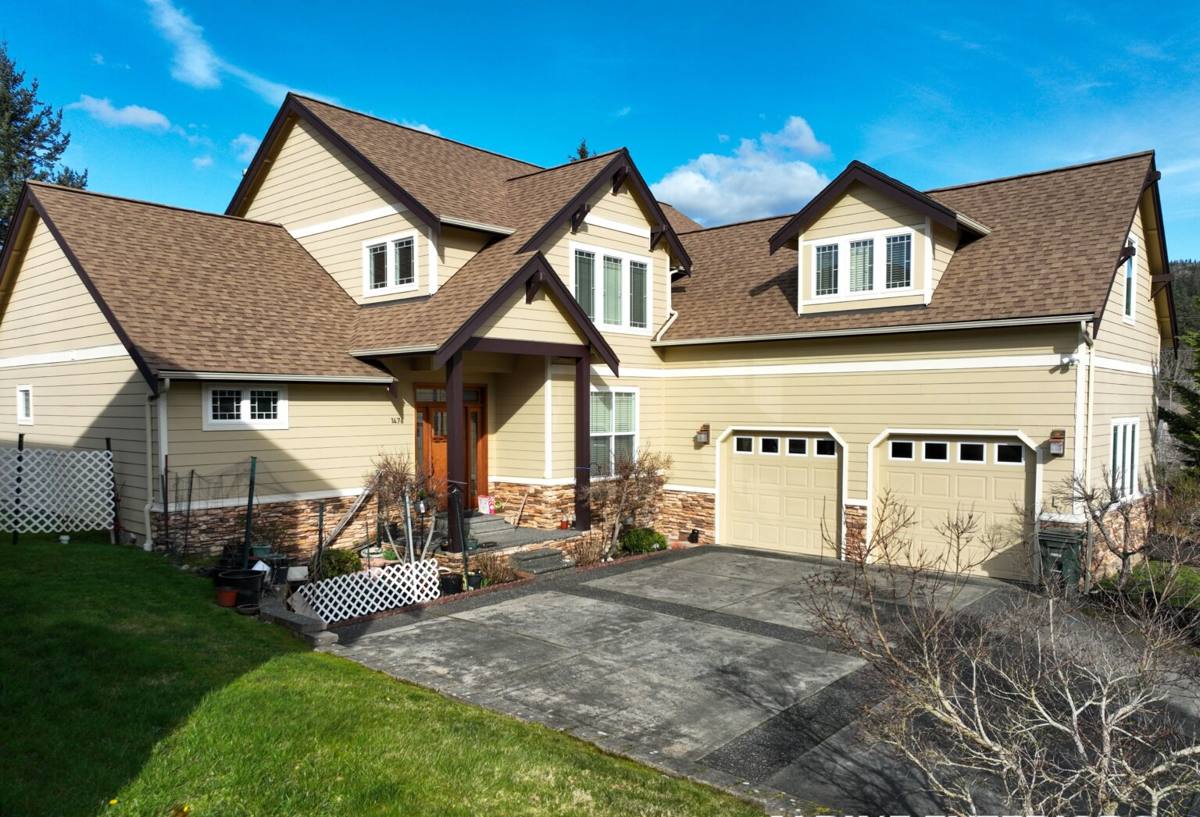
Why We Only Install James Hardie for This Style
Board and batten is available in a lot of materials — vinyl, engineered wood, primed spruce or cedar, and various fiber cement brands. We don't install most of them, and for this particular style the reasons matter more than usual.
- Vinyl board and batten is lightweight and can look convincing from the street, but it expands and contracts with temperature swings, and the battens are usually just surface detail rather than true overlapping boards — moisture management depends entirely on the water-resistive barrier behind it, since the panel itself isn't doing much.
- Primed wood and engineered wood board and batten looks great on day one, but the cut ends and batten channels are wood fiber, and wood fiber that stays damp for weeks at a time in a Skagit Valley winter is going to swell, check, or invite rot faster than most homeowners expect from a "new" product.
- Other fiber cement brands get closer to what we want structurally, but we've standardized on James Hardie specifically for its factory-controlled formulation, its HZ5 climate engineering for the Pacific Northwest, and the ColorPlus factory finish, which matters even more on board and batten because the batten strips have more cut edges exposed to the weather than a typical lap profile.
We're not going to tell you every one of those products fails — plenty of them perform adequately in the right conditions with a flawless install. What we'll tell you is that board and batten is an unforgiving style to get wrong, and after years of doing exterior work in this climate, James Hardie fiber cement is the only material we're willing to put our name on for it.
What James Hardie Board and Batten Actually Is
James Hardie's board and batten look is achieved with vertical fiber cement panels — HardiePanel vertical siding is the common base — paired with HardieTrim battens over the seams. It's non-combustible fiber cement, engineered to resist swelling, cracking, and pest damage, and it comes prefinished with ColorPlus Technology, a factory-applied finish that's baked on rather than field-painted. That matters on this style specifically: every batten and every panel edge is factory-finished before it ever gets nailed to the wall, instead of relying on a painter to fully coat cut ends and tight channels after installation.
Fiber cement doesn't expand and contract with moisture and temperature the way wood or vinyl does, which keeps the reveal lines and batten spacing looking straight for the life of the siding instead of gapping or buckling. And because it's rigid and dimensionally stable, the fastening pattern behind each batten stays tighter and more consistent over time — which is exactly where board and batten either holds up for decades or starts failing at the seams.
What a Correct Board and Batten Installation Involves
The material is only half of it. Board and batten fails almost as often from installation shortcuts as from a poor material choice, because the style has more seams to detail correctly than a standard lap job. A correct install includes:
- A continuous, correctly lapped water-resistive barrier behind the panels — not just building paper stapled up quickly
- Proper flashing at every horizontal panel joint, window, door, and roofline transition
- Batten fastening that follows Hardie's engineered fastening pattern and stud spacing, not just "close enough"
- Correct gap and sealant details at panel butt joints so the assembly can handle seasonal movement without trapping water
- Rain-screen or drainage considerations appropriate to a wetter marine climate, so incidental moisture behind the panel has somewhere to go
- Factory-cut or properly sealed field cuts, since an unsealed cut edge is the single most common point of moisture entry on any fiber cement job
Skip any of those and you can end up with a wall that looks right for a year or two before the batten channels start showing streaking, moss growth, or paint failure at the seams — problems that are expensive to fix because they usually mean pulling boards, not just recaulking.
Our Process for Mount Vernon Homes
We work board and batten jobs the same deliberate way every time, adjusted for what a given home's exposure calls for:
- On-site assessment. We look at the home's orientation, roof overhangs, existing moisture or moss patterns, and how exposed the walls are to prevailing wind-driven rain — that tells us where extra flashing attention is needed.
- Tear-off and inspection. Removing the old siding lets us check sheathing condition before anything new goes up. If there's hidden rot or water damage from a prior install, we address it before covering it back up.
- Weather barrier and flashing. This is the layer that does the real waterproofing work — the siding is the second line of defense, not the first.
- Panel and batten installation. Installed to Hardie's fastening and spacing specifications, with attention to consistent reveal and true vertical lines.
- Detail work. Sealed cut edges, correct caulking at transitions, and a final check of every seam before we call it finished.
Comparing Board and Batten Materials for This Climate
| Material | How It Handles Sustained Damp/Salt Air | Batten Channel Risk | Long-Term Finish |
|---|---|---|---|
| Vinyl | Doesn't absorb water itself, but relies fully on the barrier behind it | Battens are often decorative, not structural | Can fade and become brittle over years of UV and temperature cycling |
| Primed wood / engineered wood | Wood fiber swells and can rot if damp persists | Higher risk — channels trap moisture against wood fiber | Requires repainting and edge maintenance over time |
| James Hardie fiber cement | Non-combustible, dimensionally stable, HZ5-engineered | Low risk when factory-finished edges and correct sealing are used | ColorPlus factory finish, backed by a transferable warranty |
Cost Factors for Board and Batten Siding
Board and batten typically runs somewhat higher than standard lap siding for the same square footage, because of the added batten material and labor for precise, consistent spacing. Exact pricing depends on the home, but the main cost drivers are worth understanding before you get quotes:
| Factor | Why It Affects Cost |
|---|---|
| Wall complexity | More corners, gables, and transitions mean more cuts and flashing detail |
| Existing wall condition | Sheathing repair or rot remediation adds labor before siding even starts |
| Batten spacing and pattern | Tighter or custom spacing takes more layout time than a standard reveal |
| Color and finish choice | Factory ColorPlus finishes vary slightly by line and color selection |
| Access and site conditions | Multi-story walls, tight lot lines, or landscaping can add labor time |
Why Local Experience on This Style Matters
Anyone can hang siding on a calm, dry day. Board and batten in Skagit County has to be installed by people who understand what this valley's weather does to a wall over ten, twenty, thirty years — not just what it looks like the day the crew leaves. A contractor who works Mount Vernon and Burlington regularly knows the exposure differences between a home tucked against a hillside and one sitting open toward the water, and adjusts flashing and drainage details accordingly instead of running the same generic install everywhere.
That local pattern recognition is hard to replace with a crew passing through the area for a one-off job. It's also why we stick to one siding system we know thoroughly rather than juggling five different manufacturers' installation specs across our crews.
A Few Questions Worth Asking Any Contractor Before You Hire
- Will you show me the flashing and water-resistive barrier details before the siding goes on, not just the finished wall?
- What's your batten fastening pattern, and does it follow the manufacturer's engineered spec?
- How do you handle cut edges in the field — are they sealed before installation?
- What warranty applies to the material, and what applies to your labor?
- Have you worked on homes in this specific area, and do you know its typical exposure issues?
If you're weighing board and batten for a home in Mount Vernon, we're happy to take a look and talk through what your walls actually need — no pressure, no generic estimate copied from a spreadsheet. Fill out the form below and we'll set up a time to walk the property with you.