 Burlington
 Roofing in Bow: A Different Set of Problems Than Inland Homes
Bow sits close enough to Samish Bay and Padilla Bay that homes here deal with a roofing environment most inland Skagit County properties don't. Salt-laden air moves in off the water, driving rain comes in sideways during winter storms, and the tree cover and damp shade that make this area beautiful also make it one of the mossiest micro-climates in the county. A roof that would hold up fine in a drier part of Washington can wear out early in Bow if it wasn't built for these specific conditions.
We've replaced roofs throughout the Bow area and the rest of Burlington's surrounding communities long enough to know which failure patterns show up here again and again. This page walks through what that means for a roof replacement done right, not just a roof replacement done fast.
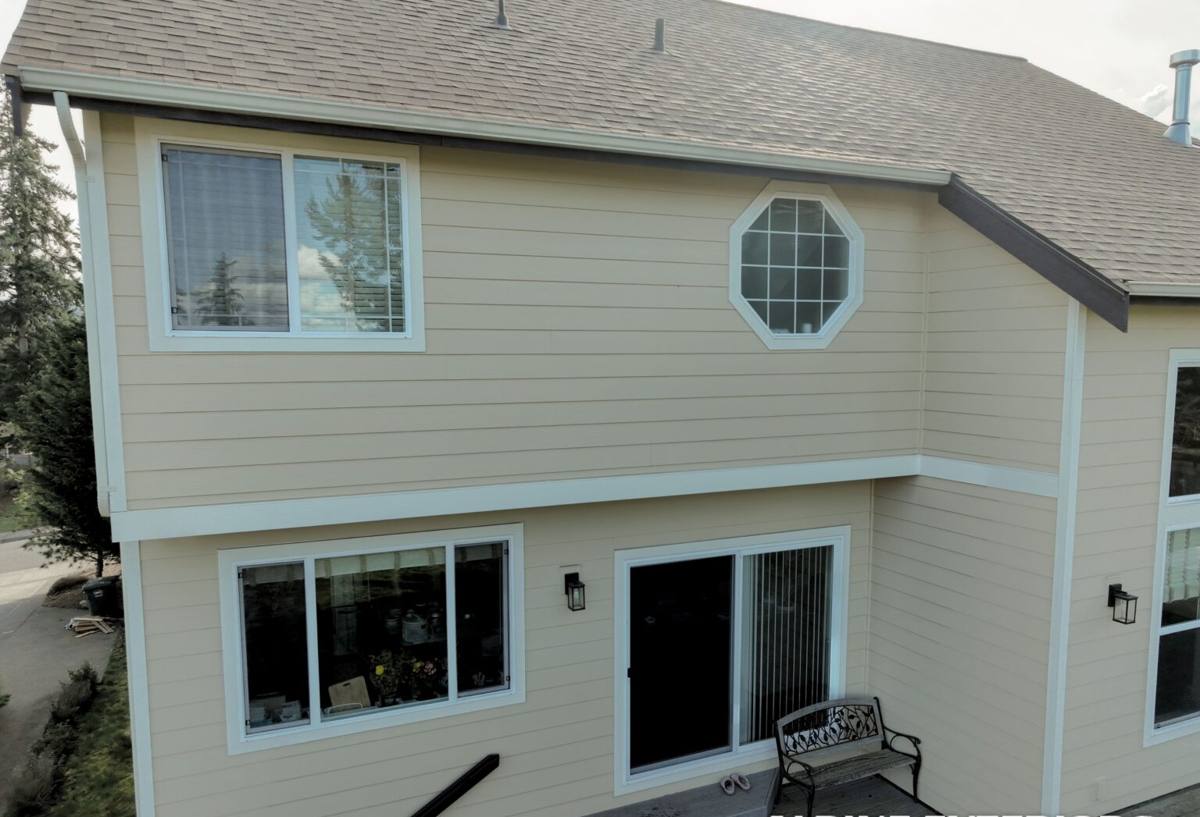
What Bow's Climate Actually Does to a Roof
Salt Air and Metal Fatigue
Salt air accelerates corrosion on anything metal — nails, flashing, valley metal, drip edge, even the fasteners holding shingles down. On a lot of older roofs in this area, the shingles themselves still look fine while the flashing and fasteners underneath have quietly corroded for years. That's a common cause of leaks that seem to "come from nowhere."
Driving Rain and Wind-Driven Water
Storms coming off the water don't just fall straight down — they push rain sideways and up under shingle edges, laps, and flashing details. A roof that relies only on shingles for waterproofing, without a properly designed underlayment system, is vulnerable in exactly these conditions.
Moss and Prolonged Moisture
Shade, humidity, and a long wet season give moss everything it needs. Moss doesn't just look bad — it holds moisture against the roofing material, lifts shingle edges, and works its way under laps over time. A roof that isn't detailed for airflow and drainage will grow moss faster than one that is, regardless of the material.
What a Correct Roof Replacement Involves Here
A roof replacement in Bow isn't just stripping off old shingles and nailing down new ones. The parts that actually determine how long the roof lasts are mostly things you can't see once it's done:
- Full tear-off and deck inspection — checking the sheathing underneath for rot, soft spots, or water staining before anything new goes down.
- Ice-and-water shield at vulnerable points — valleys, eaves, and around penetrations, where wind-driven rain is most likely to get forced under the surface layer.
- Corrosion-resistant fasteners and flashing — standard galvanized components corrode faster this close to the water; we account for that in material selection.
- Proper attic and roof ventilation — moisture trapped under the roof deck from the inside is just as damaging as rain from the outside, and it also feeds moss and mold growth.
- Algae- and moss-resistant materials where appropriate — many manufacturers now build copper or zinc granules into shingles specifically for climates like this one.
- Clean, correct flashing details around chimneys, skylights, and roof-to-wall transitions — the single most common leak point on any roof, coastal or not.
Choosing a Roofing Material for a Bow Property
There's no single "best" roofing material for every home — it depends on your budget, your home's style, and how much long-term maintenance you're willing to do. Here's how the common options actually compare for this specific climate:
| Material | Moss Resistance | Salt Air Durability | Typical Lifespan | Maintenance |
|---|---|---|---|---|
| Architectural asphalt shingle (algae-resistant) | Good with proper ventilation | Good with corrosion-resistant flashing | 25–30 years | Occasional moss treatment |
| Standard 3-tab asphalt shingle | Fair — moss-prone without upkeep | Fair | 15–20 years | Regular moss/algae treatment |
| Metal roofing (steel or aluminum, coated) | Very good | Good to excellent, coating-dependent | 40–50+ years | Low |
| Cedar shake | Poor without diligent upkeep | Fair — needs regular treatment | 20–25 years with maintenance | High |
We don't push one product on every roof. What we will tell you honestly: in a moss-heavy, salt-air location like Bow, an untreated cedar roof is a lot of ongoing work to keep looking and performing well, and standard 3-tab shingles tend to show moss and algae staining sooner than algae-resistant architectural shingles. Metal costs more up front but asks the least of you over the decades that follow. Which one makes sense depends on your home, your roofline, and your budget — that's a conversation, not a form.
Signs a Bow Roof Needs Replacing, Not Just Patching
- Moss buildup that comes back within a season or two of cleaning
- Granule loss showing up in gutters or downspouts
- Soft or spongy spots on the roof deck
- Curling, cracking, or lifted shingle edges, especially on the side of the house facing prevailing wind and rain
- Rusted or visibly corroded flashing, valleys, or fasteners
- Water stains on interior ceilings, especially after wind-driven storms rather than steady rain
- A roof approaching or past the manufacturer's expected lifespan for its material
If you're only seeing one or two of these, a repair may still make sense. If several are present together, or the roof is old enough that repairs are becoming frequent, replacement is usually the more honest recommendation — patch jobs on a roof that's failing broadly just delay the same cost while risking interior water damage in the meantime.
How We Handle a Roof Replacement in Bow
1. On-Site Inspection
We walk the roof and the attic, not just look from the ground. That's the only way to catch deck damage, ventilation problems, or flashing issues that a drive-by estimate misses.
2. Material and Detail Recommendations
Based on your home's exposure — how close it is to open water, how much shade and moss pressure it has, what direction storms typically hit — we recommend materials and details suited to that specific exposure, not a one-size-fits-all package.
3. Tear-Off and Deck Repair
Full removal of the old roofing, inspection of the sheathing, and repair or replacement of any damaged deck sections before new material goes down.
4. Underlayment and Flashing Installed for Wind-Driven Rain
Ice-and-water shield at the vulnerable points, correctly lapped underlayment across the field, and new flashing at every transition — chimneys, skylights, valleys, walls.
5. Roofing Installation
Installed to manufacturer specifications, with corrosion-resistant fasteners appropriate to a coastal-influenced climate.
6. Ventilation Check
We confirm intake and exhaust ventilation are balanced, since a new roof over a poorly ventilated attic will still trap moisture and invite moss regardless of the shingle used.
7. Cleanup and Final Walkthrough
Full site cleanup, including a magnetic sweep for stray fasteners, and a walkthrough so you know exactly what was done and why.
Why It Matters That We Already Work This Area
Bow is a small community, and its roofing needs are shaped by a very specific set of conditions — proximity to the water, tree cover, and Skagit County's wet, mossy winters. A crew that mostly works drier inland neighborhoods can still do competent work, but they're not necessarily thinking about corrosion-resistant flashing or moss-resistant shingle blends as a default, because most of their jobs don't require it. We size up Bow roofs with those factors already in mind, because we see them on a regular basis, not as an exception.
Working locally also means straightforward logistics — permitting through the appropriate Skagit County process, a faster response if weather threatens a job in progress, and a crew that isn't driving in from out of the region and treating your roof as a one-off stop.
What Affects the Cost of a Bow Roof Replacement
| Factor | Why It Matters |
|---|---|
| Roof size and pitch | More surface area and steeper pitches increase labor and material needs |
| Number of layers to remove | Multiple existing layers add tear-off time and disposal cost |
| Deck condition | Rotted or soft sheathing found during tear-off requires repair before install |
| Material choice | Asphalt, metal, and cedar carry very different material and labor costs |
| Roof complexity | Valleys, dormers, skylights, and chimneys all add flashing detail and time |
| Ventilation upgrades | Adding or correcting intake/exhaust vents adds modest cost but pays off long-term |
Because of these variables, a roof replacement in this area can honestly range from a modest project on a simple, smaller roof to a significant investment on a large or complex one. We won't quote a number without seeing the roof — anyone who does is guessing.
Get an Honest Look at Your Roof
If moss keeps coming back, a storm left you with a new stain on the ceiling, or your roof is simply getting old, it's worth having someone look at it who understands what Bow's climate does to a roof over time. We offer free, no-pressure estimates — use the form below to get one scheduled.