 Burlington
 Decks Around Clear Lake Wear Differently Than Decks Elsewhere in Skagit County
Clear Lake sits in a pocket of Skagit County where mature tree cover, lake-driven humidity, and long stretches of shade combine with the region's wet winters to create conditions that are genuinely tough on outdoor structures. Homes closer to the water deal with near-constant dampness underfoot; homes tucked under fir and cedar canopy deal with needle litter, filtered sun, and surfaces that rarely fully dry out between rain events. Add in the marine-influenced air that moves through this part of the valley off Puget Sound, and you get a climate that's harder on wood, fasteners, and finishes than a dry-side deck ever has to deal with.
We've replaced and repaired decks throughout this neighborhood long enough to see the pattern repeat: a deck that would last two decades in a sunny, open yard starts showing real problems in twelve to fifteen years here, sometimes sooner if it was built without enough attention to drainage and airflow underneath. That's not a knock on the original builder — it's just what driving rain, moss, and shade do to a structure year after year.
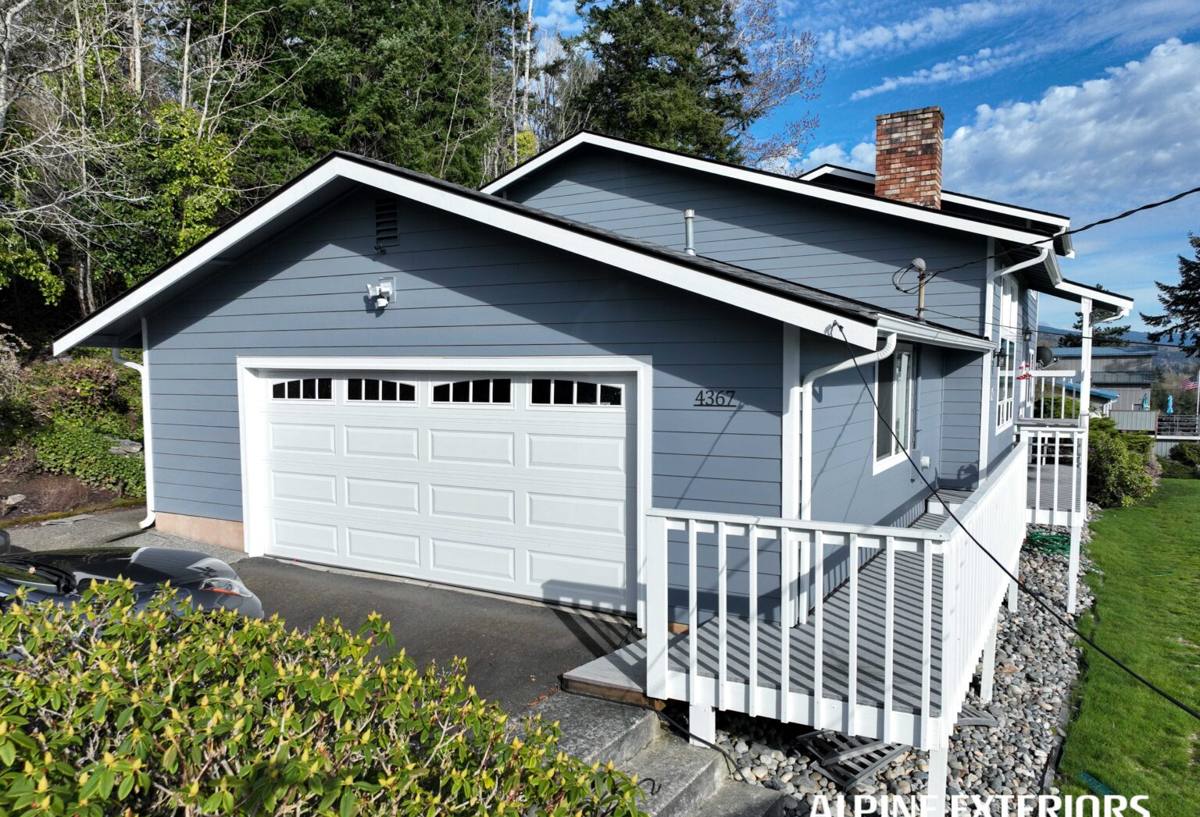
What Skagit County's Climate Actually Does to a Deck
Moss and Organic Growth
Moss doesn't just make a deck look neglected — it holds moisture directly against decking boards and fasteners, which accelerates rot in wood and can trap grime against composite surfaces. Around Clear Lake, shaded north-facing decks and any deck near overhanging trees are the first to show green growth in the boards' joints and along the north edge of railings.
Driving Rain and Wind-Driven Moisture
Skagit County storms don't just fall straight down — wind pushes rain sideways into ledger boards, stair stringers, and any spot where the deck meets the house. Over time that's where we find the worst hidden damage: not on the open deck surface, but where water has been working its way behind rim joists and flashing for years without anyone noticing.
Freeze-Thaw and Slow Drying
This area doesn't get brutal winters, but it does get repeated cycles of damp, cold, and brief freezes. Wood that never fully dries out is more prone to fastener corrosion, fungal decay, and warping — especially on the shaded parts of a lot that hold moisture longer after every rain.
Signs a Clear Lake Deck Needs Replacement, Not Just Repair
- Soft, spongy, or springy spots in the decking or near the stairs
- Visible rot, discoloration, or crumbling wood at the ledger board where the deck attaches to the house
- Rust streaks or loose fasteners around joist hangers and structural connections
- Persistent moss or black staining that comes back within weeks of cleaning
- Railings that wobble or posts that have any give when you lean on them
- Gaps opening up between boards, or boards that have cupped and won't lie flat
- A deck more than 20 years old that has never had the substructure inspected
A few of these on their own might mean a repair is enough. Rot at the ledger board or in structural framing, though, is usually a sign the whole system needs to come apart — patching around compromised framing just moves the problem, it doesn't solve it.
What a Correct Deck Replacement Actually Involves
A deck replacement done right is a structural project, not a cosmetic one. Skipping steps here is exactly how a deck ends up needing another replacement in half the time it should have lasted.
Tear-Off and Inspection
We remove the old decking, railings, and as much of the substructure as needed to see the framing, ledger connection, and any posts or footings underneath. This is where hidden rot and water damage usually turn up — and it's information you need before pricing or planning the new deck.
Ledger and Flashing
The ledger board — where the deck ties into the house — is the single most important connection on the whole structure, and it's the one place a wet climate like ours punishes fastest if it's flashed wrong. Correct flashing keeps water from tracking behind the siding and into the house framing, not just off the deck.
Footings and Structural Framing
Depending on the age and condition of the existing footings, we evaluate whether they meet current code and can be reused, or whether new footings are needed. Joists, beams, and posts get sized and spaced to current building code, not just matched to whatever was there before.
Decking Material
This is the choice most homeowners spend the most time on, and it's worth doing right given the climate. See the comparison below.
Railings, Stairs, and Code Compliance
Railing height, baluster spacing, and stair geometry all have code requirements, and older decks around Skagit County were often built before current standards. A replacement is the right time to bring all of it up to code, not just replace what was there.
Decking Material Comparison for a Shaded, Wet Lot
| Material | How It Handles This Climate | Maintenance | Typical Lifespan |
|---|---|---|---|
| Pressure-treated lumber | Affordable, but moisture and shade accelerate checking, warping, and moss growth without regular upkeep | Annual cleaning and refinishing recommended | 10-15 years in shaded/wet spots |
| Cedar | Naturally rot-resistant and handles moisture well, but still needs finish maintenance to hold its color and resist moss in shade | Periodic cleaning and sealing | 15-20 years with upkeep |
| Composite decking | Resists rot and moisture absorption well; still needs cleaning where moss or algae can grow on the surface | Occasional washing, no staining/sealing | 25-30 years, manufacturer-dependent |
None of these are wrong choices — the right one depends on your budget, how much shade your specific lot gets, and how much upkeep you actually want to do. We'll walk your yard and tell you honestly which material fits your spot, rather than pushing whatever has the best margin.
Our Process for a Clear Lake Deck Replacement
- On-site assessment — we walk the existing deck, check the ledger and framing where visible, and talk through what you actually use the deck for
- Written estimate — clear scope, material options, and pricing before any work starts, no surprise change orders for things we could have caught up front
- Tear-off and structural inspection — full removal and a real look at what's underneath before we finalize the plan
- Framing and flashing — the structural work that determines whether the new deck lasts
- Decking, railings, and finish work — installed to current code with attention to drainage and airflow underneath
- Final walkthrough — we go over the finished deck with you, including how to maintain it in this climate
Why Hiring a Crew That Already Works Clear Lake Matters
A deck built for a dry, open lot in eastern Washington isn't built the same way as one that needs to survive shade, lake humidity, and driving rain in Skagit County. Ledger flashing details, footing depth, joist spacing for moisture-heavy lumber, and material choices all shift when the climate is working against the structure instead of neutral. A crew that's replaced decks around this specific neighborhood knows which yards hold moisture longest, which slopes need extra drainage attention, and which shaded spots are going to fight moss no matter what material goes down.
There's also a practical side to hiring local: a crew based in Burlington isn't driving an hour each way to handle a warranty callback or check on how a new deck is holding up after its first wet winter. That matters more here than in a mild, dry climate, because the first real test of a Skagit County deck is usually its first full rainy season.
Keeping a New Deck in Good Shape After Installation
- Sweep off needles, leaves, and debris regularly, especially in shaded areas — trapped organic matter is what feeds moss and mildew
- Clean the deck surface at least once a year, more often if it's under heavy tree cover
- Check railings and stair connections annually for any looseness
- Keep gutters and downspouts near the deck clear so runoff isn't dumping directly onto or under it
- For wood decks, plan on refinishing on the schedule your material actually needs — skipping years is how shaded decks fail early
None of this is complicated, but it's the difference between a deck that makes it to 25 years and one that needs major work again in 12.
Let's Look at Your Deck
If you're weighing repair versus replacement, or just want an honest read on how much life is left in your current deck, we're happy to come take a look. There's no pressure and no obligation — just a straight assessment from a crew that knows what this climate does to decks in the Clear Lake area. Use the form below to request a free estimate.