 Burlington
 Why Oak Harbor Windows Wear Out Faster Than Windows Inland
Homes near the water take a different kind of beating than homes twenty miles inland, and windows are usually the first place it shows. Salt-laden air off the Sound works into aluminum hardware and steel fasteners, driving rain finds every gap in old caulk, and the long stretch of gray, wet months each year keeps wood trim and sills damp for days at a time. Add in the moss and algae that thrive in that same dampness, and you've got a set of conditions that will quietly break down a window system that would last decades somewhere drier.
None of this means Oak Harbor is a bad place to own windows. It means the installation has to account for what the site actually throws at it — correct flashing, the right frame material, and sealing details that assume wind-driven rain instead of hoping it never happens. That's the difference between a window that's still tight in fifteen years and one that's letting in drafts by year five.
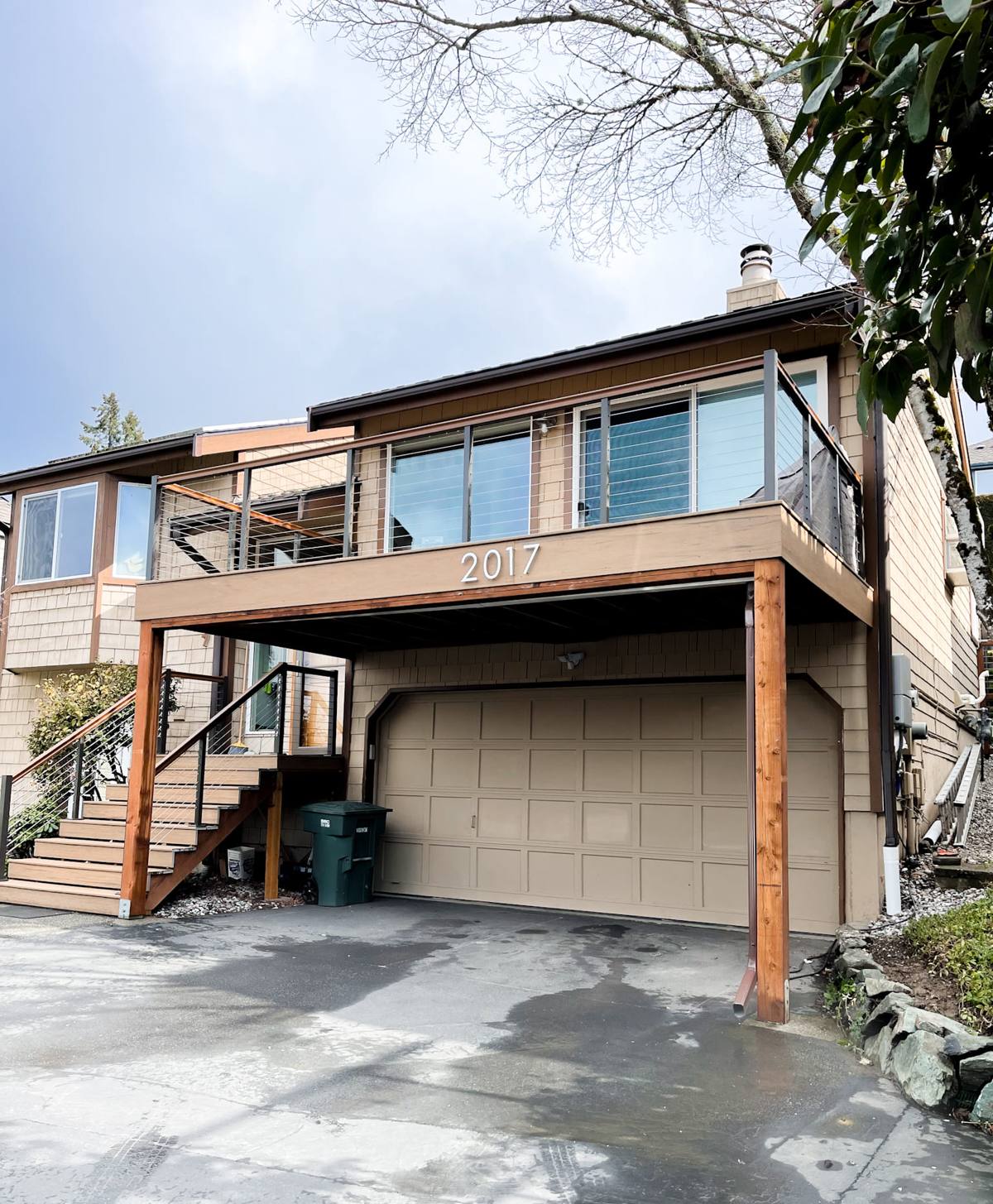
Signs Your Current Windows Are Losing the Fight
Most homeowners don't replace windows because they woke up and decided to — they replace them because the signs finally added up. Worth checking for:
- Fogging or a permanent haze between the panes of a double-pane unit (the seal has failed and the gas fill is gone)
- Soft or spongy wood at the sill or the bottom corners of the frame
- Visible moss, algae, or dark streaking on the exterior trim around the window
- Drafts you can feel with a hand near the frame on a windy day
- Paint that keeps bubbling or peeling at the same spots no matter how often it's redone
- Difficulty opening, closing, or locking — often a sign the frame has swelled or shifted
Any one of these on its own might just need a repair. Several at once, especially on the same window, usually means the original installation — or the window itself — has reached the end of its useful life in this climate.
What a Correct Window Installation Actually Involves
Window installation looks simple from the outside: pull the old one, drop in the new one, caulk the edges. Done wrong, that's exactly how you end up with rot behind the trim two years later. Done right, it's a sequence of steps where each one protects the one before it.
Flashing and the Moisture Barrier
Before a new window ever goes in, the rough opening needs to be built to shed water downward and outward, never inward. That means flashing tape or sheet flashing at the sill pan, integrated properly with the house wrap so water is directed out over the siding below, not trapped behind it. In a driving-rain climate, this step matters more than the window itself — a mediocre window with excellent flashing will outlast a premium window with sloppy flashing.
Fit and Shimming
The window has to sit level, square, and plumb in the opening, shimmed at the right points so it isn't relying on the fasteners to hold its shape. A frame that's slightly racked will bind, won't seal evenly, and puts uneven stress on the glass seals — which is a big part of why some replacement windows fog out within a few years of installation.
Sealing and Insulation
The gap between the window frame and the rough opening gets filled with low-expansion foam or backer rod and sealant — never packed solid with can foam, which can bow the frame. The exterior perimeter gets sealed with a sealant rated for exterior exposure and movement, not a bead of whatever caulk was on the truck.
Interior and Exterior Finish
Trim goes back on clean, caulk lines are tooled instead of smeared, and the sill is checked for a slight outward slope so water doesn't pool on it. Small details, but they're what keeps a window looking like a finished job instead of a patch.
Choosing a Window Built for This Climate
Frame material matters more here than in a lot of the country, because it's fighting salt air and standing moisture on top of ordinary sun and temperature swings. There's no single "best" material for every home — it depends on budget, the look you want, and how much upkeep you're willing to do.
| Frame Material | Moisture & Salt Air Resistance | Maintenance | General Cost Position |
|---|---|---|---|
| Vinyl | Very good — won't rot or corrode | Low, occasional cleaning | Most affordable |
| Fiberglass | Excellent — dimensionally stable, resists salt exposure well | Low | Mid to upper range |
| Wood-clad | Good if the cladding is intact; wood interior needs protection from any leaks | Moderate to high | Upper range |
| Aluminum | Prone to corrosion and condensation in coastal, wet climates | Moderate | Varies |
We steer most Oak Harbor homeowners toward vinyl or fiberglass for exterior exposure, not because other materials are bad products, but because they hold up with the least fuss against exactly the conditions this area produces year-round. Wood-clad windows can still be the right call for homeowners who want that interior look and are willing to stay on top of maintenance — we'll walk through the trade-offs honestly rather than push one option.
Our Installation Process
- On-site assessment — we check the existing framing, sill condition, and siding tie-in before quoting anything, since hidden rot changes the scope of the job.
- Measurement and ordering — windows are measured to the actual opening, not the old window's nominal size, and ordered in the frame material and glass package that fits the home.
- Removal and opening inspection — we pull the old unit carefully and inspect the framing underneath for water damage before anything new goes in.
- Repair as needed — any soft or rotted framing gets addressed before the new window is installed, not covered over.
- Flashing and sill pan installation — built to shed water outward, tied into the existing water-resistive barrier correctly.
- Window installation and shimming — set level, plumb, and square, fastened per manufacturer spec.
- Insulation and sealing — low-expansion foam or backer rod, exterior-grade sealant, tooled clean.
- Trim and cleanup — interior and exterior trim finished, site cleaned, and every window operated and checked before we call it done.
Mistakes We Regularly See From Past Installs
A fair amount of the window work we do in Oak Harbor isn't new construction — it's correcting a previous installation that didn't hold up. The patterns repeat:
- Flashing skipped or installed backward, sending water behind the siding instead of over it
- Windows caulked around the exterior with no flashing at all, relying entirely on sealant that eventually cracks
- Gaps packed solid with expanding foam, which can bow the frame and cause the sashes to bind
- Rotted sill framing left in place and simply covered with a new window and trim
- Wrong sealant used for exterior movement and UV exposure, failing within a couple of seasons
None of these show up on day one. They show up two, three, five years later as a soft spot, a stain on the interior wall below the window, or a draft that wasn't there before. It's almost always cheaper to do the flashing and sealing correctly the first time than to fix water damage after the fact.
Maintenance That Keeps New Windows Performing
Even a well-installed window benefits from a little seasonal attention in a climate like this one. A short annual routine goes a long way:
- Rinse salt residue and grime off the exterior glass and frame, especially on wind-exposed sides of the house
- Check and clear weep holes at the base of the frame so water can drain instead of pooling
- Inspect exterior caulk lines each fall for cracking or separation before the wet season sets in
- Remove moss or algae buildup on nearby trim promptly rather than letting it hold moisture against the wood
- Test locks and operate each window through a full open-close cycle to catch binding early
Cost Factors Worth Understanding
Window installation pricing depends on more than the sticker price of the window itself. Frame material, glass package, size, whether it's a straightforward swap or a full-frame replacement with structural repair, and access all move the number. Full-frame replacement with new flashing costs more up front than a pocket-fit replacement, but it's the right call whenever the existing framing shows any sign of water damage — patching a window into a compromised opening just delays the repair and adds cost later. We give a firm, itemized quote after seeing the actual openings, not a phone estimate, because guessing on a coastal home's condition helps no one.
Why a Crew That Already Works Oak Harbor Makes a Difference
Window installation isn't exotic work, but installation that's built for salt air, driving rain, and a long moss season is a different standard than installation built for a dry climate. A crew that works this stretch of Western Washington regularly knows which flashing details actually hold up here, which frame materials are worth the upfront cost, and what a normal amount of coastal wear looks like versus a problem that needs attention now. That local pattern recognition is hard to get from a crew that only passes through the area occasionally.
If your windows are showing their age, or you're planning ahead before the wet season really sets in, we're happy to take a look and give you a straight assessment — no pressure, no upsell, just an honest read on what your home needs. Reach out through the form below for a free estimate.