 Burlington
 Windows Built for Stanwood's Weather, Not Just Any Weather
Stanwood sits close enough to Puget Sound and the Stillaguamish delta that homes here deal with a different mix of weather stress than houses twenty miles inland. Salt-tinged air off the water, long stretches of driving rain that comes in sideways more often than straight down, and a moss season that seems to start earlier and last longer every year all work on a window from the outside in. None of that is dramatic on its own, but stacked up year after year it's exactly the kind of slow wear that turns a fine window into a problem window — fogged glass, soft trim, swollen sashes that won't latch right anymore.
We're a Burlington-based crew that works this stretch of Skagit and southern Snohomish County regularly, and Stanwood is part of that regular rotation. That matters more than it sounds like it should. A window that's correctly installed for a drier, more sheltered part of the state can still fail early out here if the flashing details and sealant choices aren't matched to what this coastal-influenced climate actually throws at a house.
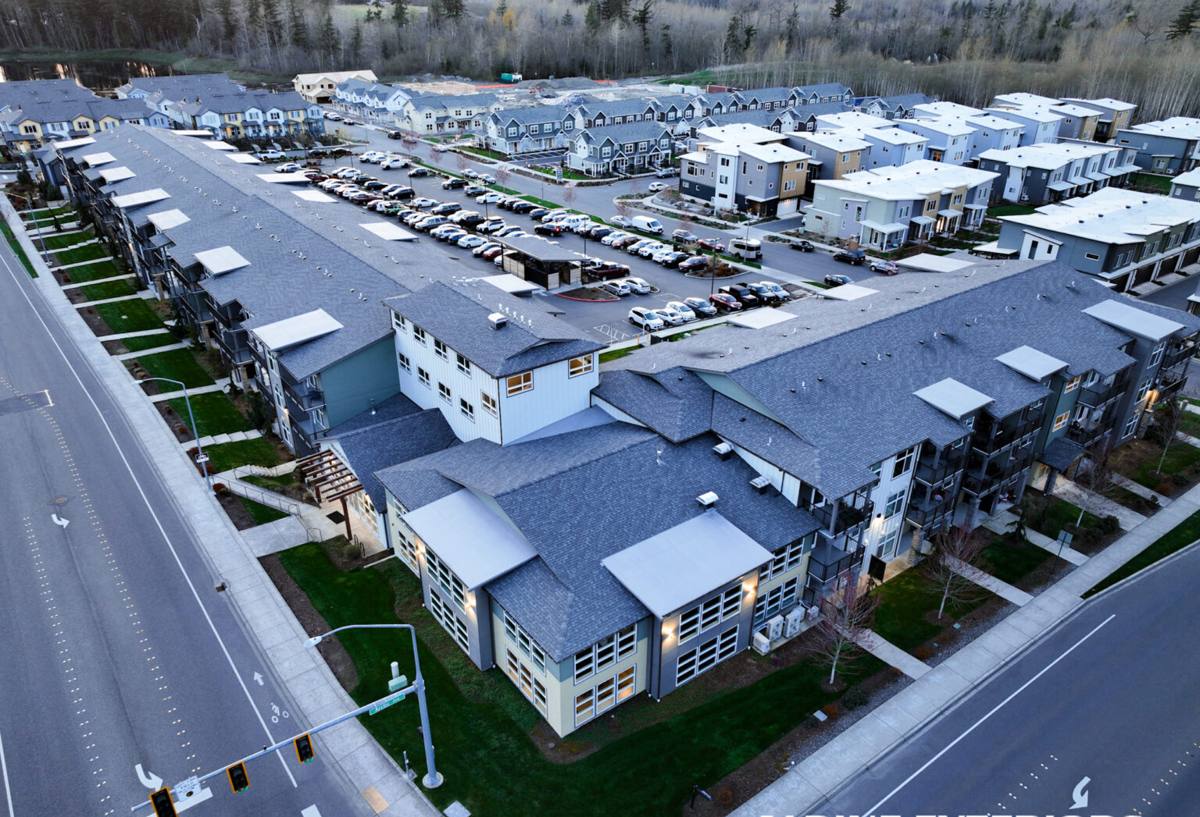
What Local Homes Actually Need From a Window Install
Moisture Management Comes First
The single biggest factor in whether a window lasts 10 years or 30 in this area is not the glass — it's what happens behind the trim. Correct flashing, a properly lapped weather-resistive barrier, and sealant placed where water actually needs to be stopped (not just everywhere it looks tidy) are what keep wind-driven rain from working its way into the wall cavity. Get this wrong and you won't see it for a year or two — then you'll see it as soft siding, a musty smell, or paint bubbling near a sill.
Materials That Tolerate Salt Air
Homes closer to the water deal with airborne salt that accelerates corrosion on hardware, fasteners, and some window frame finishes. It's not a reason to panic, but it is a reason to choose window hardware, screws, and flashing metals that are rated for it, and to avoid mixing metals that react against each other over time.
Drainage Planes That Actually Drain
With as much rain as this area sees, a window opening needs a real path for incidental water to get back out — not trapped behind housewrap where it will sit against wood framing. This is a detail that's invisible once the trim goes back on, which is exactly why it's worth asking your contractor to walk you through it before they close it up.
Signs a Stanwood Home's Windows Need Attention
- Sashes that stick, won't latch fully, or have gotten noticeably harder to open and close
- Visible fog or moisture between panes of double-pane glass — a sign the seal has failed
- Soft or discolored trim and sill wood, especially on south and west-facing walls that take the brunt of driving rain
- Drafts you can feel near the frame even with the window shut and locked
- Moss or dark streaking building up on the sill or the siding just below the window
- Noticeably higher heating bills without any other explanation
- Condensation forming on the inside of the glass regularly in cooler months
Any one of these on its own might just mean the window needs adjustment or resealing. Several together, especially on an older window, usually means it's time to talk about replacement rather than another patch job.
Our Installation Process
1. On-Site Assessment
We look at the existing window, the condition of the framing and sheathing around it, and how that particular wall faces the weather. A window on a sheltered north wall doesn't need the same level of moisture protection as one taking direct rain off the Sound.
2. Removal Without Guesswork
Old windows come out carefully so we can actually see the condition of the framing underneath before anything new goes in. If there's rot or water damage hiding behind the old trim — which happens more than homeowners expect on older Skagit County homes — we deal with it before the new window goes in, not after.
3. Correct Flashing and Sealing
This is the step that determines whether the install lasts. We flash and seal to shed water down and out, never trapping it against the framing, and we use materials suited to this climate rather than a one-size-fits-all approach.
4. Set, Shim, and Fasten Properly
A window that's out of square or improperly shimmed will bind, leak, or both, regardless of how good the window itself is. We set it plumb, level, and square, and fasten according to the manufacturer's specification so the warranty stays intact.
5. Trim, Seal, and Final Check
Interior and exterior trim goes back on, sealant is applied at the joints that need it, and we operate the window through its full range before we call the job done.
Comparing Window Materials for This Climate
| Frame Material | Moisture Tolerance | Maintenance | Notes for Stanwood-Area Homes |
|---|---|---|---|
| Vinyl | Good — won't rot, handles rain well | Low | Solid all-around choice for coastal-influenced weather; budget-friendly |
| Fiberglass | Very good — dimensionally stable in wet/dry swings | Low | Handles temperature and moisture swings well; higher upfront cost |
| Wood-clad | Depends heavily on cladding and joint sealing | Moderate to high | Attractive but more sensitive to installation quality in a wet climate — we're honest with clients about this trade-off before they commit |
| Aluminum | Prone to condensation and corrosion near salt air | Moderate | We generally steer clients away from bare aluminum this close to the Sound due to thermal and corrosion behavior, not because it can't be made to work, but because it takes more upkeep than most homeowners want |
There's no single "right" answer for every home — it depends on your budget, your home's style, and how much upkeep you want to take on. We'll walk through the honest trade-offs for your specific house rather than pushing one product line.
What a Window Installation Typically Involves, Cost-Wise
Pricing depends on window size, frame material, how many openings you're doing at once, and whether we're doing a straightforward replacement into an existing opening versus dealing with framing repair or a size change. A single standard replacement window is generally a different budget conversation than a whole-house project, and homes with water damage behind old trim will cost more once that's factored in. Rather than quote a number that won't fit your actual house, we'd rather walk the property and give you a real figure.
Factors That Move the Price
- Number of windows and whether they're all the same size/style
- Frame material chosen (vinyl, fiberglass, wood-clad)
- Condition of the existing framing — hidden rot adds cost but shouldn't be skipped
- Full-frame replacement versus insert replacement
- Trim and interior finish work needed to match existing woodwork
- Access — second-story or hard-to-reach openings take more time
Why a Local Crew Matters for This Job
Window installation looks similar on paper wherever you go, but the details that actually matter — how much rain exposure a given wall orientation gets, how moss and organic buildup behave on this area's siding and trim, how salt air affects hardware choices over a 15-year span — come from working houses in this specific area repeatedly, not from a general contractor doing one job here and moving to a different climate zone next month.
We're based in Burlington and work throughout Skagit County, including Stanwood and the surrounding communities. That means when we're back in the area for another project, we're a real phone call away if something needs a look — not a company that did one job and disappeared.
What to Ask Any Contractor Before You Hire Them
- How do you flash and seal a window opening in a high-rain climate like this one?
- Do you check for hidden water damage behind old trim before installing, and what happens if you find it?
- Are your installers factory-trained or certified on the window brand you're proposing?
- What's covered under warranty — the window itself, and separately, your installation labor?
- Can you give references or examples of similar work in this specific area?
A contractor who answers these clearly and specifically, rather than with a generic sales pitch, is usually the one who'll still be reachable if you have a question two years down the line.
Get an Honest Look at Your Windows
If your Stanwood-area home has windows that are sticking, fogging, drafting, or just past their prime, we're happy to come take a look and tell you straight whether it's a repair, a partial replacement, or a full project — no pressure either way. Fill out the form below for a free estimate from a crew that already knows this part of Skagit County.